
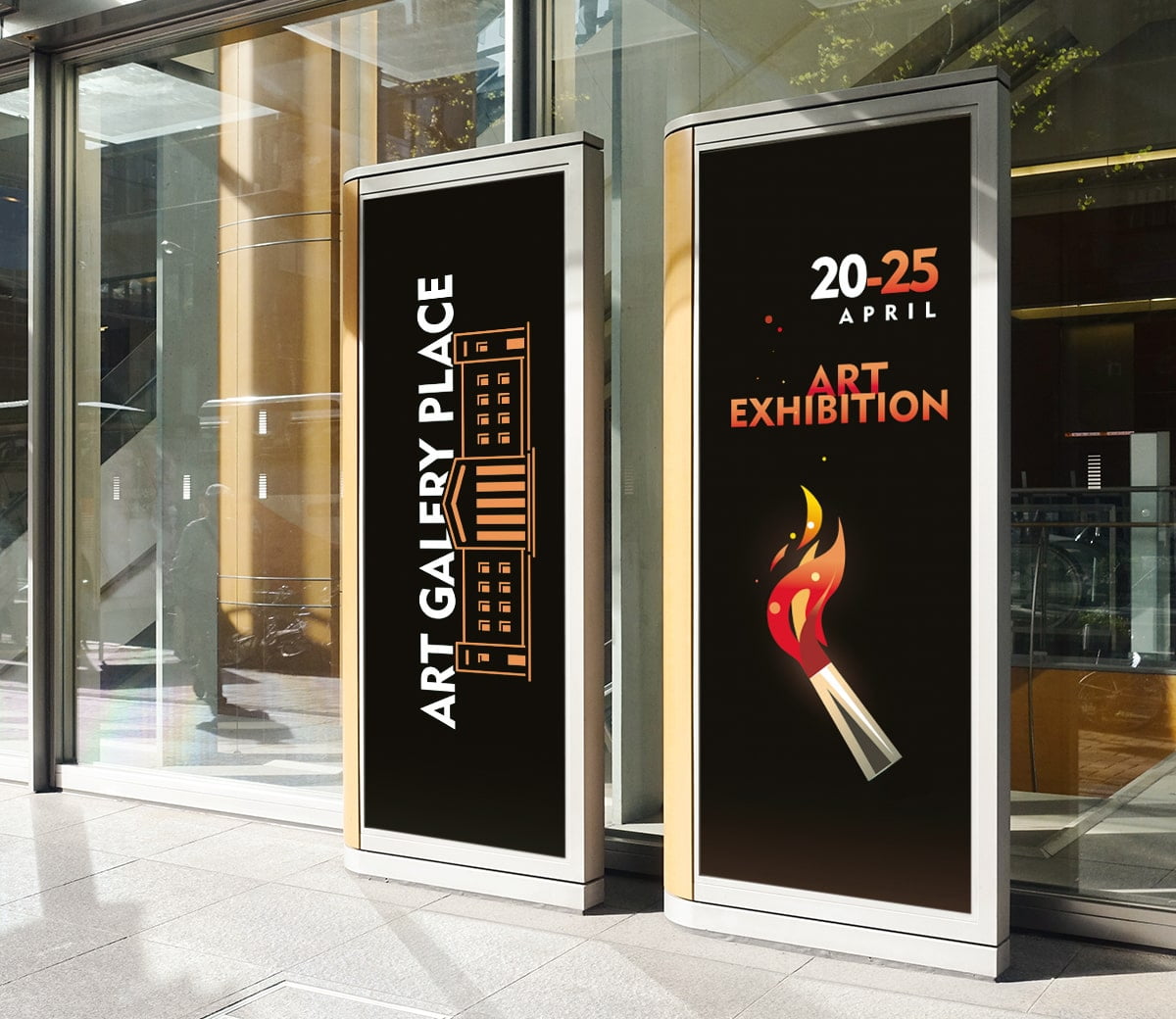
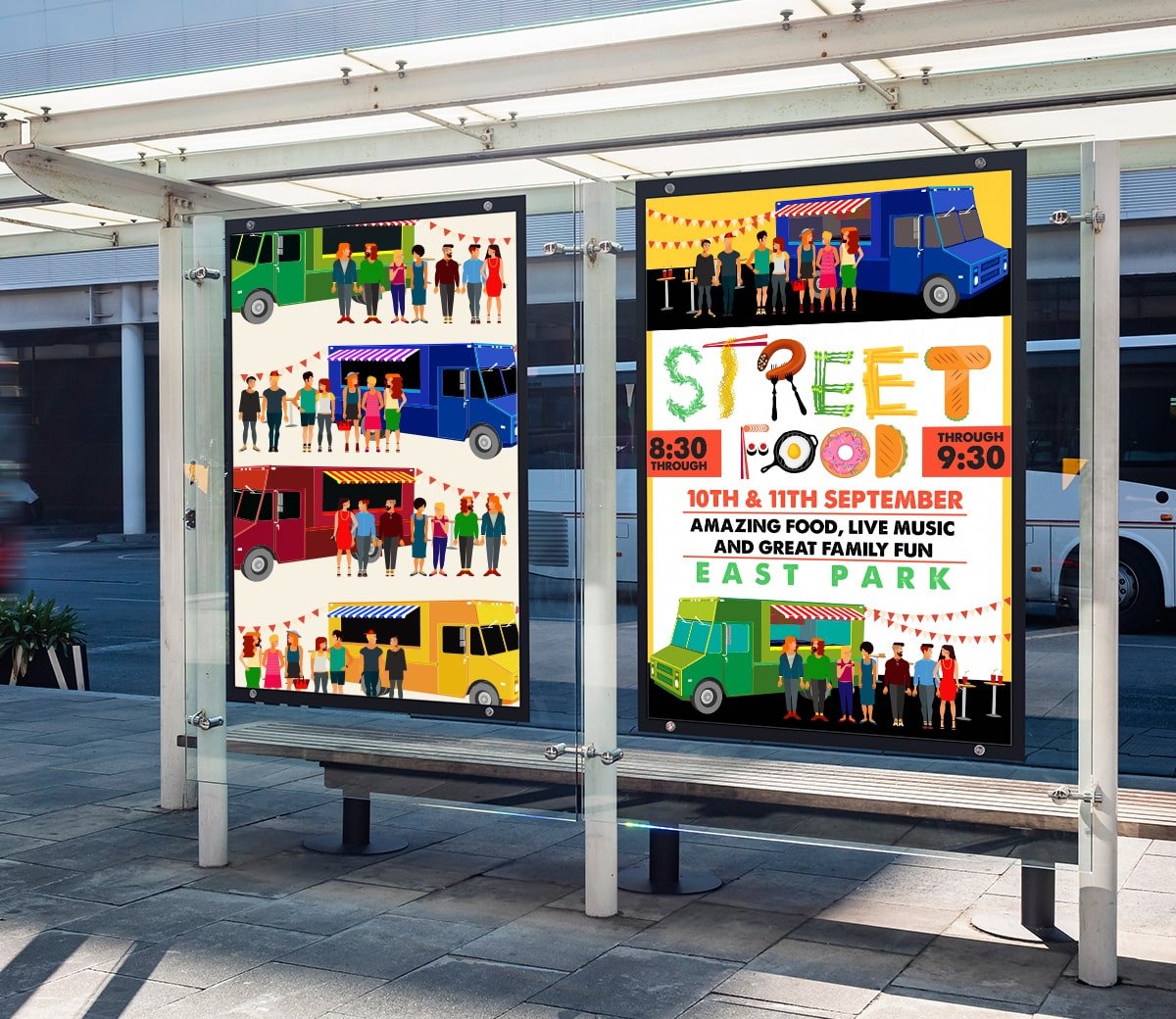

Whiteback papers
Whiteback papers are coated 130 g/m² poster papers for indoor advertising, information displays and framed graphics. The satin finish supports sharp print detail and good colour reproduction, making the material suitable for aluminium frames, snap rails, display cases and poster systems. Choose it when you need a clean, readable paper print for hotels, shops, offices, exhibitions or customer-facing service points.
| Intended use | poster with snap rails, posters in frames |
|---|---|
| Grammage | 130 g/m² |
| Printing technology | UV, Solvent |
| Print resolution | 1440 dpi |
| Maximum material width | 1,37 m |
| Properties | satin finish |




Whiteback papers are designed for printed posters and indoor display graphics where clear communication, neat presentation and simple installation matter. The 130 g/m² coated paper has a satin finish that absorbs ink well during printing, supporting detailed graphics, readable text and consistent colour reproduction. It is a practical choice for short- and medium-term visual communication in commercial and public spaces.
What makes Whiteback papers useful for poster printing?
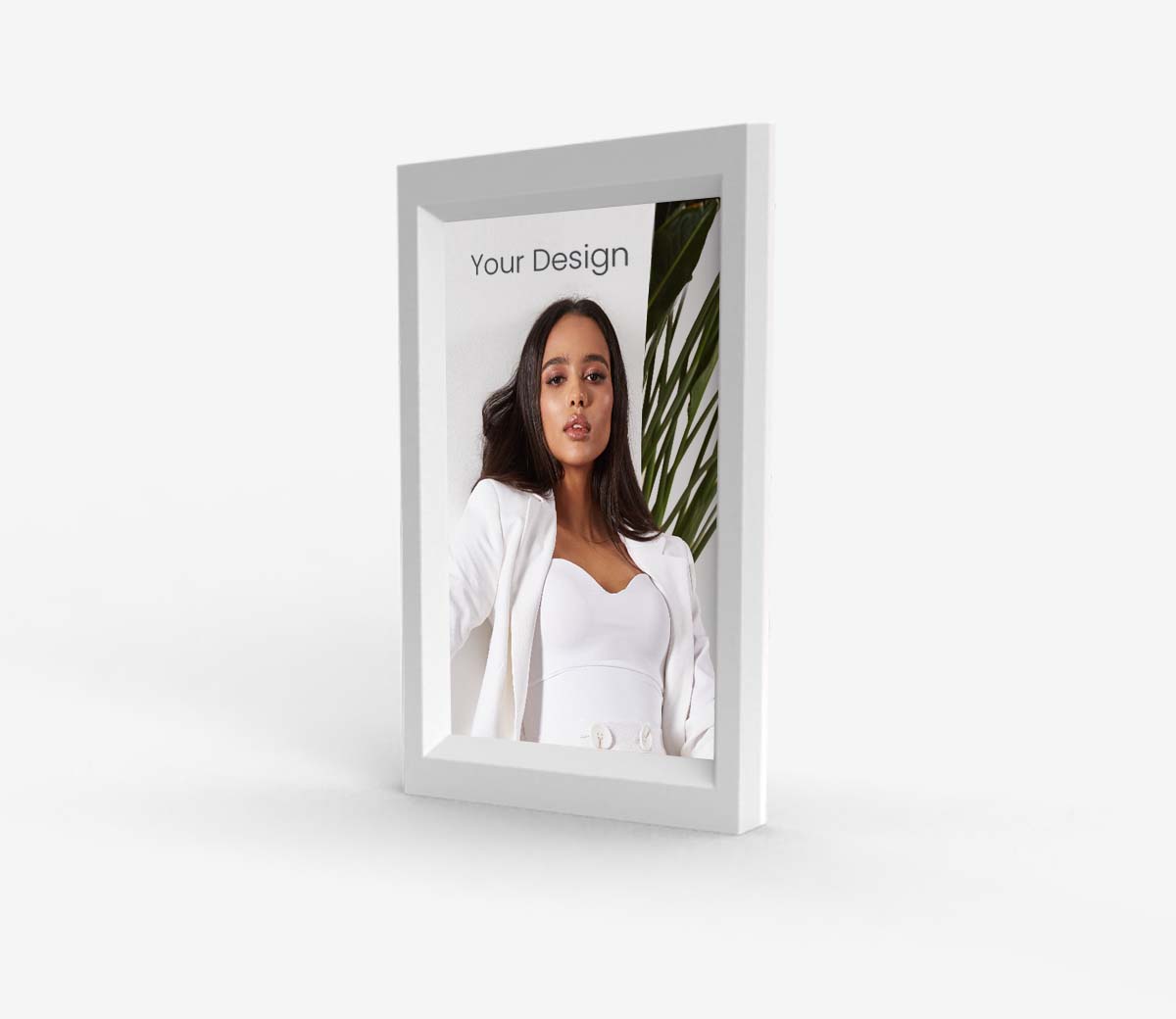
The material combines a smooth, coated surface with a paper structure suitable for everyday display applications. It works well where the print is protected by a frame, placed in a display case or mounted with snap rails. The satin surface reduces excessive shine compared with high-gloss materials, which helps maintain readability in interiors with mixed lighting.
- 130 g/m² coated paper for indoor poster production,
- satin finish for detailed print and balanced visual appearance,
- printing available in UV and Solvent technologies,
- print resolution up to 1440 dpi,
- maximum material width up to 1.37 m,
- suitable for posters in frames and posters with snap rails.
Where can Whiteback papers be used?
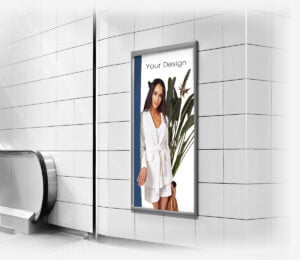
Whiteback papers are commonly used for posters in aluminium frames, suspended systems, display cases and anti-frames. They are suitable for information graphics in museums, hotels, restaurants, offices, medical centres, shops and showrooms. They also work well for presenting offers, schedules, menus, event information and promotional messages at trade fairs or conferences.
How to choose this material?
Choose Whiteback papers when the poster will be displayed indoors and the priority is clean print quality, easy replacement and a professional framed presentation. For applications exposed to moisture, outdoor conditions or intensive handling, another material may be more appropriate. For standard interior poster systems, however, Whiteback papers offer a balanced combination of print quality, material weight and mounting convenience.
Whiteback papers are often selected for projects in which printed information has to be changed regularly without replacing the entire display system. This applies to retail campaigns, hotel and restaurant communication, office signage, exhibition boards, showroom offers and event posters. The material is particularly useful when the print is placed inside an aluminium frame or held by snap rails, because these systems protect the sheet and make replacement straightforward.
Practical selection guidelines
Before ordering, check how the poster will be displayed. If it will be mounted in a frame, confirm the visible format and any part of the print that may be covered by the frame profile. For snap rails, allow enough free space at the top and bottom so that important text or logos are not hidden by the rail. For display cases and anti-frames, the final trim size should match the system specification.
- Use Whiteback papers for indoor posters, information boards and promotional prints.
- Choose framed or rail-mounted installation when the graphic needs to be replaced regularly.
- Keep key messages away from trim edges and frame-covered areas.
- Prepare files with clear contrast, especially for small text and detailed layouts.
- Match the print format to the maximum available material width of 1.37 m.
File preparation and production notes
For the best result, prepare artwork at the final size whenever possible and include bleed if the poster will be trimmed to format. Text, QR codes, icons and pricing information should be supplied in high resolution or as vector elements. Because Whiteback papers are often used in service points, shops and trade fair environments, readability from the expected viewing distance is more important than adding many small details.
The material can be printed using UV or Solvent technology, which allows production of sharp, full-colour posters for business interiors. The satin surface is suitable for photographs, maps, menus, promotional layouts and informational graphics. In some contexts, customers may also refer to this type of product as indoor poster paper, coated poster paper or paper poster for frames, but the reference product name remains Whiteback papers.
Typical mistakes to avoid
The most common issue is preparing the file without considering the mounting system. Important information placed too close to the edge may be covered by the frame or rail. Another mistake is choosing paper for conditions that require higher resistance to handling, moisture or outdoor exposure. Whiteback papers are intended mainly for indoor applications, so the installation environment should be checked before production.
Best-fit applications
Whiteback papers work especially well in hotels, restaurants, cafés, offices, medical centres, shopping malls, showrooms and information points. They are also suitable for trade fairs and temporary event communication where the print needs to look professional but remain easy to replace. When the display system is stable and the poster is used indoors, this material provides a practical balance between print quality and everyday usability.