
Stadur
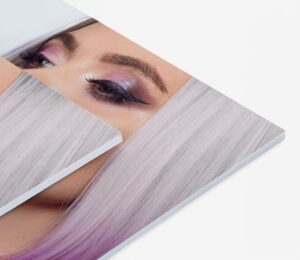
Stadur is a rigid 3-layer board for printed signs, exhibition structures, spatial elements and indoor or outdoor advertising displays. It combines 1 mm foamed PVC outer layers with a hard XPS core, giving the material high rigidity at a relatively low weight. Choose Stadur when you need a stable, printable board that can be UV printed, cut, milled or drilled for the planned installation.
| Thickness | 10 mm |
|---|---|
| Weight | 2 kg |
| Board format | 2,03 x 3,05 m |
| Printing technology | UV |
| Properties | grey reverse, high rigidity |
| Important information | The price is the average price per material, please contact our sales department for a quote |

Average price: €25,00 /m2


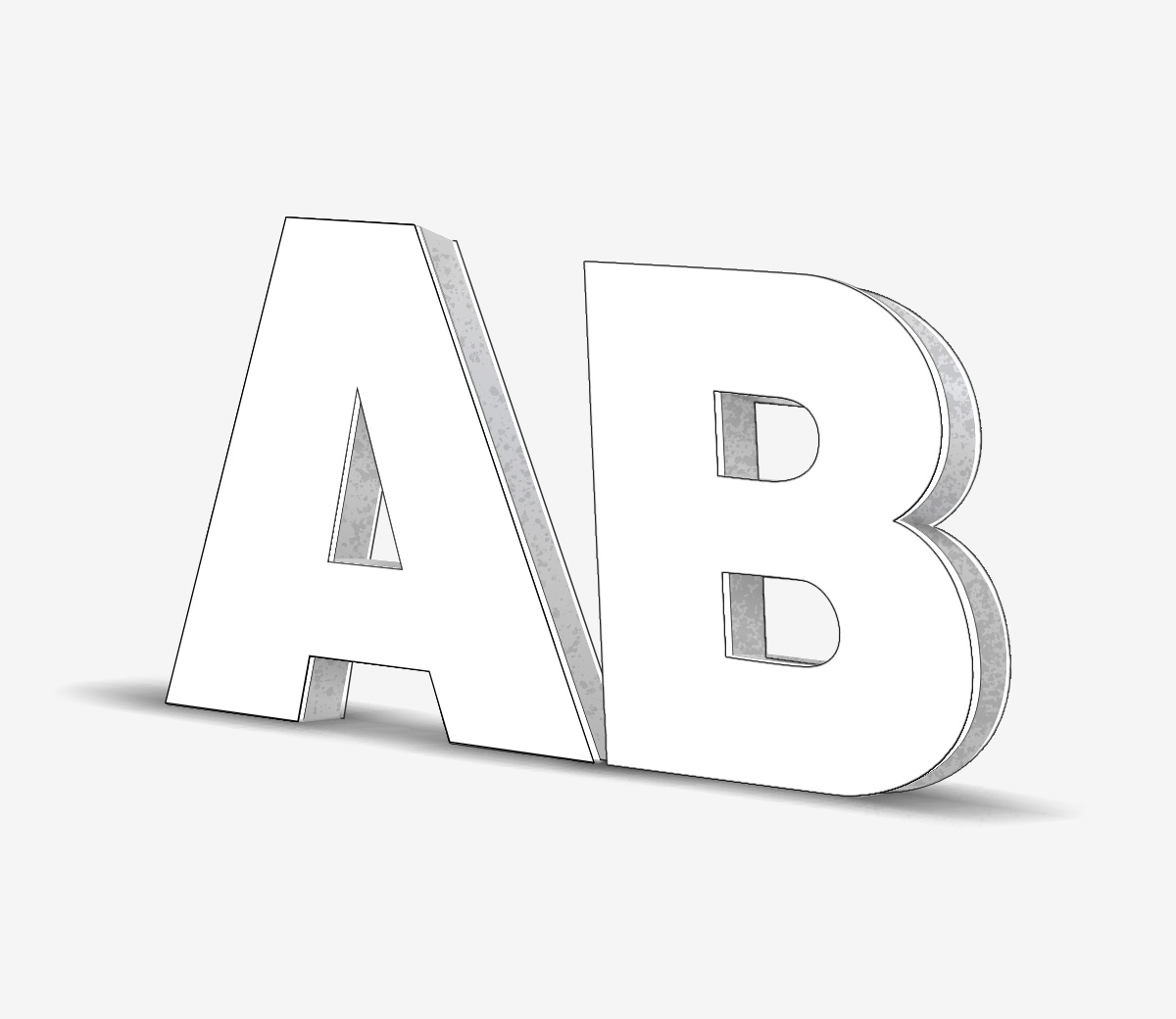
Stadur is a white matt board with a 3-layer structure designed for rigid advertising, exhibition, decorative and construction applications. The outer layers are made of foamed PVC, each 1 mm thick, while the core is made of hard XPS, or extruded polystyrene foam. This construction helps achieve high rigidity while keeping the board lighter than many solid boards of similar thickness.
What makes Stadur a practical choice?
The material is used where a printed board must remain stable, easy to process and suitable for larger formats. Stadur boards in our range are available in 10 mm thickness and in a 2.03 x 3.05 m board format. The surface is matt, which gives the printed result a non-gloss finish unless an additional glossy laminate is selected.
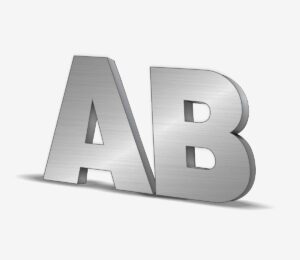
- High rigidity supports use in signs, spatial letters, logotypes, displays and exhibition elements.
- Lower weight makes handling, transport and installation easier compared with many boards of the same thickness.
- The material can be milled, cut to shape and drilled, which helps adapt it to the installation method.
- UV printing allows direct personalisation on one or both sides of the board.
- A self-adhesive foil can also be applied to the surface when the project requires this type of finish.
Where is Stadur used?
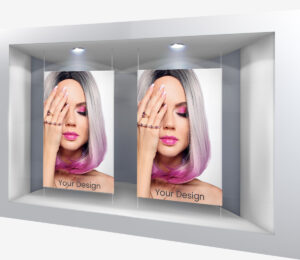
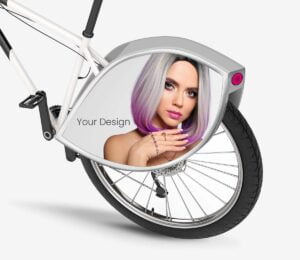
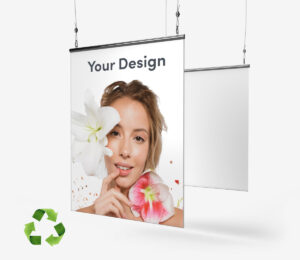
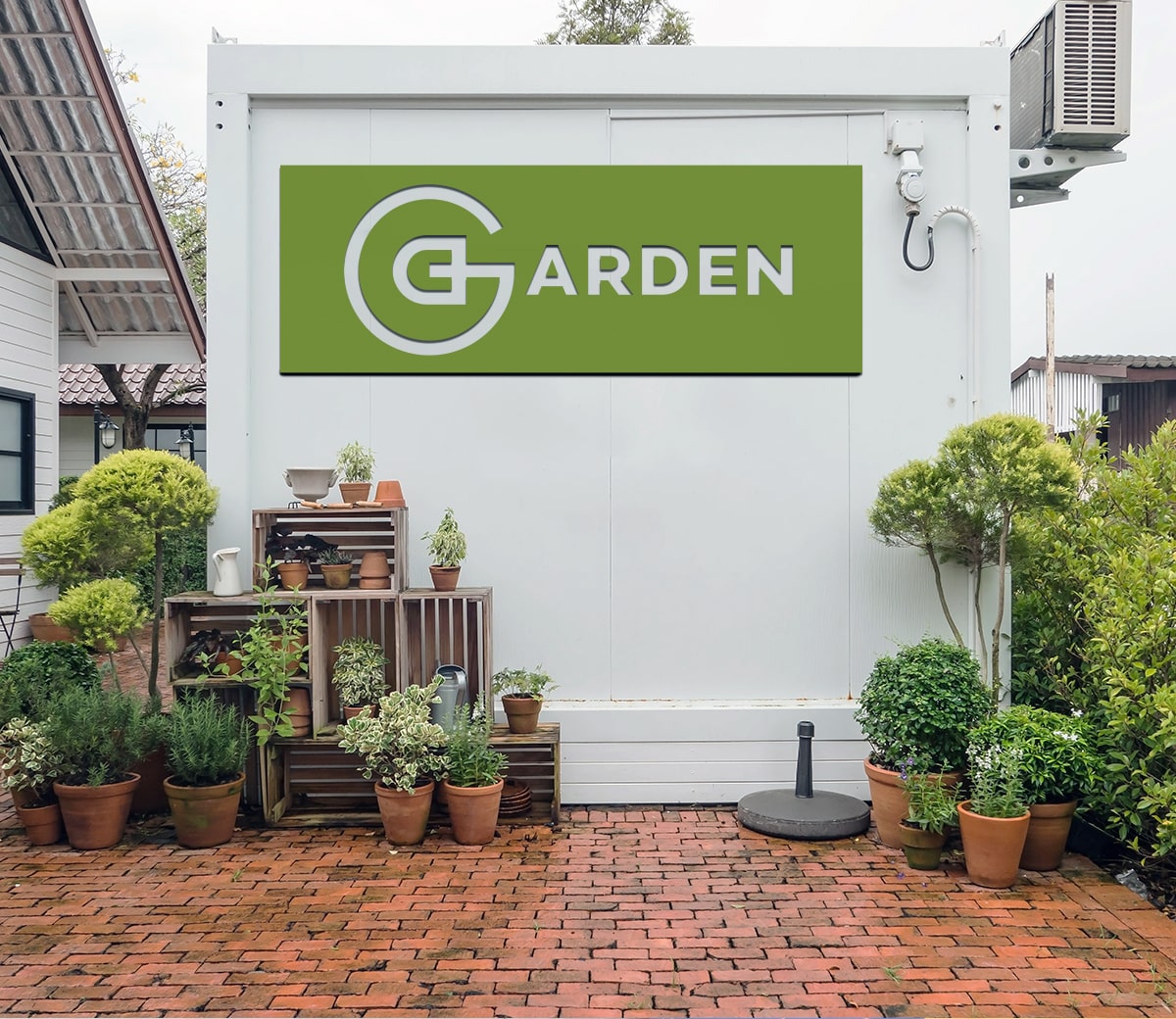
Stadur is suitable for both indoor and outdoor use, including environments where the board may be exposed to humidity, sunlight and temperature changes. It is commonly chosen for trade fair stands, exhibitions, partition walls, shop fittings, decorative installations and 3D scenography. It can also be used in door and gate fillings, semi-trailer and container structures, as well as standing, suspended or mesh-mounted advertising panels.
How to choose Stadur for your project
When selecting Stadur, consider the display location, expected handling, installation method and whether the board will be visible from one or both sides. If holes, contour cutting or special mounting are required, it is worth defining them before preparing the print file. The board is specified with a grey reverse side and high rigidity, so the layout, finish and mounting should be planned together.
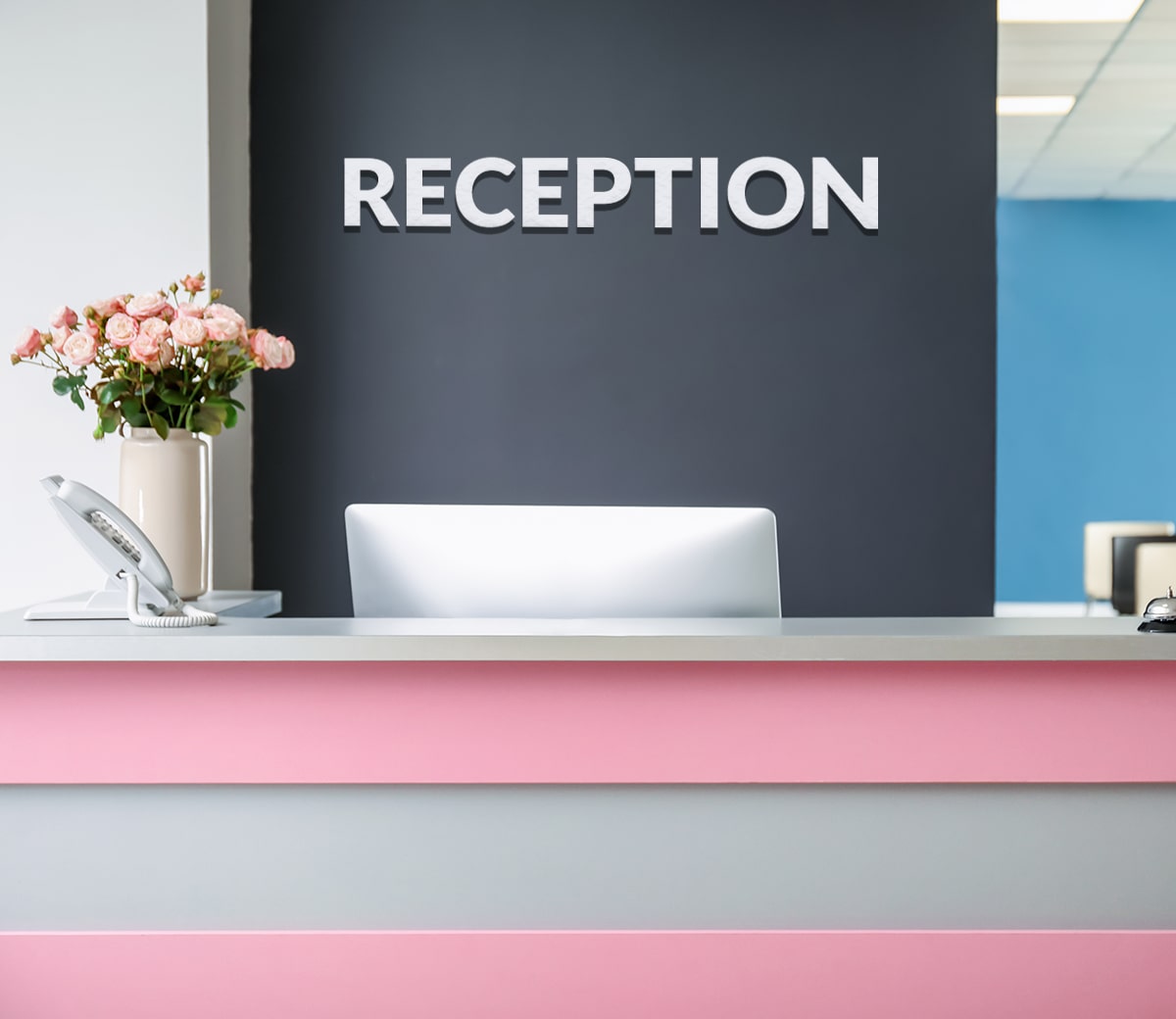
Stadur works well in projects where the board must combine a rigid form with convenient processing and a clean printed surface. In practice, it is often selected for POS displays, event structures, exhibition walls, retail interiors and advertising elements that need to be visually clear but not unnecessarily heavy. Customers may also describe this type of product as a lightweight composite board, rigid display panel or sandwich board, but the reference product name remains Stadur.
Design and production guidelines
Good file preparation has a direct impact on the final result, especially when the board is to be cut, drilled or mounted in a visible location. Before preparing artwork, check the technical specification and plan the final use of the board, not only the printed area.
- Keep the key content inside the safe area. For Stadur, a 5 cm safe area around the format should be taken into account.
- Plan the mounting method before placing important text, logos or visual elements close to the edge.
- If the board will be drilled, mark the required holes and make sure they do not interfere with the design.
- For individual shapes, allow sufficient space for finishing and cutting so that important elements are not lost.
- If the board will be viewed from both sides, consider double-sided UV printing and prepare the front and reverse graphics accordingly.
Finishing and appearance
The Stadur board has a matt surface, so the standard printed finish is also matt. This is useful for signs, exhibition graphics and interiors where reflections should be limited. If the project requires a glossier look or additional surface protection, a glossy laminate can be selected. Lamination can help protect the printed surface during handling and everyday use, especially in applications where the board may be touched, transported or installed repeatedly.
Typical applications
Stadur is suitable for a wide range of B2B projects. It is used for building trade fair stands and exhibition systems, creating spatial letters and logos, preparing shop decorations and fittings, filling doors and gates, and producing lightweight structural or advertising elements. The combination of UV printing, milling, cutting and drilling gives broad flexibility for both standard rectangular boards and custom-shaped components.
What to confirm before ordering
Before requesting a quote, prepare the required dimensions, print side information, expected finish, installation details and any additional processing such as drilling or cutting to shape. The price shown for this material is an average material price, so final valuation should be confirmed with the sales department. This allows the production team to match the board, print and finishing scope to the intended use and avoid unnecessary corrections at the file preparation stage.