


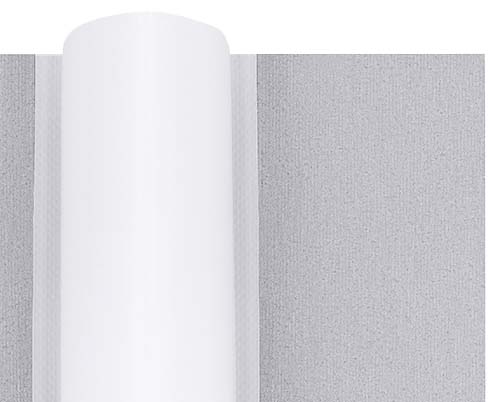
Airtex Greyback
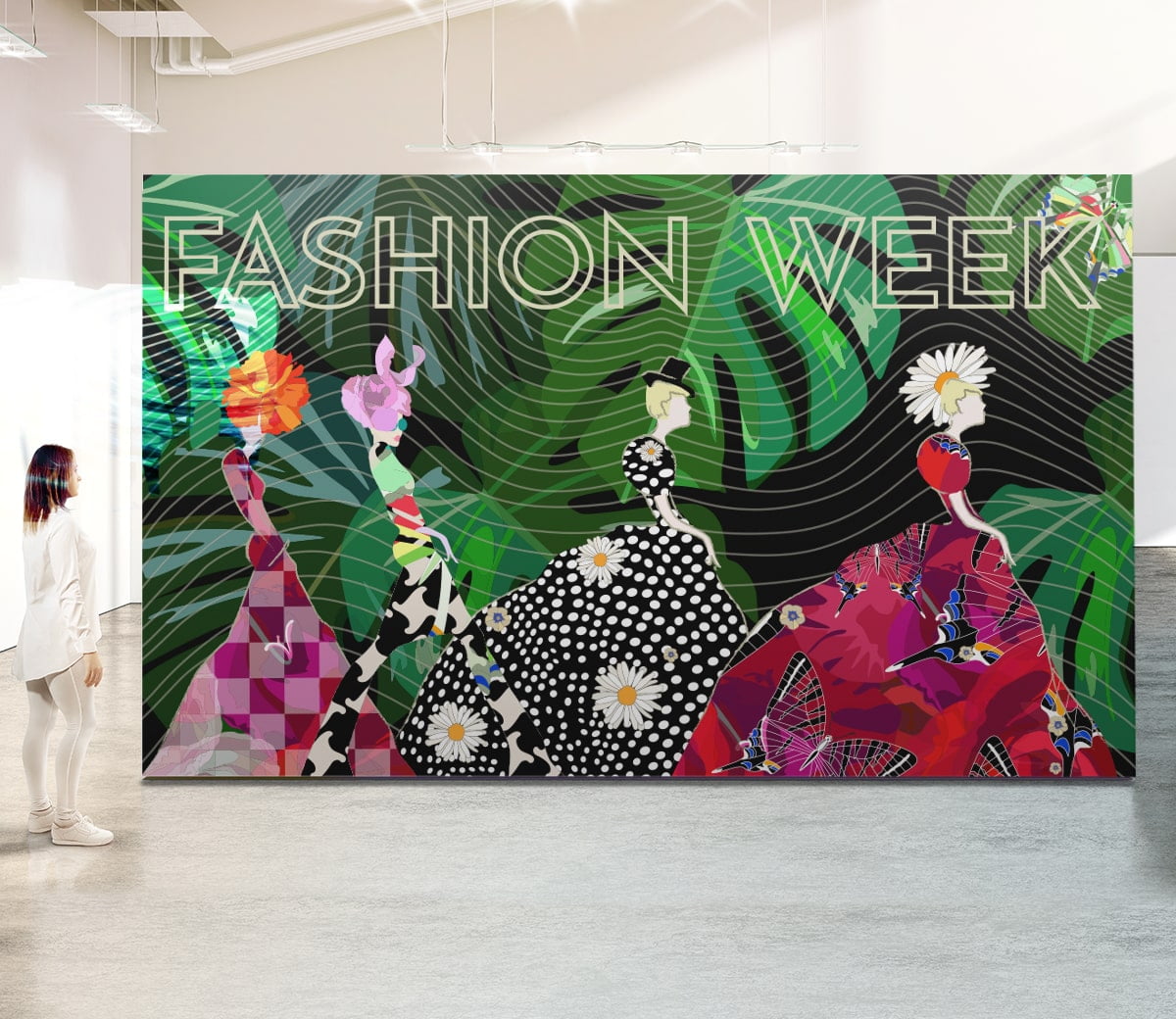
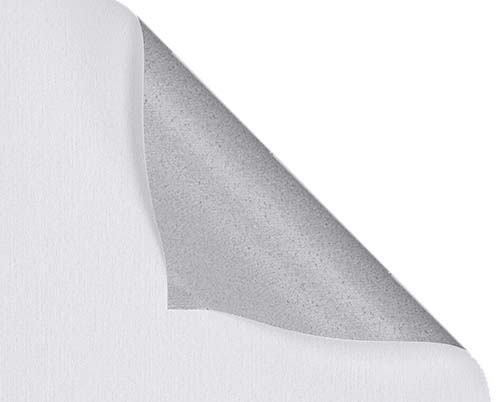
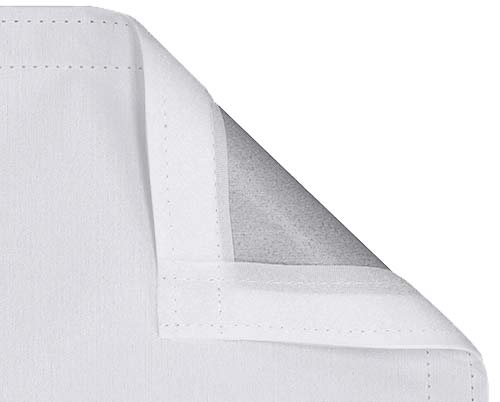
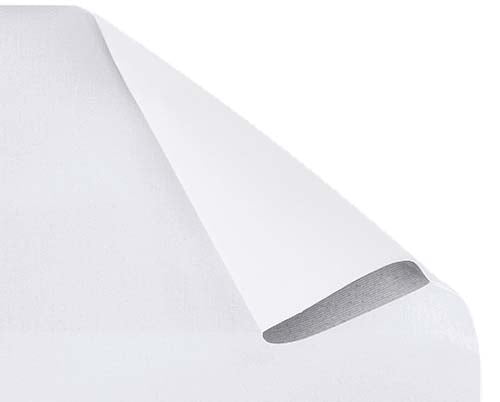
Airtex Greyback is a textile fabric banner for interior decoration, wall graphics, roll-up prints and advertising banners. The material combines a textile-like surface with a grey reverse that helps reduce show-through from the background, making it useful on prepared interiors as well as existing wall surfaces. With UV printing, 320 g/m² weight and B1 material certification, it suits commercial spaces, events and branded environments where appearance and safety requirements both matter.
| Intended use | Interior decoration (e.g. to replace wallpaper), printed fabric for roll-ups, advertising banners and wall flags |
|---|---|
| Grammage | 320 g/m² |
| Printing technology | UV |
| Print resolution | 1000 dpi |
| Available widths of materials | 2,50 m, 3,20 m, 5,00 m |
| Material attestation | B1 |
| Finish of material | cut to size |
| Properties | grey reverse, textile fabric |

Price from: €13,50 /m2



Available finishes
Cut to size
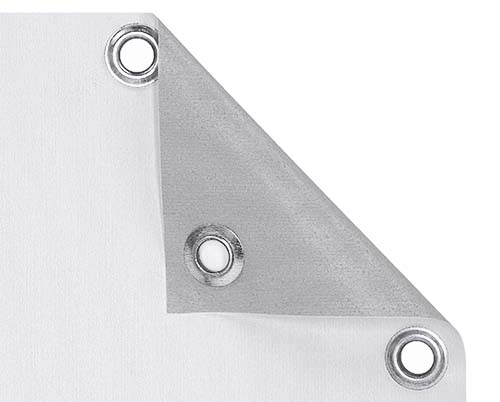
Cut to size + eyelets
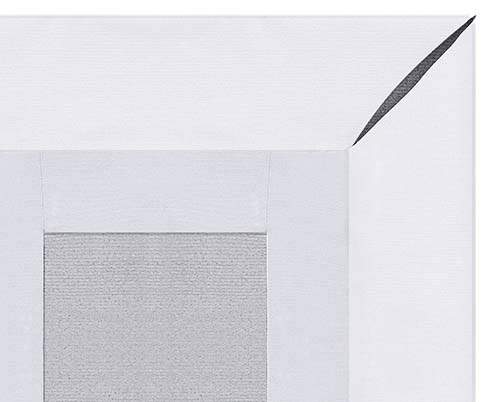
Velcro
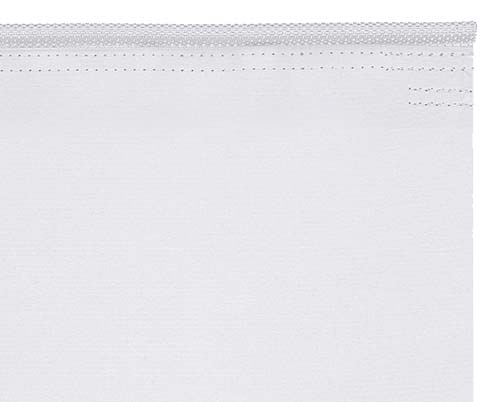
Tunnel
Tunnel around
Tunnel Omega
Keder  Custom
 Airtex Greyback is a lightweight polyester-based banner material with a PVC coating and a textile-like surface. It is designed for printed wall decoration, advertising banners, wall flags and roll-up graphics where a standard banner finish would look too technical or too glossy. The front side supports UV printing at 1000 dpi, helping produce clear branding, decorative patterns and communication graphics for commercial interiors.
What makes Airtex Greyback suitable for wall graphics?
The key feature of Airtex Greyback is its grey reverse. This backing helps limit the visibility of the existing surface underneath the print, which is important when the material is applied to walls or panels that are already in use. It can visually reduce the impact of minor background irregularities and supports a cleaner final result without changing the character of the printed textile surface.
The material has a slightly shiny printable face with a tactile fabric structure. This gives the print a more decorative, interior-oriented appearance than many standard PVC banners. It is often selected for spaces where the graphic should function not only as advertising, but also as part of the interior design.
Where can it be used?
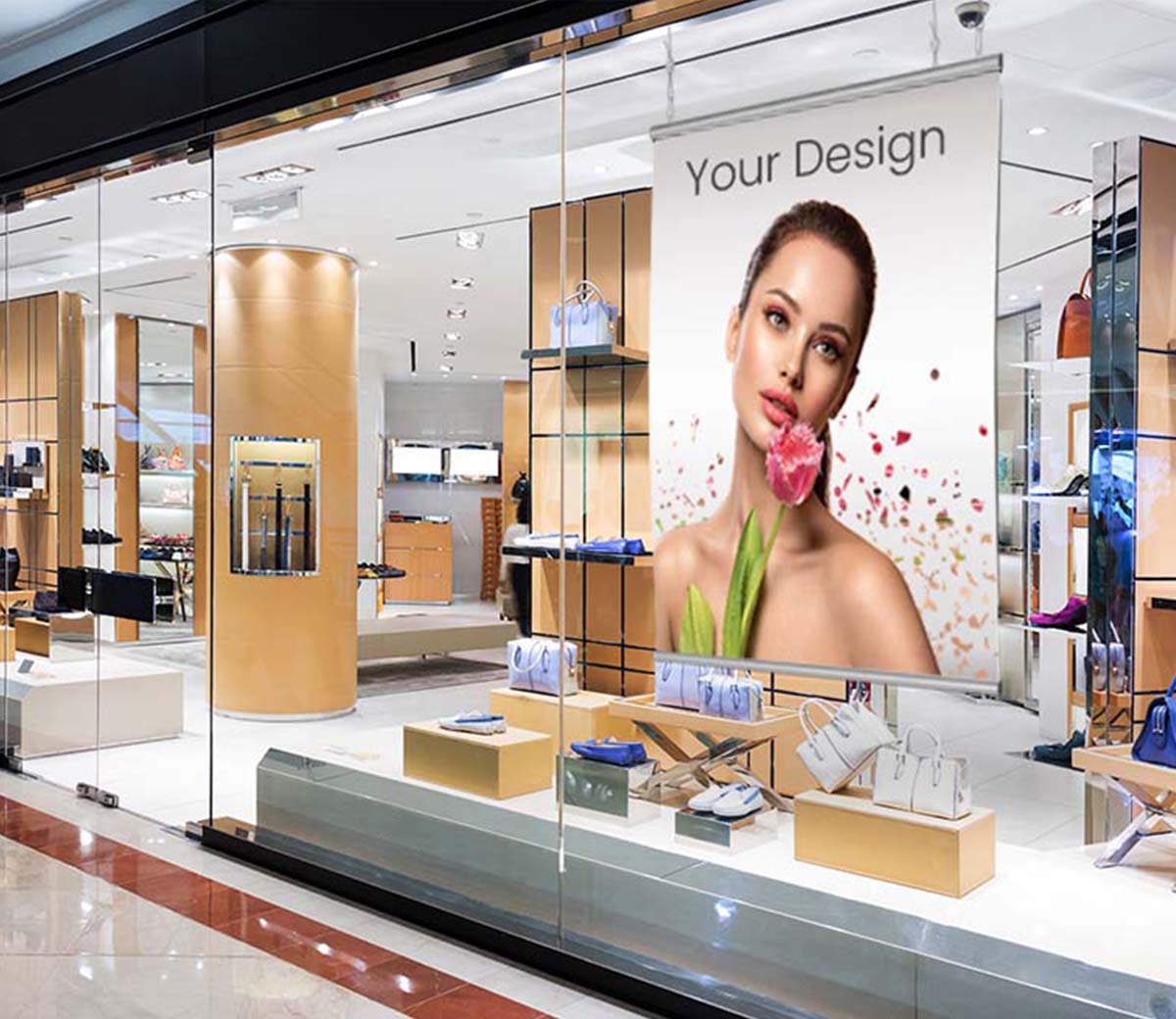
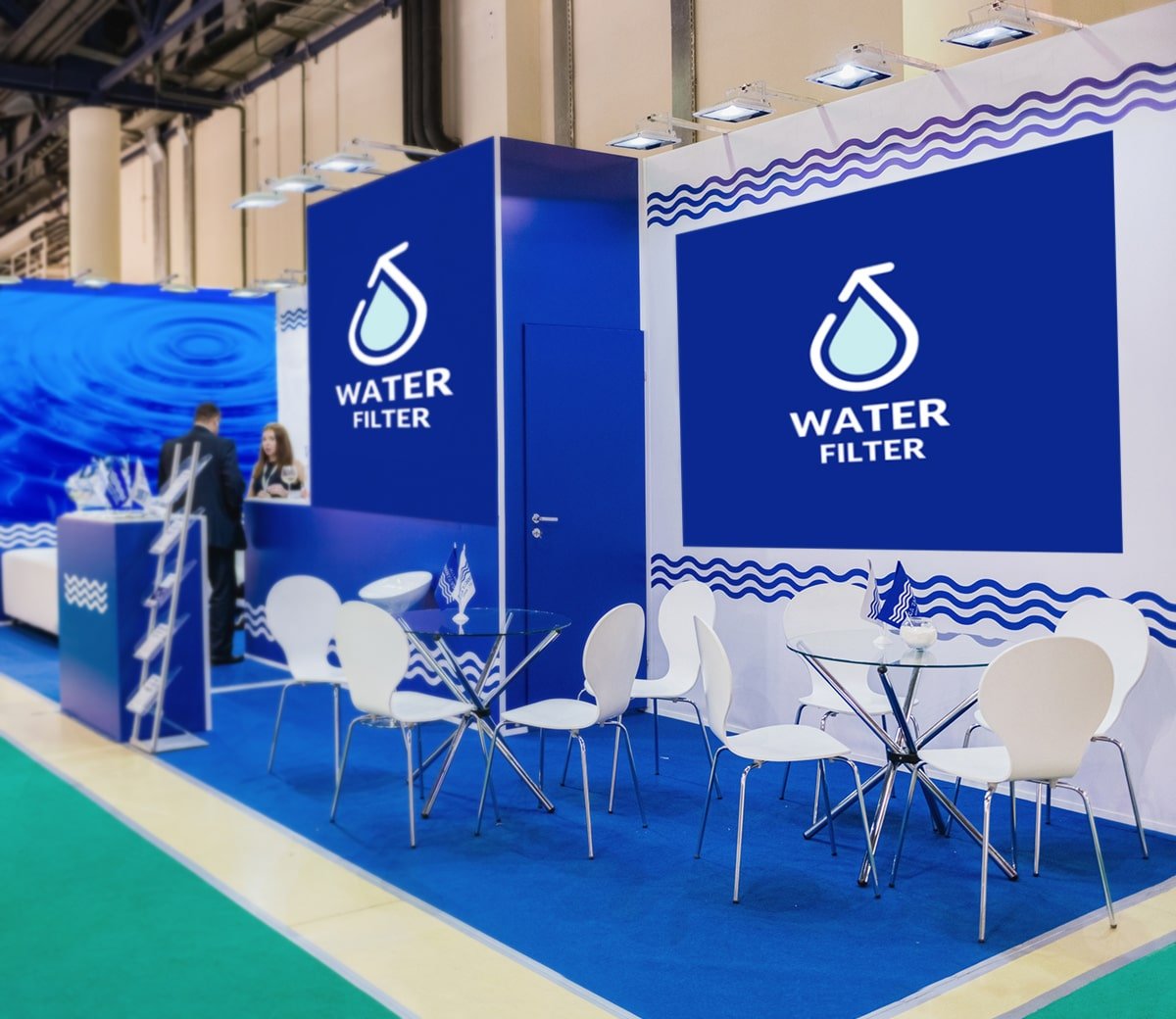
Airtex Greyback is suitable for interior decoration, including applications that replace or supplement wallpaper. It is used in shops, showrooms, hotels, offices, restaurants, cafés, medical centres, fitness and beauty spaces, shopping malls and information points. It also works well for trade fair stands, conference areas and temporary promotional walls.
Technical criteria for choosing the material
- Material weight: 320 g/m², providing a balance between handling and durable display use.
- Print technology: UV printing for sharp, durable graphics on the textile-like face.
- Available material widths: 2.50 m, 3.20 m and 5.00 m, useful for larger wall sections and wide-format layouts.
- Certification: B1 material certificate for projects where fire classification is required.
- Finish: cut to size, suitable for projects prepared to exact dimensions.
Airtex Greyback should be selected when the print needs to combine a decorative textile effect with practical coverage of the surface behind it. The grey reverse is especially useful on walls, exhibition panels or existing interior structures where a lighter or more translucent material could allow the background to influence the printed colours. This makes the product a strong option for retail communication, branded office walls, hotel interiors and temporary exhibition environments.
How to specify Airtex Greyback for a project
Start with the size and visibility of the installation. For small interior elements, the tactile fabric surface supports a premium visual effect at close viewing distance. For larger walls, choose the material width that reduces unnecessary joins and supports efficient production. Available widths of 2.50 m, 3.20 m and 5.00 m make Airtex Greyback suitable for both compact branding panels and wide-format wall graphics.
The listed finish is cut to size, so the artwork and production dimensions should be prepared precisely. If the graphic is part of a larger installation, check whether additional fixing, framing or mounting elements are required in the final system. The printed material should be matched to the installation method, wall condition and expected duration of use.
File preparation and print considerations
- Prepare the file at the final scale or according to the agreed production scale.
- Keep important text, logos and QR codes away from trimming edges.
- Use sufficient resolution for the intended viewing distance, especially for wall graphics seen close up.
- Check colour contrast, as interior lighting can affect how dark and light areas are perceived.
- For multi-panel layouts, plan graphic continuity across joins before production.
Typical use cases
Airtex Greyback is often used for printed fabric for roll-ups, advertising banners, wall flags and decorative wall coverings. In everyday market terminology, customers may also refer to it as a textile banner, fabric wall banner, printed wall fabric or greyback wall graphic. These names describe similar use cases, but the reference material for this product remains Airtex Greyback.
It is a practical choice for trade fairs and commercial interiors where the surface should look more refined than a conventional banner. The textile structure supports branding that blends into the space instead of looking like a temporary sign. Because the material is waterproof and resistant to UV radiation, it can also be used in selected outdoor applications, provided the mounting method and exposure conditions are suitable for the project.
Common mistakes to avoid
A frequent mistake is choosing the material only by price or thickness, without considering the background surface. If the existing wall or panel may affect the appearance of the print, the grey reverse becomes an important decision factor. Another issue is preparing artwork without safe margins or with critical content close to the edge. For wall installations, also verify measurements on site, as even small dimensional differences can be visible after mounting.