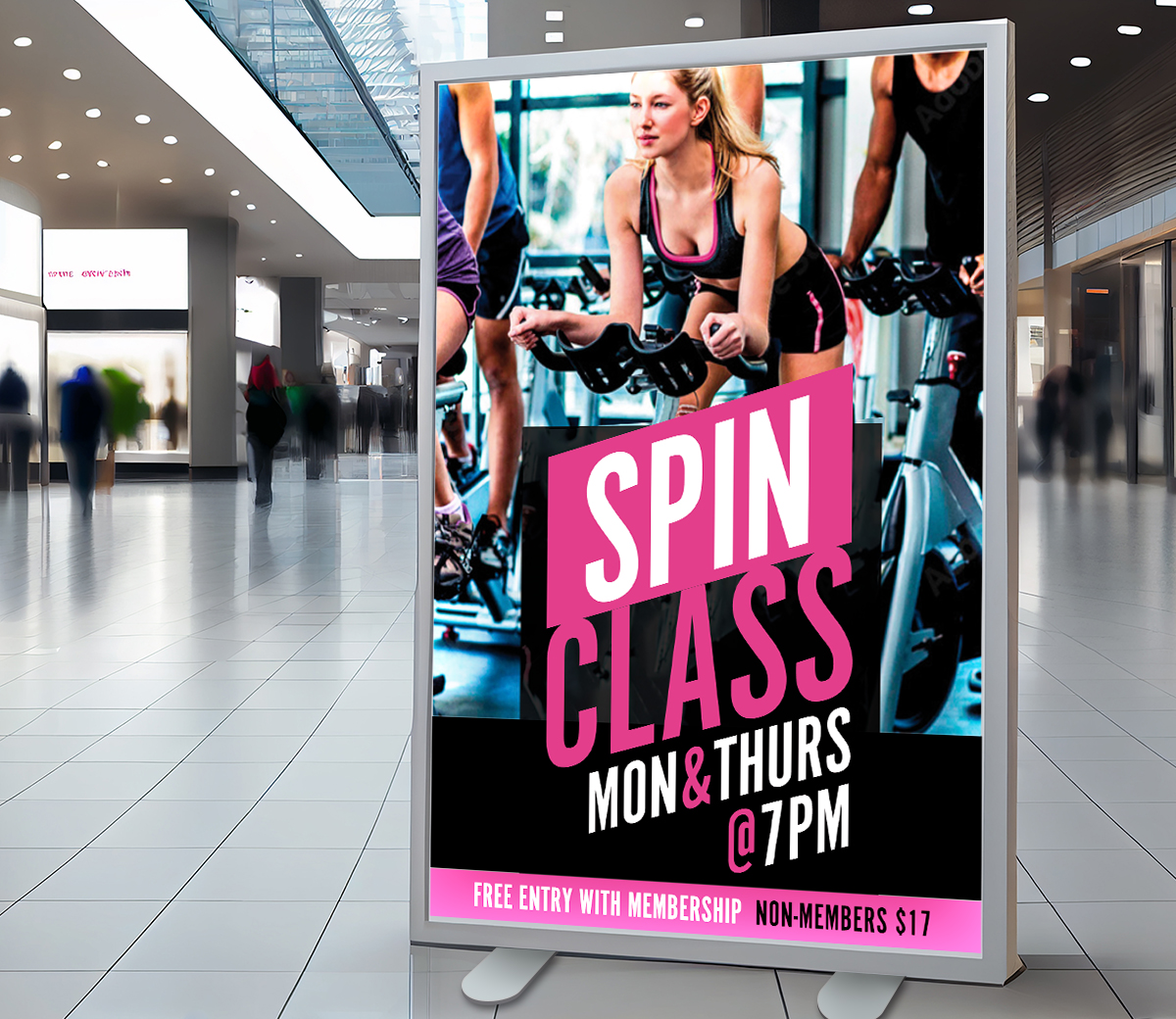


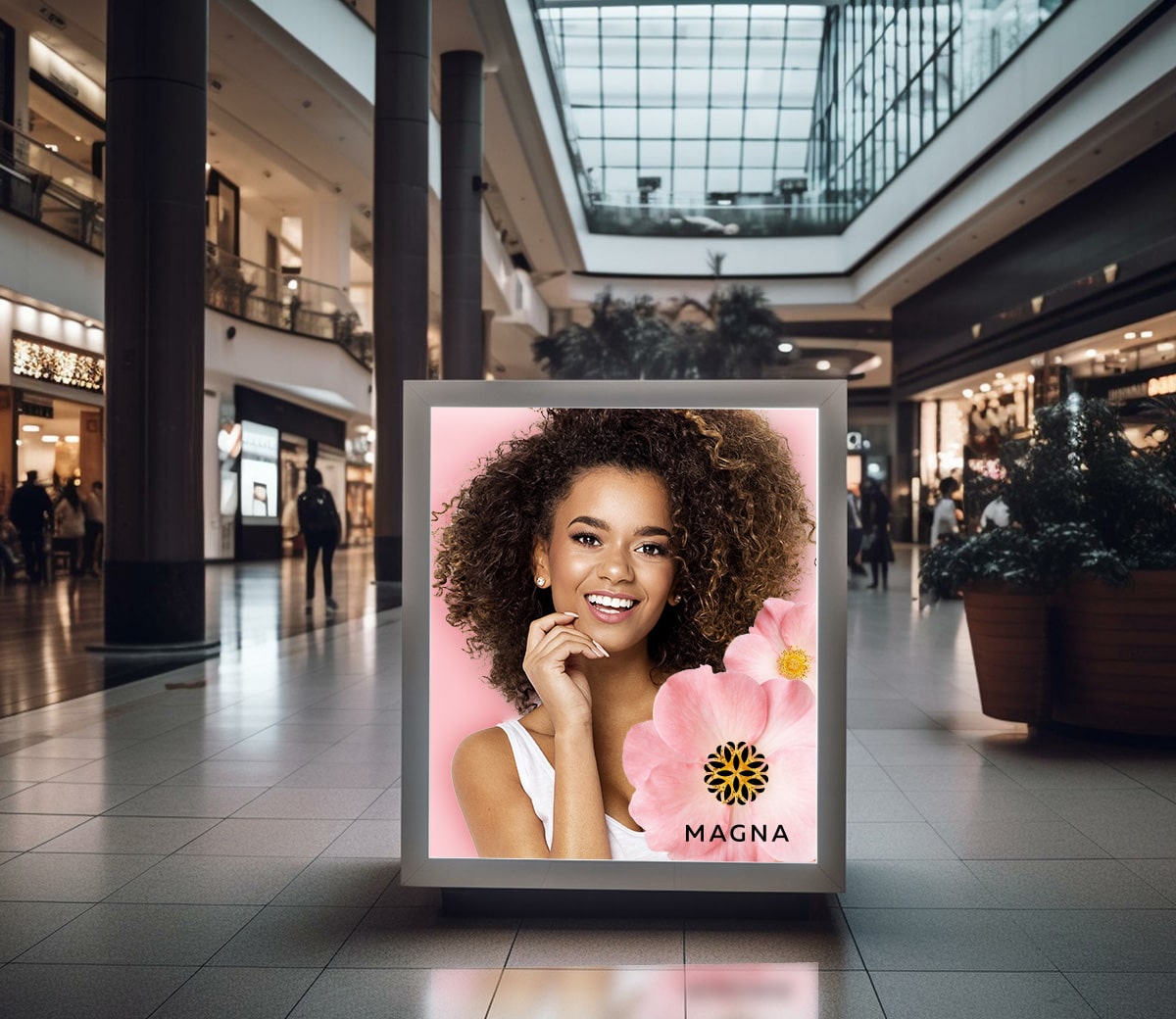
Fabric lightbox
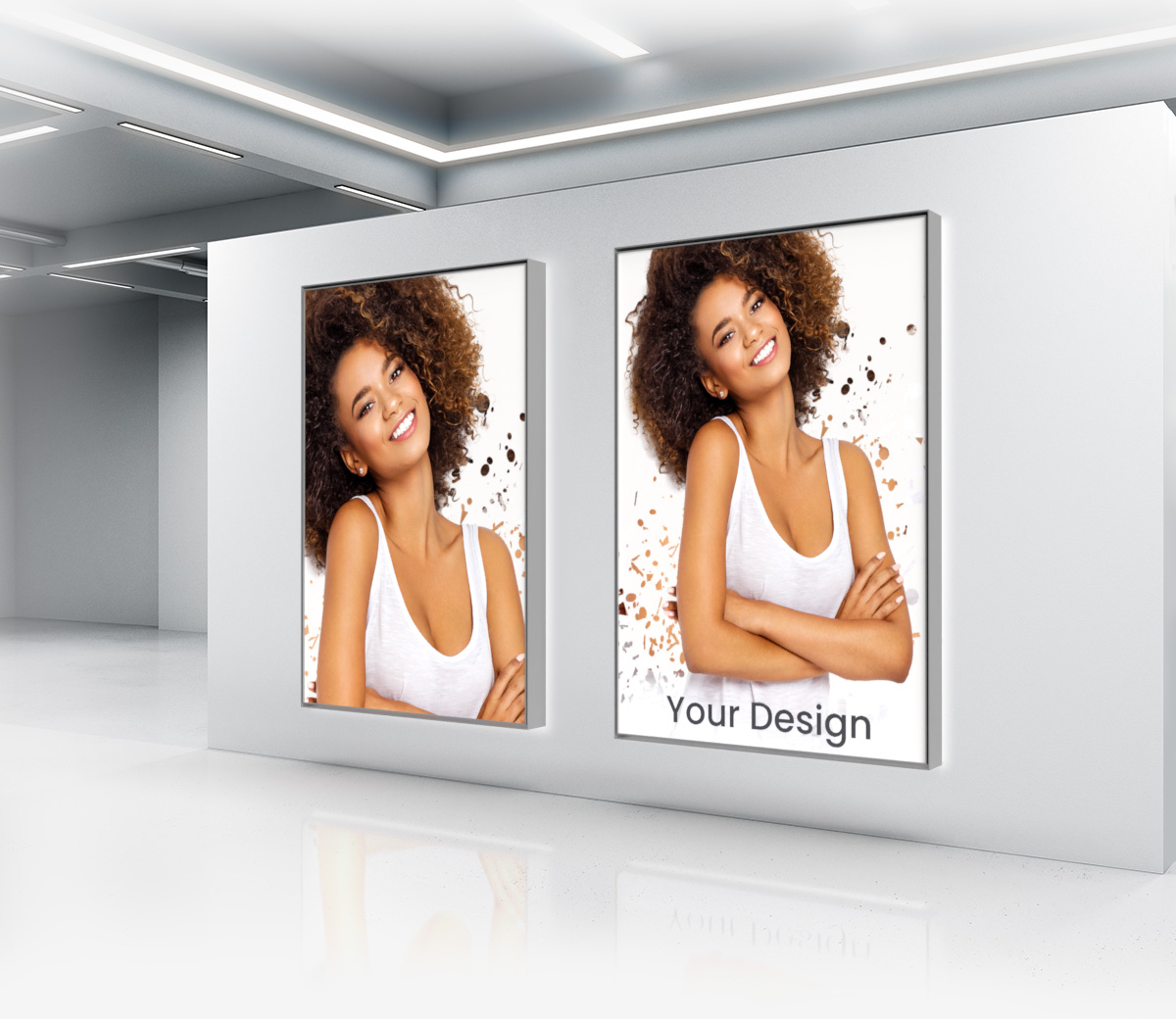
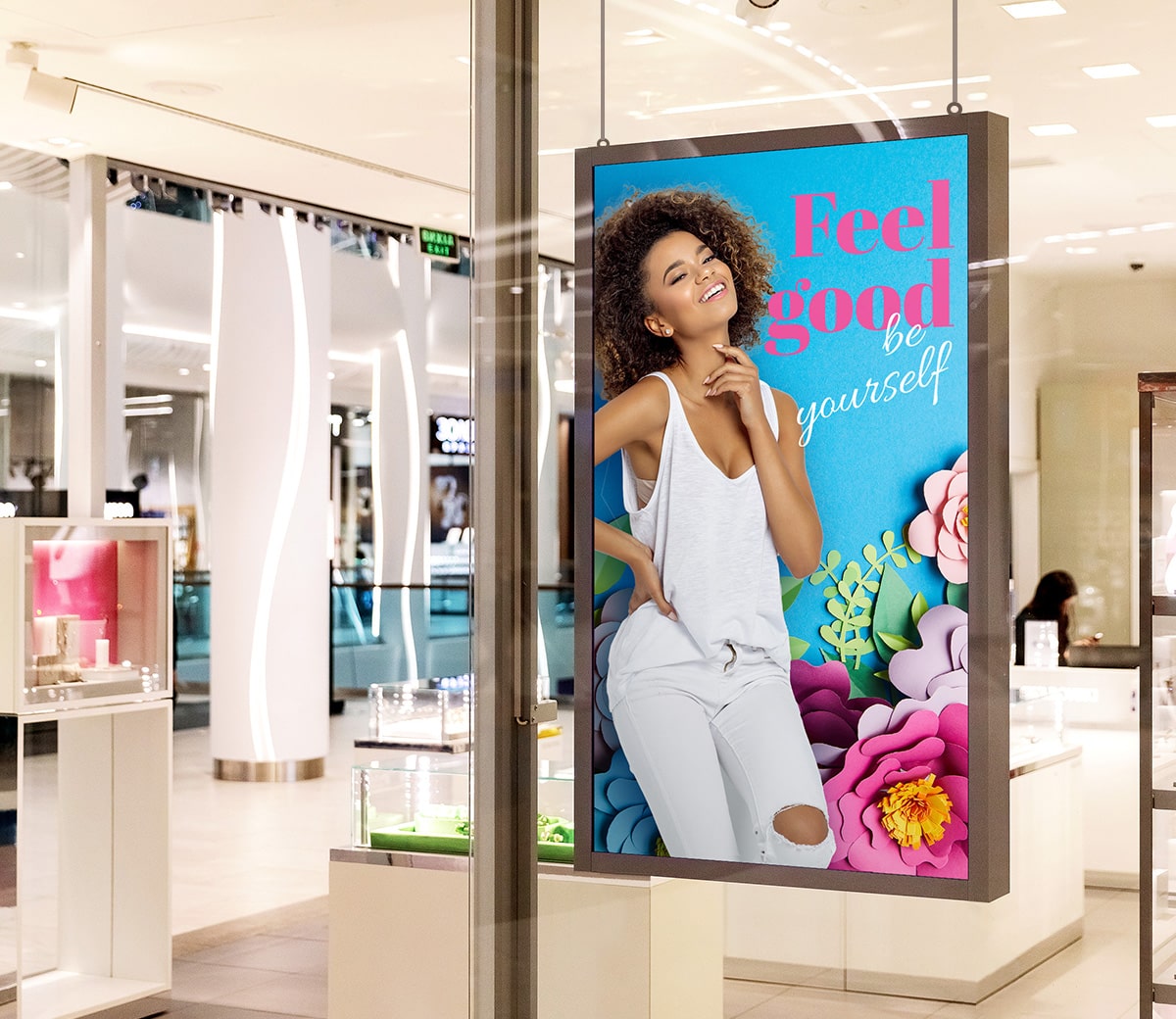
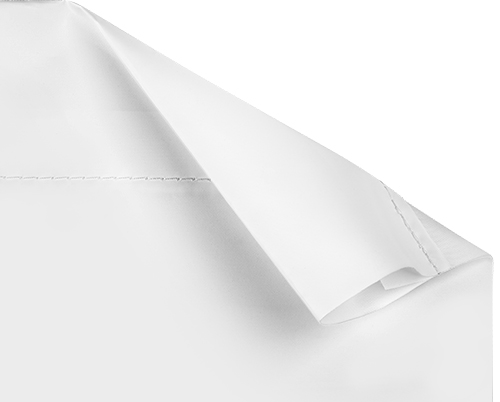
Lightbox is a polyester fabric for backlit advertising in LED light boxes, ZEN Backlight frames and similar display systems. It is designed for clear, evenly illuminated prints in commercial and public interiors where the graphic must attract attention and remain easy to replace. The material supports UV printing in CMYK and can be finished cut to size, with Silicone keder, stitched edges or a tunnel.
| Intended use | material for purposes of ZEN Backlight frames and lightboxes |
|---|---|
| Grammage | 140 g/m² |
| Printing technology | UV |
| Colours | CMYK |
| Maximum material width | 2,6 m |
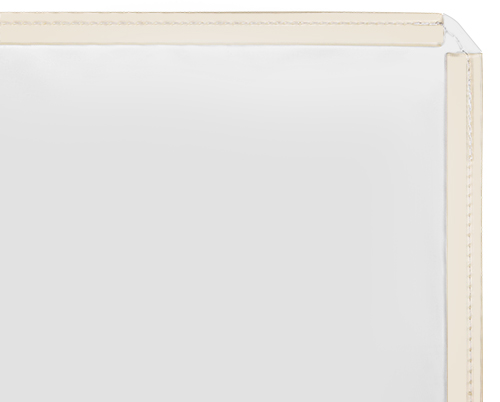
| Finish of material | cut to size, Silicone keder, stitched edges, Tunnel |
| Material attestation | B1 |
| Properties | designed for backlit graphics / LED light box, very good print quality, fabric pulled tight over the frame eliminates creasing, polyester fabric coated with a special layer (matte with a milky colour, which allows for UV printing), PVC FREE |
Price from: €8,96 /m2



Available finishes
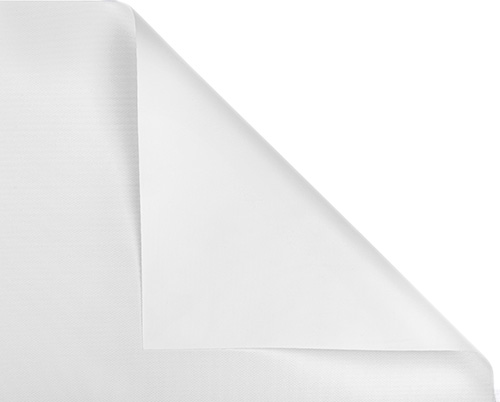
Cut to size
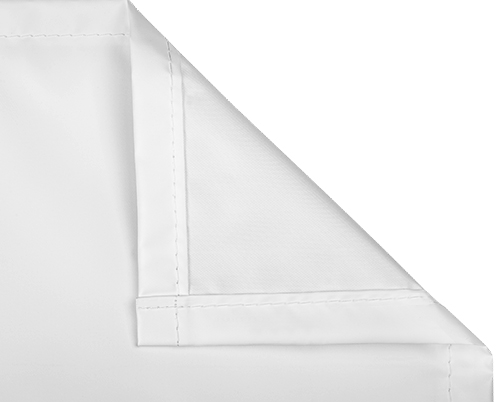
Stitched edges
Tunnel
Silicon strip Lightbox is a 140 g/m² polyester fabric prepared for backlit graphics used in LED light boxes, ZEN Backlight frames, stands and suspended display systems. It is intended for projects where the print has to look clean when illuminated and where quick replacement of the graphic is important, for example in retail, showrooms, hotels, restaurants, information points, offices, medical centres and fitness or beauty spaces.
What makes Lightbox suitable for backlit displays?
The fabric is coated with a special matte, milky layer that supports UV printing. This construction helps achieve very good print quality and a balanced visual effect after backlighting. Printing is produced in CMYK, which allows brand colours, promotional layouts and product visuals to be reproduced consistently across backlit communication systems.
Lightbox is flexible, lightweight and durable, making it practical for frequent campaign changes. When stretched correctly over the frame, the fabric is pulled tight, which helps eliminate creasing and improves the overall appearance of the illuminated surface.
Where is Lightbox used?
The material is designed for backlit advertising and decorative communication in indoor public and commercial spaces. It works well for branded walls, promotional displays, menu boards, service information, product presentations and wayfinding elements where strong visibility is required without using rigid panels.
How to choose the finishing?
The right finishing should match the mounting system and the way the display will be used. Available options make it possible to prepare the fabric for different applications:
- cut to size for simple formats and further processing,
- Silicone keder for compatible tension frames, including ZEN Backlight systems,
- stitched edges for reinforced textile finishing,
- tunnel for selected suspended or bar-mounted installations.
The maximum material width is 2.6 m. Lightbox is PVC FREE and has a B1 material certificate, which supports its use in public spaces where flame-retardant materials are required.
Practical selection tips for Lightbox projects
When ordering Lightbox, start with the display system. A textile graphic for a tension frame usually requires Silicone keder, while a suspended presentation may need a tunnel. If the final mounting method is still being specified, cut-to-size fabric can be useful for further processing, but it should be matched carefully to the planned installation.
The material performs best in backlit systems where the LED source is evenly distributed behind the print. This helps maintain a consistent illuminated effect across the graphic. In projects with large areas of flat colour, gradients or photographic content, file preparation and lighting uniformity are especially important because backlighting can make differences in colour density more visible.
File preparation and production considerations
Prepare the artwork as a print-ready file in the required size, with sufficient resolution for the viewing distance and the expected display format. For tension frames, remember that part of the textile may be used for finishing and mounting, so important logos, text and legal information should not be placed too close to the edge. If the graphic will be viewed from a short distance, avoid low-resolution images and very thin elements that may lose clarity after printing.
UV printing on the matte, milky coated polyester allows the graphic to remain readable after illumination. For brand-critical colours, the final result should be considered together with the light box construction, LED colour temperature and the environment in which the display will operate. These factors influence how the printed colour is perceived once the display is switched on.
Typical applications
Lightbox is often selected for changeable advertising and visual communication in shops, shopping malls, hotel receptions, restaurants, cafes, medical centres, offices, showrooms and fitness or beauty facilities. It is suitable for seasonal campaigns, service lists, branded interiors, product zones and information points where the message should be visible without using heavy rigid substrates.
- Retail campaigns and promotional light boxes.
- ZEN Backlight frames and textile tension systems.
- Reception and service information displays.
- Suspended textile advertising with tunnel finishing.
- Backlit brand walls and interior communication.
Names used in the market
Depending on the market and specification, Lightbox may also be described as backlit textile, light box fabric, backlit fabric print or textile for LED light boxes. These terms refer to the same type of application: a printed textile intended to work with illumination from behind. The key selection points remain the same: compatible finishing, correct dimensions, print-ready artwork and a lighting system suitable for textile graphics.
Common mistakes to avoid
The most frequent issues are choosing the wrong edge finishing for the frame, placing important elements too close to the textile edge, or preparing artwork without considering backlighting. It is also worth checking the maximum material width of 2.6 m at the design stage, especially for large-format installations. Correct specification before production helps achieve a clean fit, even tension and high readability of the illuminated print.