
Backlight film
Backlight film is a non-adhesive polyester film for illuminated advertising in closed lightboxes and indoor display systems. It is designed for projects where the print must remain clear in daylight and evenly lit after dark. The white translucent material helps diffuse light, while UV, Solvent HR and UV flat printing support precise colour reproduction for posters, menus, signs and backlit advertising panels.
| Printing technology | UV, Solvent HR, UV flat |
|---|---|
| Thickness | 175 μ |
| Print resolution | 1440 dpi |
| Maximum width | 152 cm |
| Finish of material | custom, cut to size |
| Properties | Resembles vinyl for a traditional camera |
| Intended use | illuminated advertisement in closed lightboxes |
| Important information | The price applies to printing in UV technology |

Price from: €7,96 /pcs


Backlight film is a white, translucent polyester film without adhesive backing, intended for backlit advertising in closed systems. It is used where a standard poster is not enough and the message should remain visible after dark, for example in lightboxes, illuminated frames, pylons and advertising panels. The material has a matt finish on the front and a glossy finish on the back, and its appearance is similar to traditional photographic film.
What makes Backlight film suitable for illuminated displays?
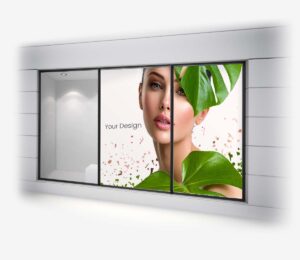
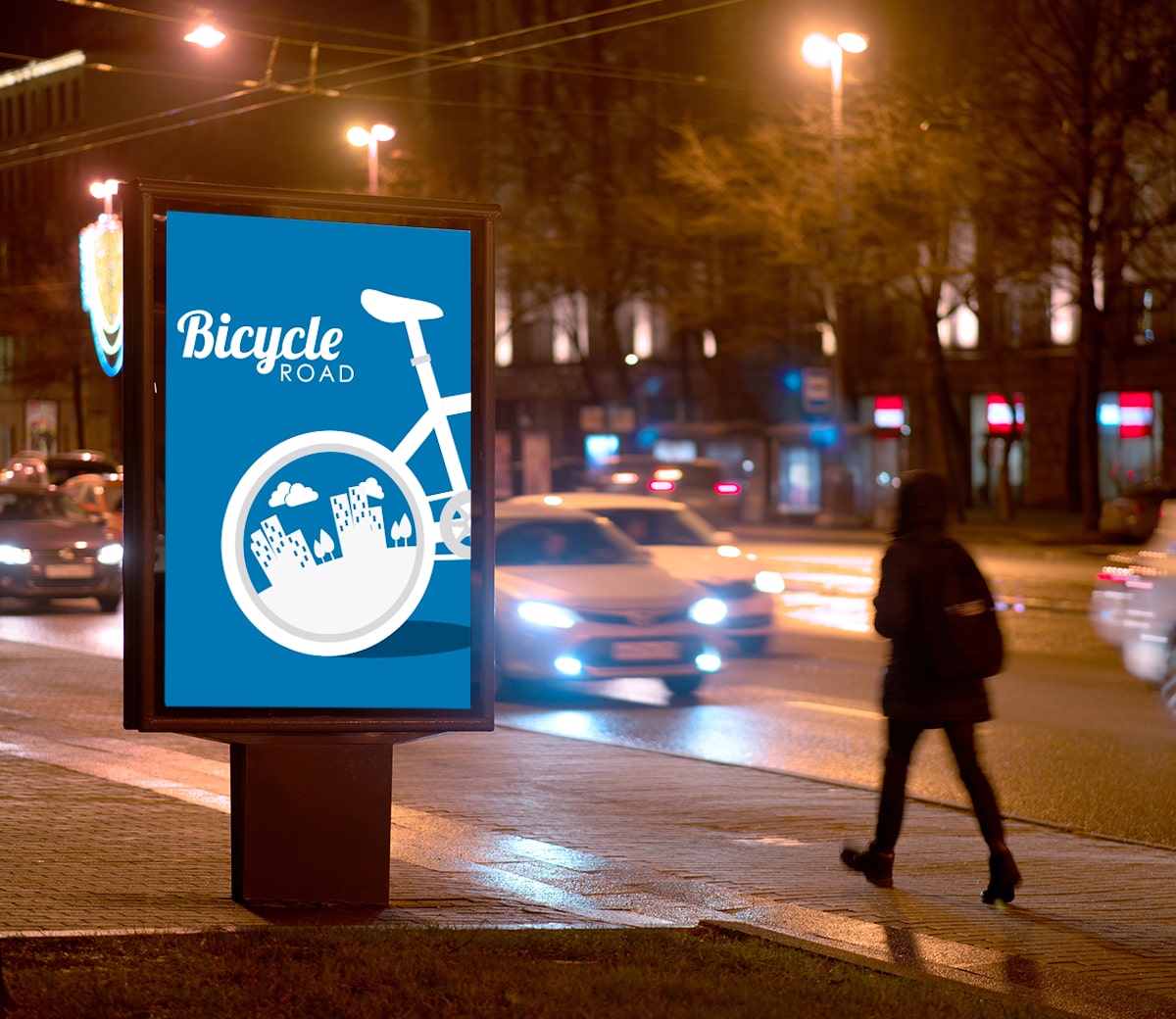
In backlit advertising, the key issue is not only print quality but also light diffusion. Backlight film transmits and disperses light, helping the printed design look even when illuminated from behind. During the day, the display works like a clean poster; at night, the same print gains visibility thanks to the light source inside the system.
The film is suitable for indoor use and for closed outdoor systems, where the material is protected by the construction of the lightbox or frame. It is often chosen for advertising that needs to be changed regularly, because the film can be cut to size and mounted without adhesive application.
Printing and finishing options
Printing is available in UV, Solvent HR and UV flat technologies, with print resolution up to 1440 dpi. The material thickness is 175 μ, and the maximum printing width is 152 cm. The price applies to printing in UV technology.
The standard finish is cut to size or prepared according to the order requirements. Lamination can be selected when the project requires additional surface protection or a different visual effect. A gloss laminate gives the print a shinier finish, while a matt laminate helps retain a subdued surface appearance.
Typical applications
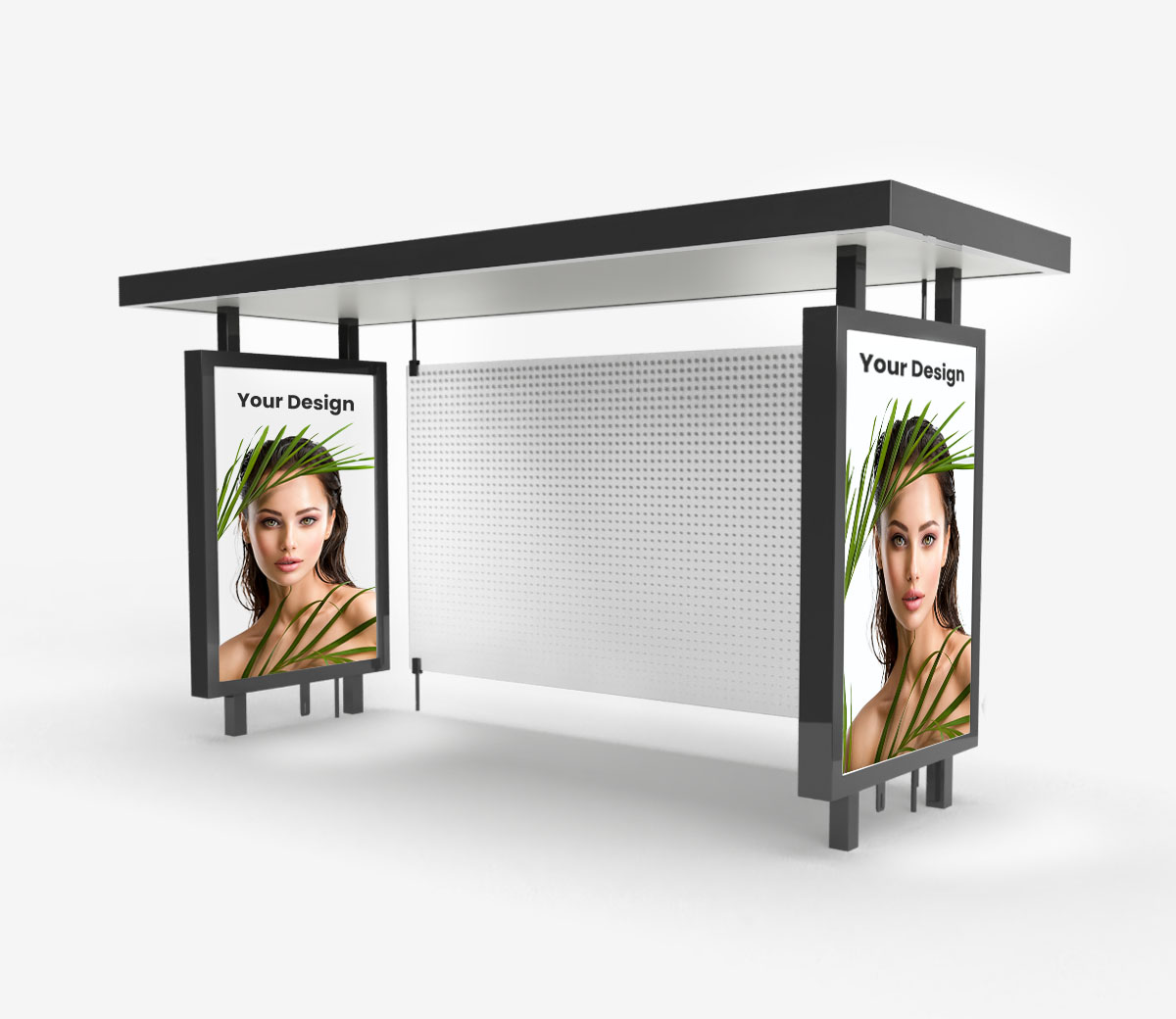
- closed urban lightboxes and bus stop advertising systems,
- wall-mounted illuminated frames and display panels,
- advertising signs, boards and pylons,
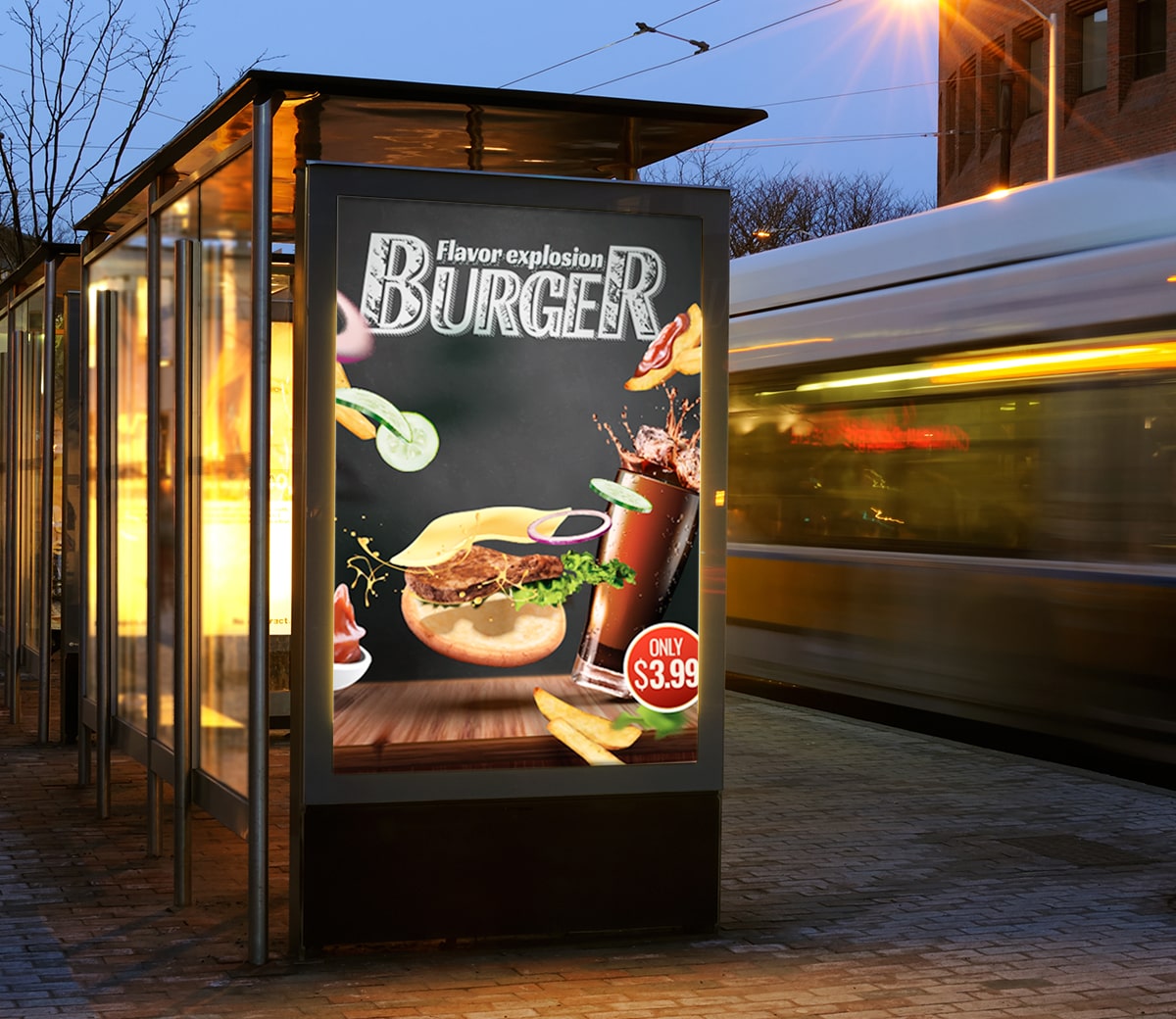
- cinema posters, restaurant menus and retail promotions,
- backlit advertising elements used in shops, galleries and service points.
How to choose Backlight film for your project
Backlight film works best when the display system is closed, stable and designed for rear illumination. Before placing an order, it is worth checking the internal dimensions of the lightbox or frame, the visible area after installation and the way the film will be held in place. The product is usually ordered cut to size, so accurate measurements help avoid trimming on site and make replacement easier.
If the advertising message changes often, this material is a practical choice because it does not require adhesive bonding to the surface. It can be removed and replaced more easily than self-adhesive materials, provided the system allows this type of installation. For larger designs, the print may need to be divided into sections; overlaps should be planned at the artwork stage so they remain as discreet as possible after mounting.
Artwork preparation and print effect
Backlit designs should be prepared with the final lighting conditions in mind. Colours may appear different when the print is illuminated from behind than when viewed only in daylight. Strong contrast, readable typography and well-controlled dark areas usually help achieve better visibility in lightboxes. Files should follow the print preparation specification, including correct scale, bleed and safe margins where required by the frame construction.
The front surface of the printed film is matt as standard. If a glossier visual effect is required, a gloss laminate can be selected. When the priority is longer surface protection while keeping a less reflective look, a matt laminate is the more suitable option. For short-term exposure outside a closed advertising system, an anti-graffiti laminate may help with cleaning dirt, stickers or graffiti. An anti-bacterial laminate can also be considered for applications where this type of surface protection is relevant.
Where the material is used most often
Backlight film is commonly selected for illuminated advertising in retail, hospitality, entertainment and urban media. It is suitable for framed cinema posters, menu boards, advertising furniture, promotional panels in shops and enlarged photographic displays. Customers may also refer to this type of product as backlit film or lightbox film, but the key factor is always the same: the material must transmit and diffuse light properly in a closed illuminated system.
Handling, transport and storage
The film should not be folded or sharply bent during transport or storage, because marks may remain visible on the surface. Rolling the material is recommended, as it helps protect the print and allows the film to return to its flat shape before installation. Before mounting, the lightbox should be clean and free from elements that could scratch or press into the film.
Ordering process
- Confirm the format, visible area and intended mounting method.
- Select the print technology and finishing option, including laminate if required.
- Send a print-ready file prepared according to the specification.