
OWV vinyl
OWV vinyl is a self-adhesive perforated film for glass surfaces, used mainly for window advertising, shopfront branding and vehicle window graphics. It helps display a clear promotional message from the outside while limiting visibility into the interior and maintaining daylight access. Printed with Solvent HR technology, it is suitable for outdoor exposure and can be cut to size or cut to shape for different installation needs.
| Printing technology | Solvent HR |
|---|---|
| Thickness | 150 μ |
| Print resolution | 1440 dpi |
| Maximum material width | 1,52 m |
| Finish of material | cut to shape, cut to size |
| Properties | high quality, saturated colours |
| Intended use | vinyl for car windows |

Price from: €7,96 /m2



OWV vinyl is designed for advertising and informational graphics applied to flat glass surfaces. Its micro-perforated structure makes it useful wherever the outside of a window should carry a visible message, while the inside should remain more discreet and still receive daylight. It is a practical choice for businesses that want to use windows as advertising space without fully blocking the view from inside.
Where OWV vinyl works best
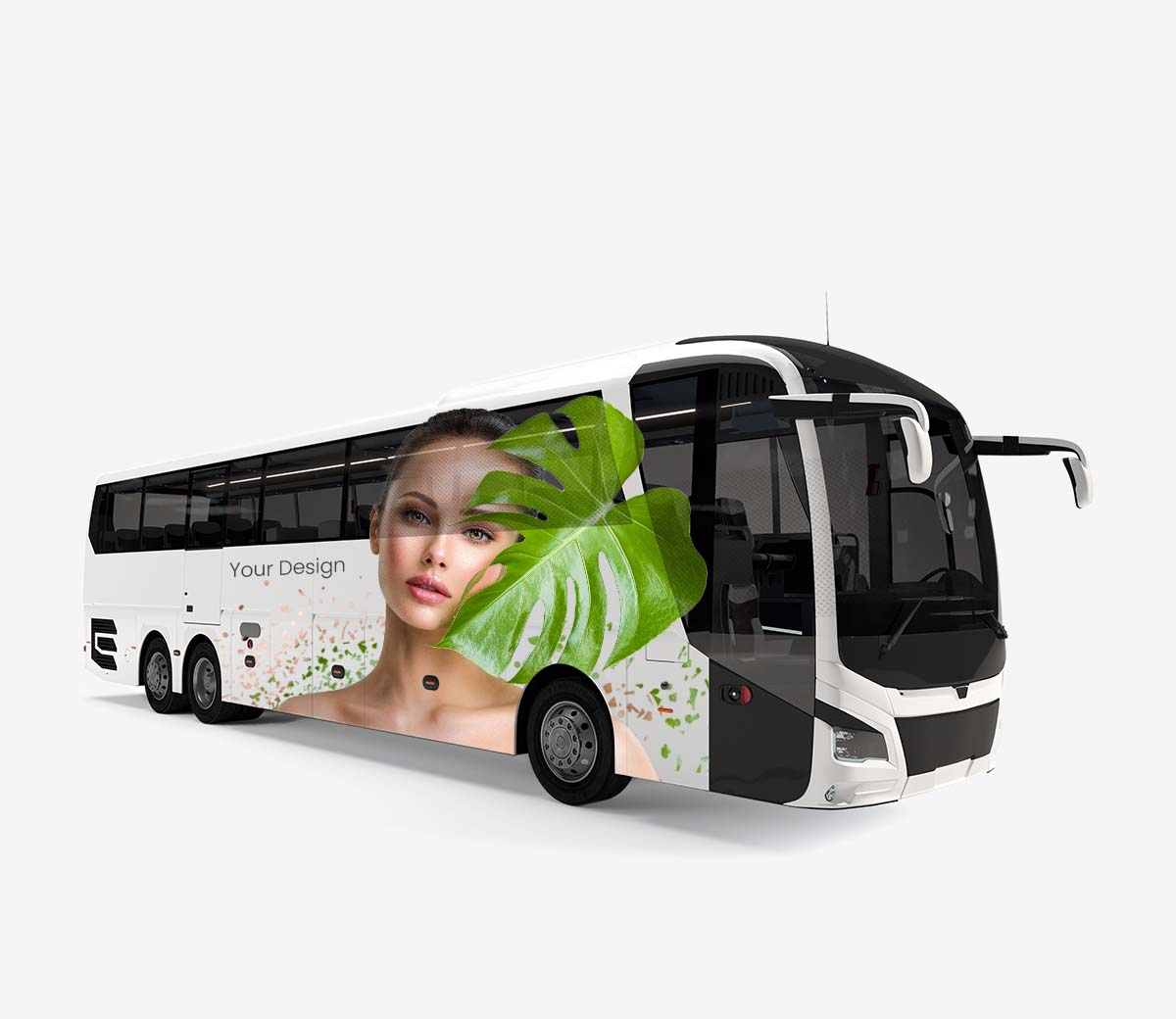
The material is commonly used on shop windows, service premises, office glazing and vehicle windows. It is well suited to locations with large glass areas that naturally attract attention, such as showrooms, shopping malls, restaurants, cafés, hotels, medical centres, fitness clubs and petrol stations. On vehicles, OWV vinyl is often selected for car windows and larger glazed surfaces where branding needs to be visible in traffic.
Key product features
OWV vinyl has a thickness of 150 μ and is printed in Solvent HR technology at 1440 dpi. This supports saturated colours and good print quality for advertising viewed from a typical outdoor distance. The printed film is intended for exterior conditions and offers resistance to UV exposure and weather conditions, which is important for shopfront and vehicle applications.
- self-adhesive material for flat glass surfaces,
- micro-perforated structure supporting one-way visual effect,
- maximum material width of 1.52 m,
- larger graphics can be produced in sections,
- available finishing: cut to size or cut to shape.
How to choose and prepare the order
The choice of finishing depends on the installation area and the shape of the glass surface. Rectangular window campaigns usually require cutting to size, while branded shapes or irregular layouts may require cutting to shape. For graphics wider than 1.52 m, the print is divided into parts and joined during installation, so the design should allow for practical panel alignment.
Before applying OWV vinyl, the glass should be thoroughly cleaned. Because the film has a porous, micro-perforated surface, artwork should avoid very small lettering and fine details. Larger messages, clear contrast and simple layouts usually provide better readability from a distance.
Practical use of OWV vinyl in business spaces
OWV vinyl allows companies to turn unused glazing into an advertising medium without covering the window with a fully opaque material. It is useful for storefront campaigns, seasonal offers, opening hours, service information, brand visuals and vehicle branding. In ground-floor offices or treatment rooms, it can also help improve privacy while keeping the space visually connected with the outside.
On shopfronts, the material is often chosen when the window should remain functional and not only decorative. In restaurants, cafés, beauty salons, fitness clubs or medical centres, this can be important for maintaining daylight and a less closed-in interior. On vehicle windows, OWV vinyl helps display branding to pedestrians and drivers, especially when the glazed area is large enough to carry a simple, readable message.
What to consider before production
The maximum material width is 1.52 m. This does not limit the final size of the ordered graphic, but larger projects are prepared in separate sections. During installation, these parts are aligned into one complete layout. For that reason, designs with large background areas, clear visual hierarchy and well-planned joins are easier to install and usually look more consistent on large glazing.
- use strong contrast between text and background,
- avoid very small typography and thin lines,
- keep important logos and messages away from planned joins,
- match the finishing option to the actual glass shape,
- clean and degrease the surface carefully before application.
Artwork and readability tips
Because OWV vinyl is perforated, the printed surface is not continuous in the same way as standard solid vinyl. Fine details, small text and delicate colour transitions may lose clarity after printing and installation. For advertising viewed from the street or from a moving vehicle, the safest approach is to use short messages, large elements and a layout that remains readable at a distance.
The product can be finished as cut to size for standard rectangular areas or cut to shape for more individual layouts. When preparing files, it is worth considering the final viewing distance, the size of the glass and whether the graphic will be installed on a vehicle, shop window or building glazing. Vehicle applications should also take into account local rules and visibility requirements for window coverage.
Alternative terms used for this product
In everyday purchasing and print production, OWV vinyl may also be referred to as one way vision film, perforated window vinyl, OWV film or window film one way vision. These terms describe the same general type of micro-perforated self-adhesive film used for advertising on glass. In this product, the main reference name remains OWV vinyl.
Typical mistakes to avoid
The most common issues come from treating OWV vinyl like a standard opaque sticker. Dense layouts, small contact details or low-contrast artwork can reduce readability. Another frequent problem is applying the film to insufficiently cleaned glass, which may affect adhesion and the final appearance. For larger installations, panel division should be planned before production rather than adjusted on site.