3D shapes
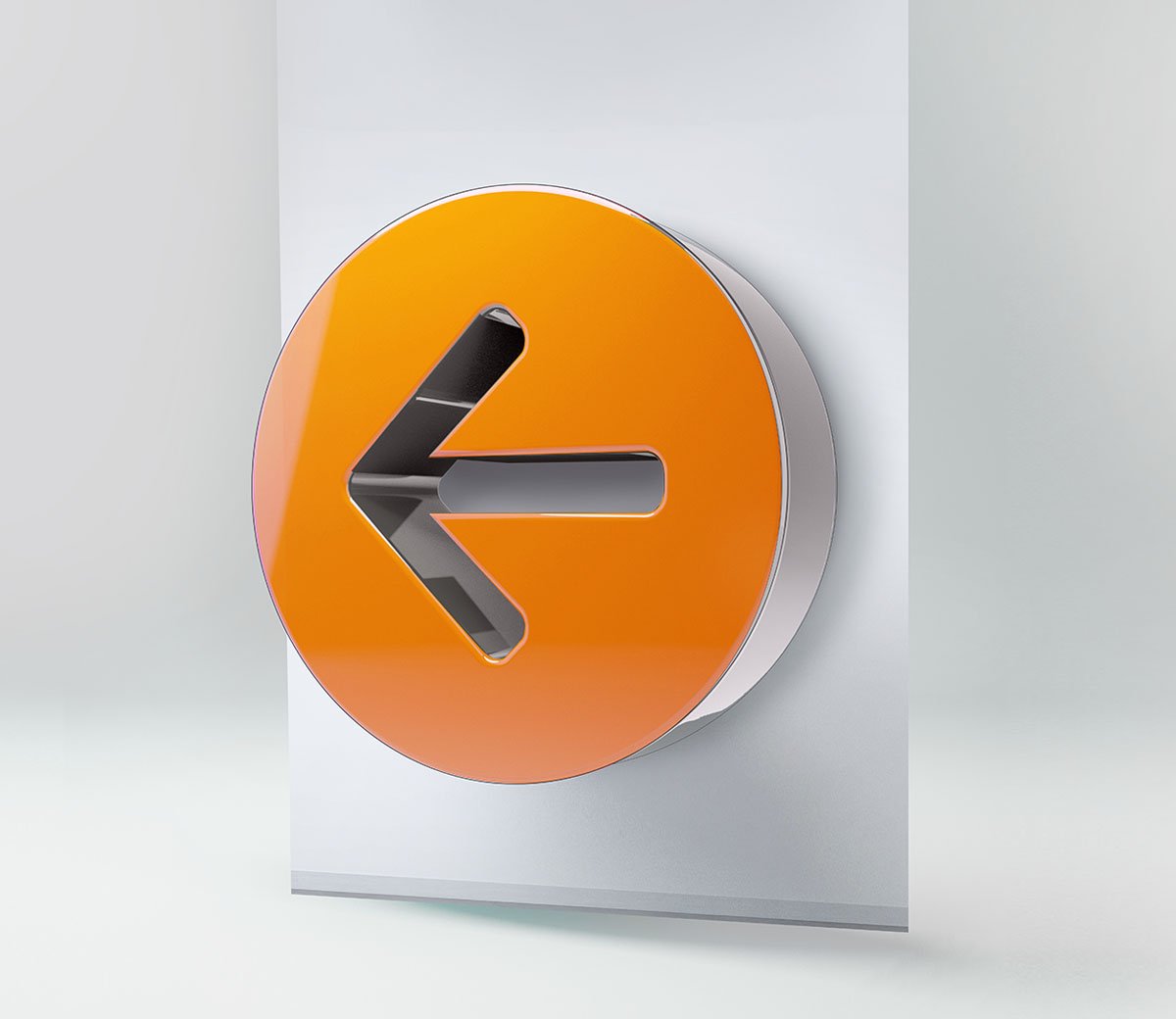
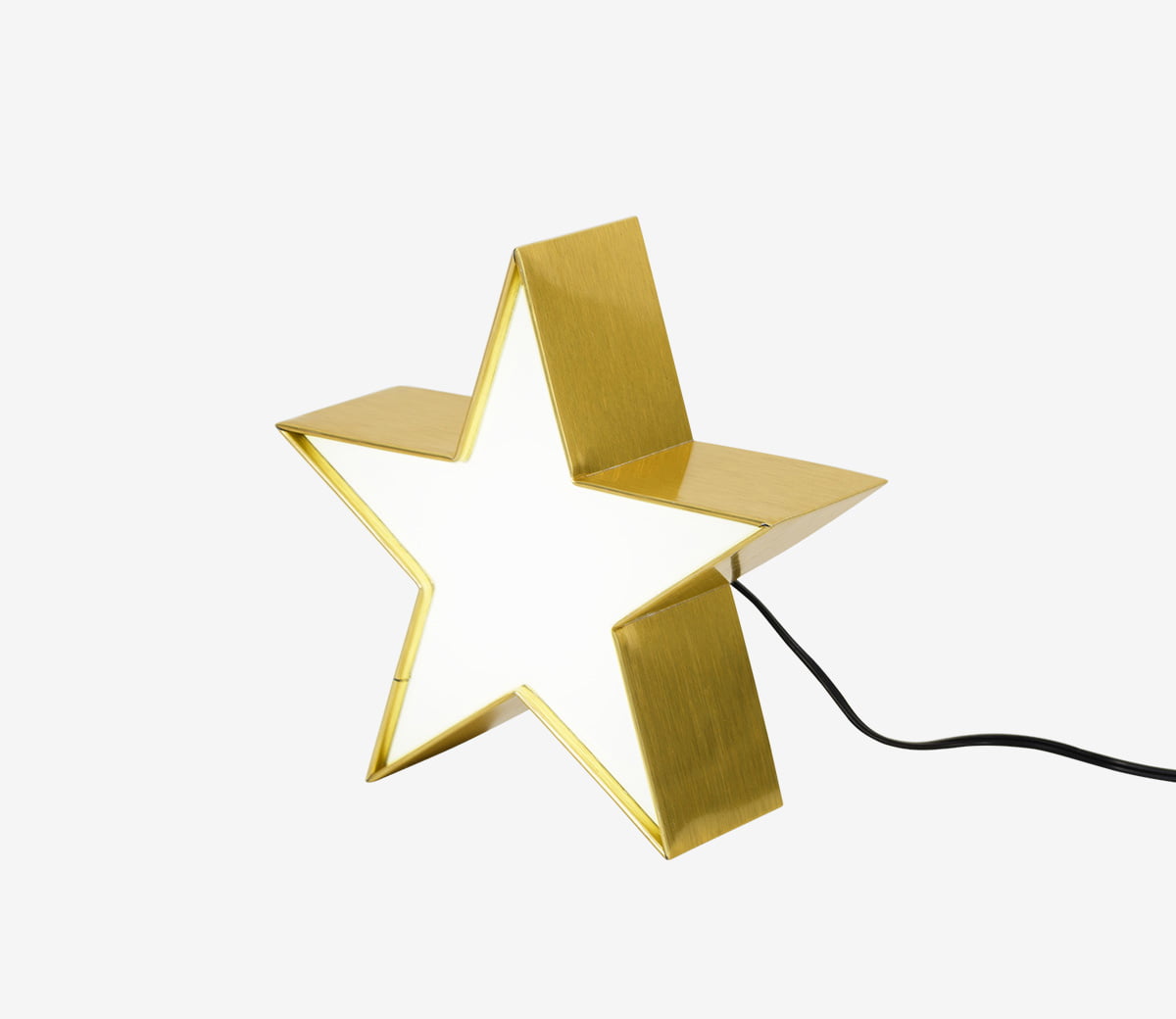
3D shapes are custom illuminated advertising forms for company signboards, logos and interior decoration in commercial spaces. They help make a brand, service point or display area more visible, especially where flat signage is not enough. Made from Dibond, plexi board or PVC and equipped with LED lighting, they can be adapted to the required depth, side colour and visual effect, including different lighting colours or flashing.
| Intended use | company signboard, internal decoration, logotype, e.g. in the service industry, shopping mall, catering industry |
|---|---|
| Material | Dibond, plexi board, PVC |
| Lighting | LED |
| Light colour | 6500 – 7500 K |
| Light beam angle | up to 175 degrees |
| Depth of letters | 4 cm, 6 cm, 8 cm, 10 cm, 12 cm |
| Sides colour | Standard colours available, RAL colors at an extra charge |
| Properties | advertising & decoration, the possibility of using different lighting colours and the flashing effect, visibility |
| Important information | The product is priced individually |

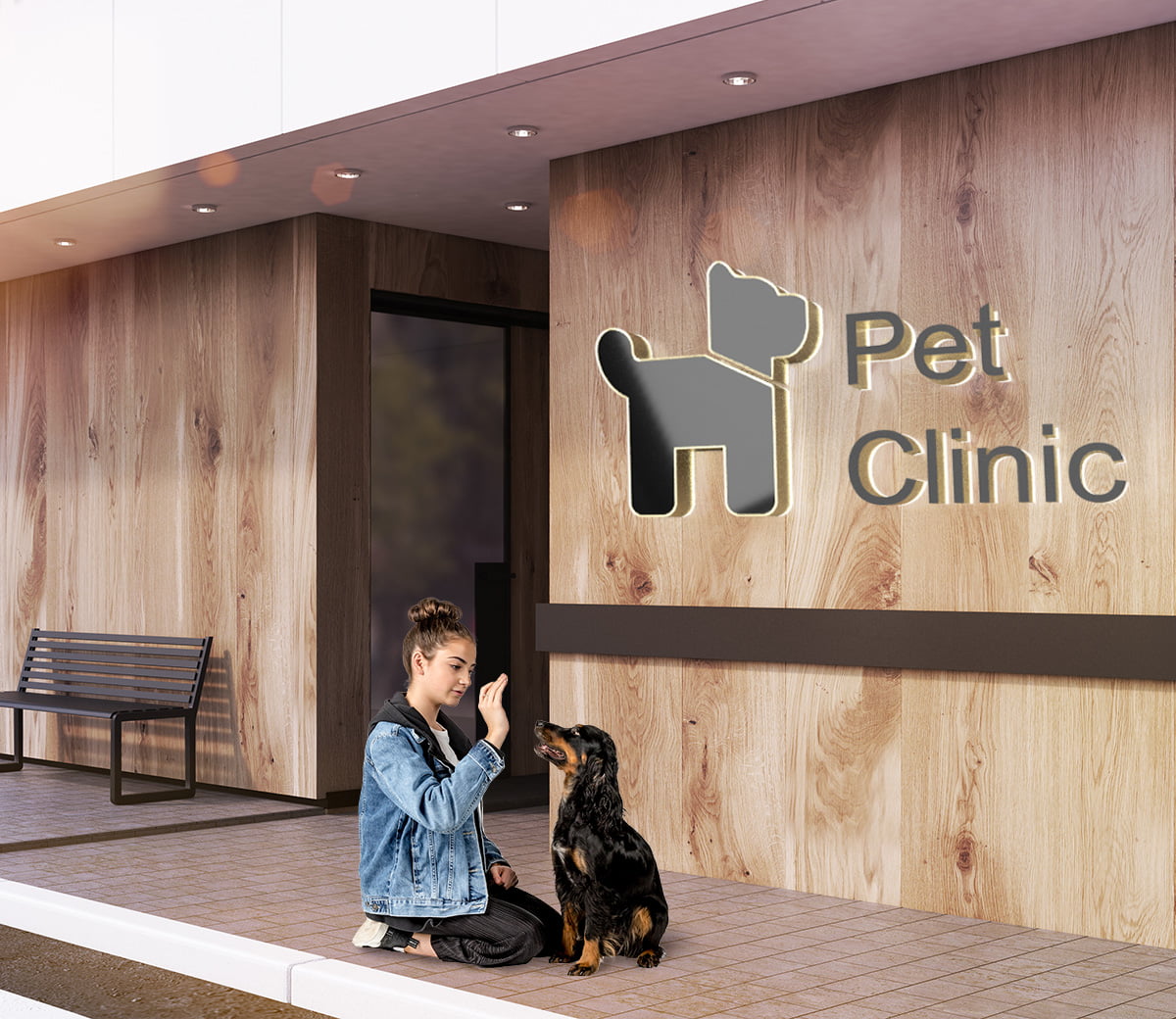
3D logo signage is becoming increasingly popular. Interesting and colourful designs are easily noticeable and positively perceived. 3D shapes and logos have a spatial form, which makes them more visible and, with the additional option of backlighting, they attract attention even at night. 3D logos are often realised in combination with spatial letters. Companies are increasingly relying on visual identification based not only on a written name, but also on graphic symbol. This complementary element of communication facilitates the creation of the company’s image, gives the possibility to easily stand out from the competition and is definitely more easily remembered by potential customers.
What are the possible options for highlighting the 3D logo signage ?
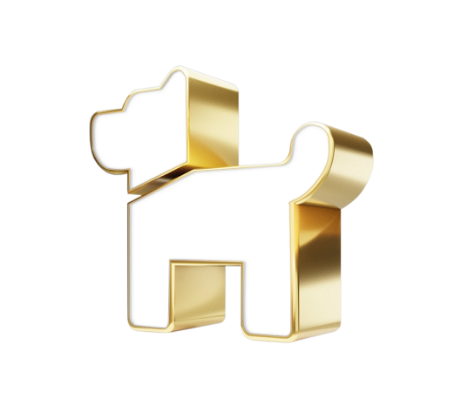
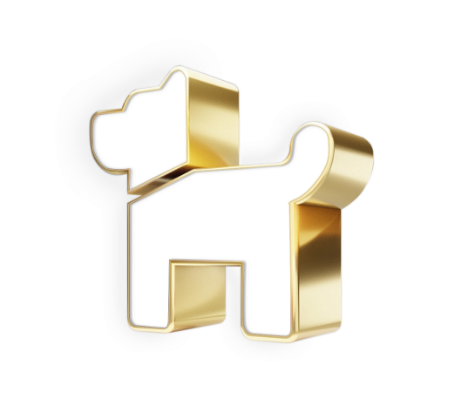
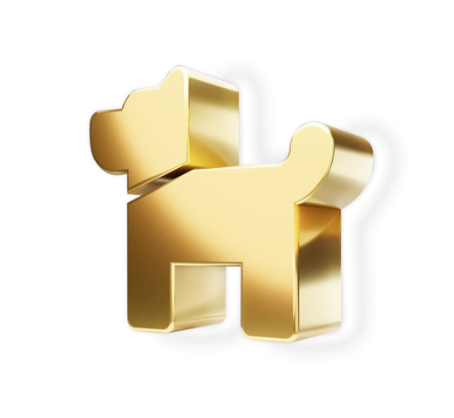
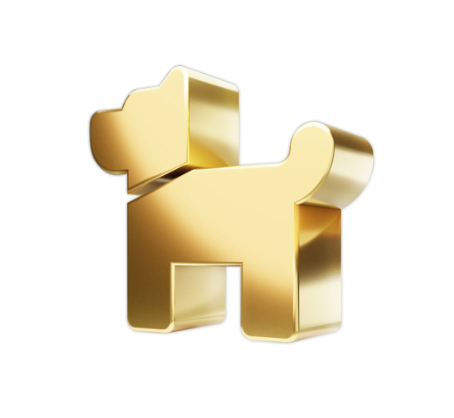
The 3D logo can be illuminated using one of three options. The first is to illuminate the logo to the front. This is the most frequently chosen form, the 3D logo is visible from a long distance even after dusk, the colours are saturated and sharp. The face of the 3D logo is made of a light-transmitting material – Plexiglas – and the back is made of PVC. The second is back-lit. A 3D logo designed in this way has a face made of a light-impermeable material – PVC or Dibond – and from the back of the element the reflection of the lighting on the facade where it is mounted is visible. This solution gives a very aesthetic and interesting effect.
The last type is back-to-front illumination. With this solution, our 3D logo is most strongly illuminated – both from the front and the back. Before making a decision, it is important to consider where our system will be presented and what final effect we want. When the 3D logo is juxtaposed with an inscription, it is advisable to use a similar solution so that the message is consistent and forms an integral whole.
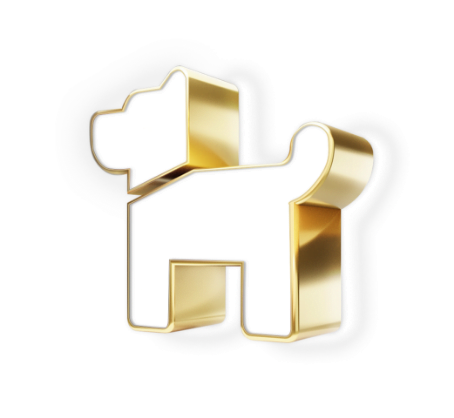
How can your 3D logo signage be finished?
We carry out four types of side finishing as standard for 3D logo sign elements. As 3D logos often have quite complex shapes and are made up of many smaller ones, we recommend using faced sides. This option allows for the most precise and aesthetically pleasing finish. In cases where the elements that make up the logo or graphic element are quite large, you can opt for a more striking finish, such as sides made flat, sharp or curled.
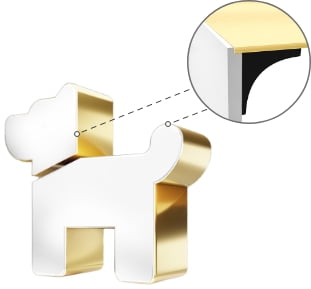
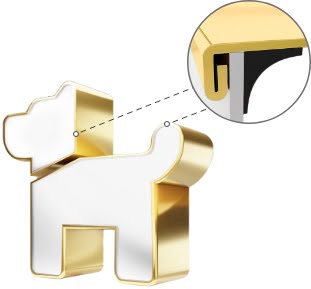
What colours are available for the sides of 3D logo sign?
We have available the colours that are most often chosen by our customers. However, we can produce the sides in another colour from the RAL Classic palette.


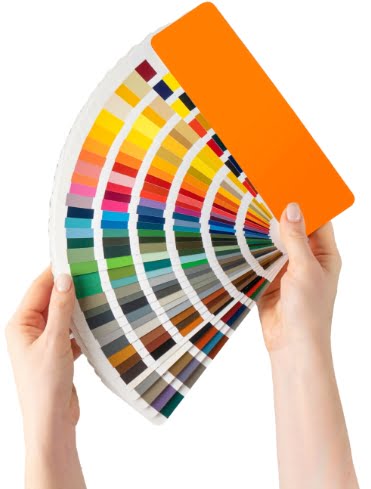
What are the options for mounting the 3D logo signage ?
Most often, the 3D logo is mounted directly onto a Dibond board. This solution is generally used because the graphic elements of the logo are made up of many smaller parts, and this method solves the need to fit them together. Mounting directly to the wall without the use of a Dibond board or box or frame requires checking whether more fixing points can be made in the facade. Before deciding which solution to use, it is important to have a good idea of where our 3D logo is displayed. We need to know several details: whether cables with electricity can be run to make our 3D logo signage illuminated, whether more fixings can be made on the location, whether additional approvals are required.
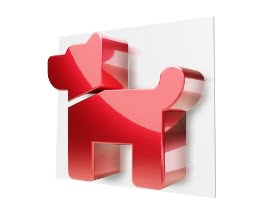
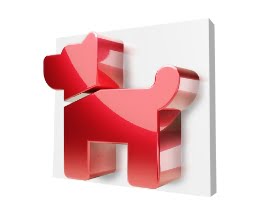
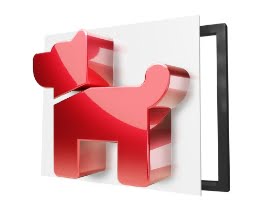
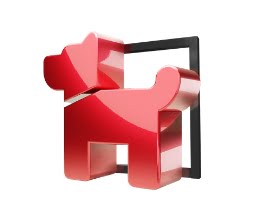


3D shapes are spatial advertising elements designed for brand presentation, wayfinding and decorative communication in business environments. They are used when a logo, symbol or custom form needs stronger visibility than a flat print or standard board can provide. The product is suitable for company signboards, service industry interiors, shopping malls, catering spaces and other locations where the sign should work both as advertising and as part of the interior concept.
What makes 3D shapes useful in advertising?
The main advantage of 3D shapes is the combination of form, depth and LED illumination. The spatial construction gives the sign a more solid, premium appearance, while lighting improves visibility and helps the element stand out in reception areas, showrooms, restaurants, cafés, hotels, offices or information points. Depending on the project, the lighting can be selected for the desired visual effect, including different light colours or a flashing effect.
Materials and construction options
Production can be based on materials such as Dibond, plexi board and PVC. These options allow the shape to be adapted to the design, installation method and expected appearance. The depth of letters or elements can be selected from 4 cm, 6 cm, 8 cm, 10 cm or 12 cm, which influences the visual presence of the sign and its proportion in relation to the viewing distance.
- Dibond, plexi board and PVC support different visual and structural requirements.
- LED lighting increases visibility and improves recognition of the sign.
- Light colour is specified in the 6500–7500 K range, with a lighting angle of up to 175 degrees.
- Side colours are available in standard colours, with RAL colours available at an extra charge.
How to choose the right version?
The right specification depends on where the 3D shapes will be installed, how large the logo or symbol is, and from what distance it should be read. For interiors, proportion, depth and light intensity are usually the key criteria. For signboards and more exposed brand elements, the choice of material, side colour and lighting effect should be aligned with the visual identity and mounting conditions. Each project is priced individually, so the final solution can be matched to the design and production requirements.
Where 3D shapes work best
3D shapes are commonly selected for spaces where brand visibility needs to be clear, durable and integrated with the interior orfacade concept. They can be used in shopping malls, shops, showrooms, hotels, medical centres, offices, restaurants, cafés, petrol stations, fitness and beauty locations, trade fairs and event zones. In these environments, the sign often has two functions: it identifies the brand and supports the visual character of the space.
In everyday customer language, this type of product may also be described as 3D logo signage, illuminated 3D letters, spatial logo elements or custom illuminated signs. These names can be useful when discussing a brief, but the specification should always be based on the required shape, material, depth, lighting and installation context.
Practical selection criteria
Before production, it is worth defining how the 3D shapes will be viewed: from close distance at a reception desk, from a corridor in a shopping mall, from across a showroom or as part of a larger event stand. The viewing distance affects the recommended size, depth and lighting effect. Deeper elements, such as 10 cm or 12 cm constructions, can create stronger spatial impact, while shallower depths may be sufficient for smaller indoor signs or decorative logotypes.
- Choose the material according to the required appearance, installation method and design complexity.
- Match the depth of the letters or shapes to the size of the sign and viewing distance.
- Select side colours early, especially if a specific RAL colour is required.
- Define whether the lighting should be neutral, coloured or include a flashing effect.
- Check the installation location to plan cable routing, access and power supply.
File preparation and project information
For accurate pricing and production planning, the brief should include the final logo or shape design, target dimensions, preferred material, required depth and lighting expectations. Vector artwork is usually the best basis for producing clean edges and correct proportions. If the artwork contains very thin lines, small gaps or complex details, these elements should be checked before production because spatial construction and illumination may require technical adjustments.
It is also important to specify whether the sign will be used as an internal decoration, a company signboard, a logotype in a service point or a display element for a trade fair. The same visual concept may require a different construction when installed permanently in an office than when used in a temporary event space.
Common mistakes to avoid
One frequent mistake is choosing the depth only by appearance, without considering the size of the letters and the viewing distance. Another is leaving side colour decisions until the end of the project, which may delay approval when a non-standard RAL colour is needed. It is also worth avoiding overly detailed designs that may lose clarity after being converted into a 3D illuminated form.
Because every 3D shapes project is priced individually, the most efficient approach is to prepare a clear brief at the start. This helps match Dibond, plexi board or PVC, LED lighting and finishing options to the intended use, budget and installation conditions.