

Backlight banner
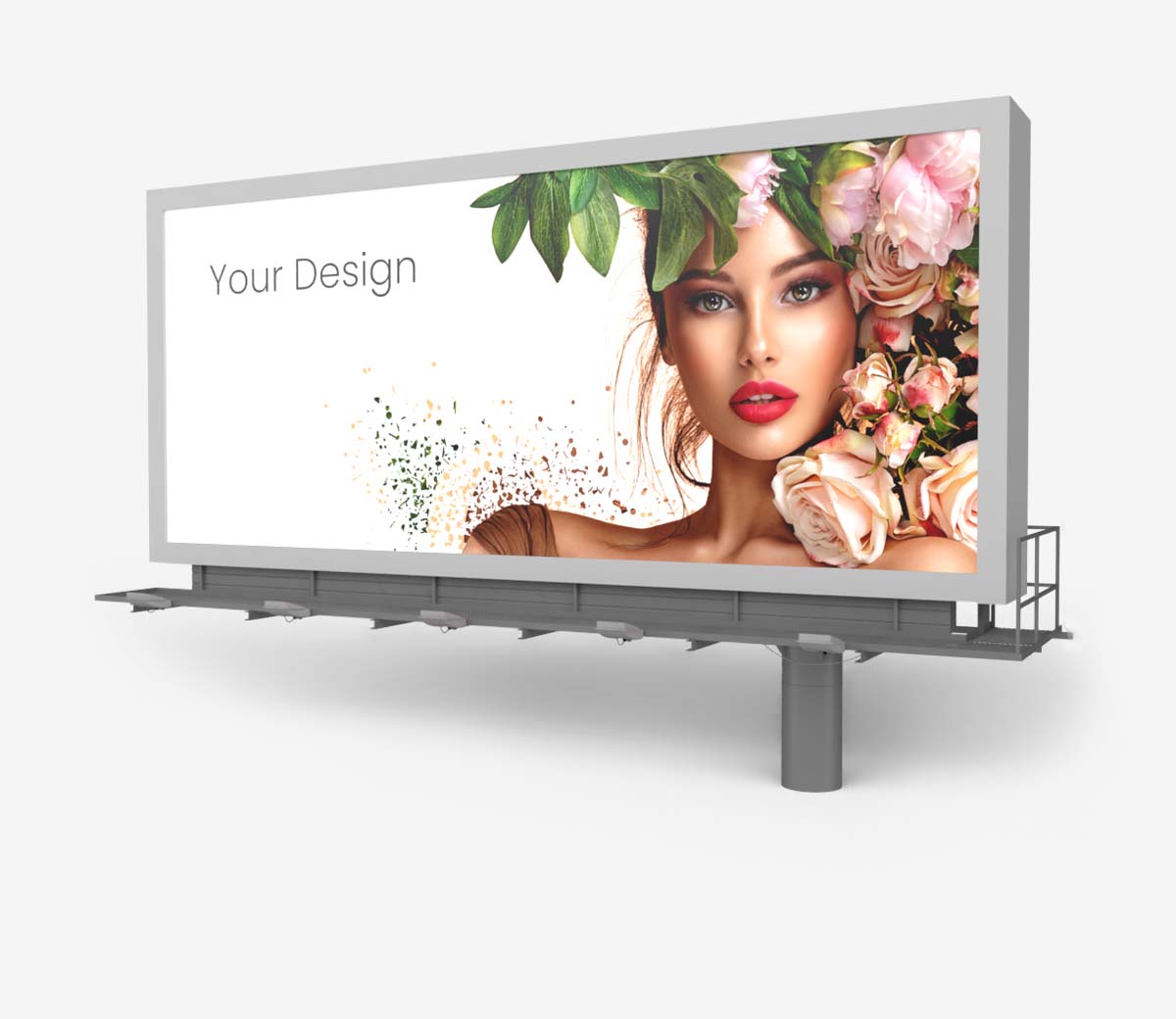
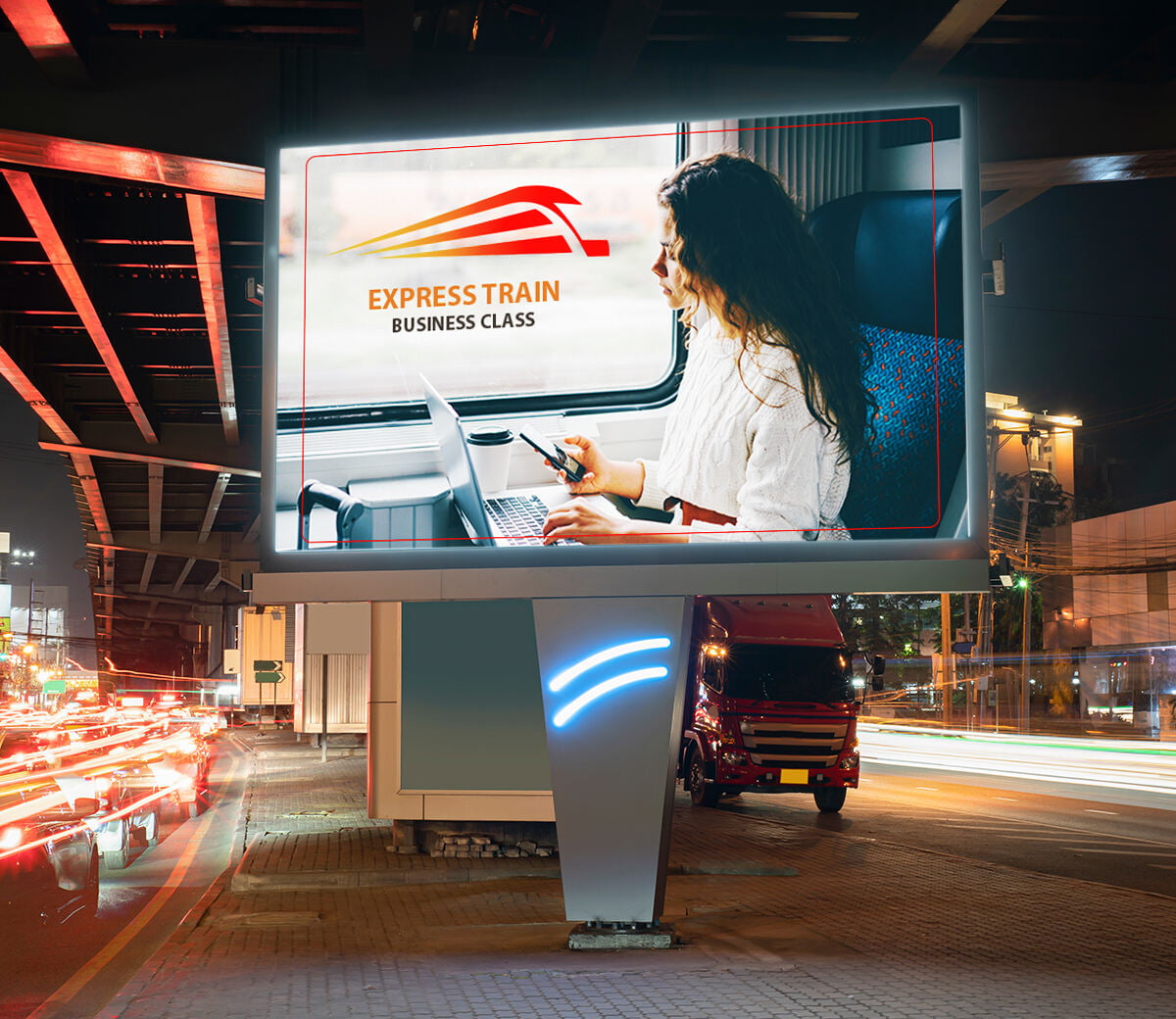
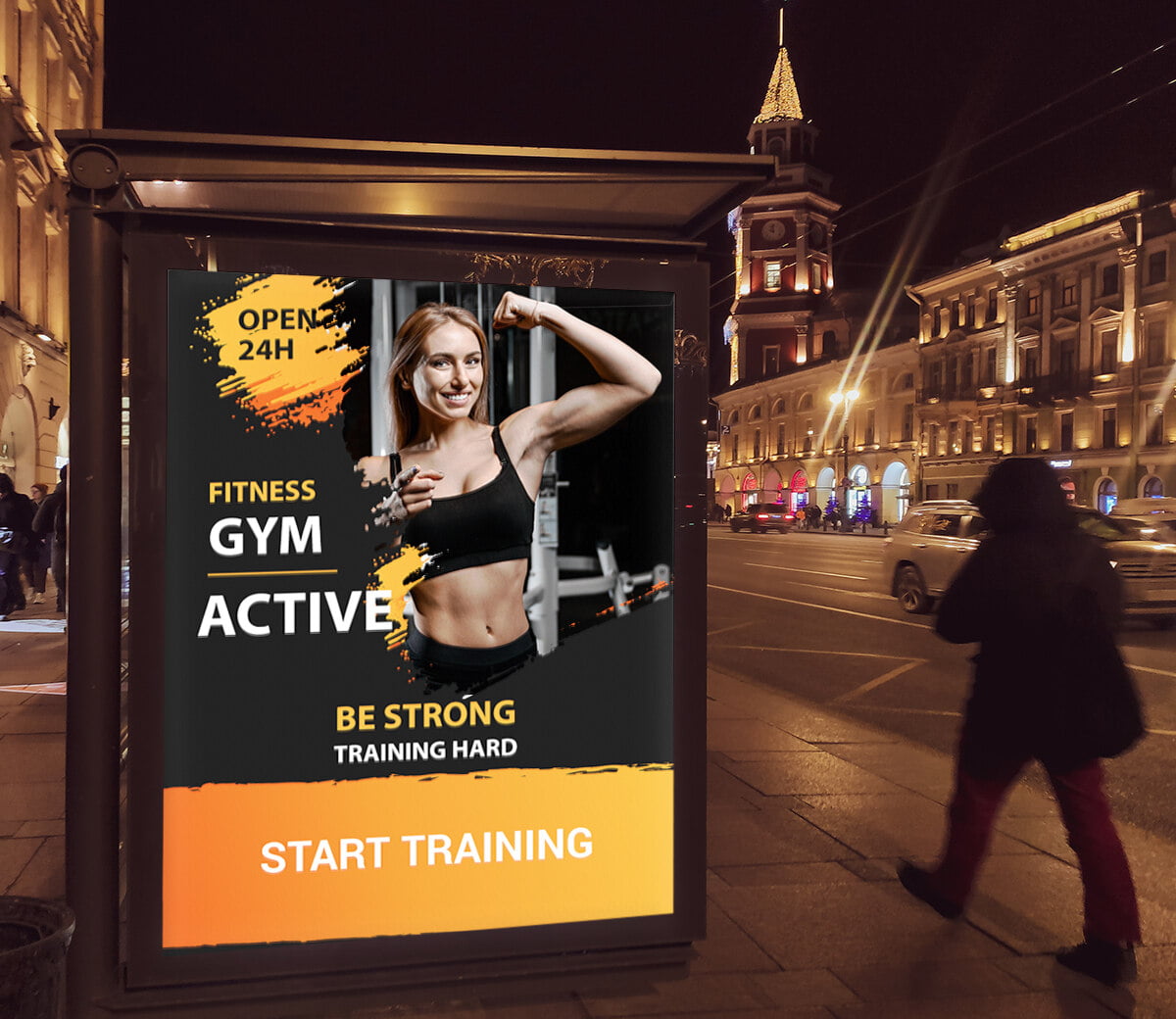
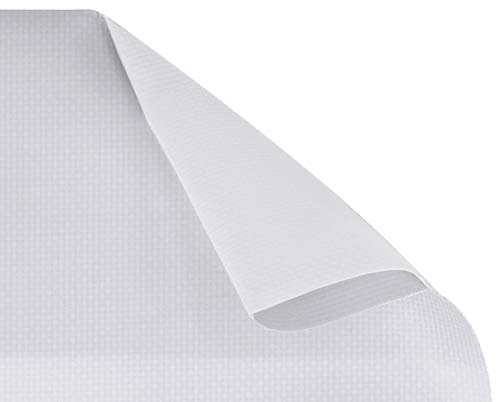
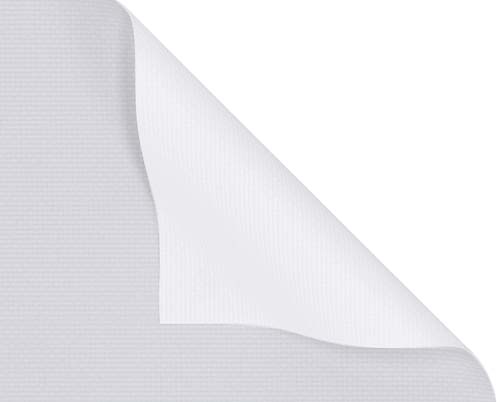
Backlight banner is a printed banner material for illuminated advertising displays used indoors and outdoors. Its good light transmission keeps the graphic clear when lit from behind, making it suitable for shopfronts, shopping malls, showrooms, trade fairs and large outdoor media. UV printing, 500 g/m² material and finishing options such as tunnels, eyelets or keder tape help match the banner to the display system and mounting method.
| Intended use | illuminated advertisement for indoor and outdoor use |
|---|---|
| Grammage | 500 g/m² |
| Printing technology | UV |
| Colours | CMYK |
| Print resolution | 1000 dpi |
| Maximum material width | 5,00 m |
| Material attestation | B1 |
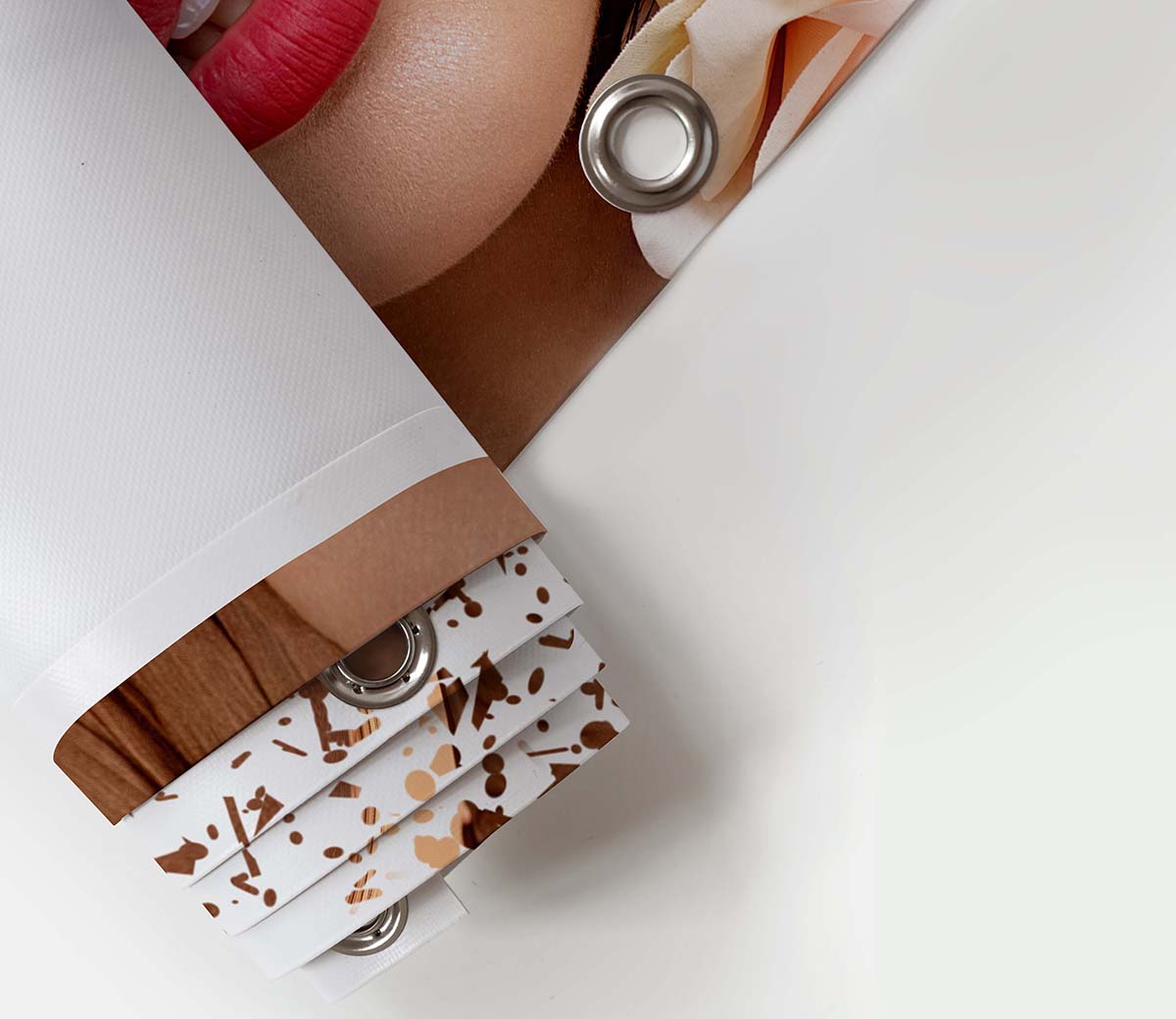
| Finish of material | custom, cut to size, cut to size + eyelets, Tunnel, Tunnel around |
| Properties | good light transmission |

Price from: €8,21 /m2



Available finishes
Cut to size
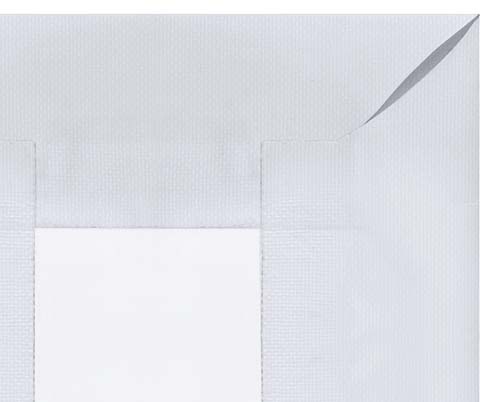
Tunnel
Tunnel around
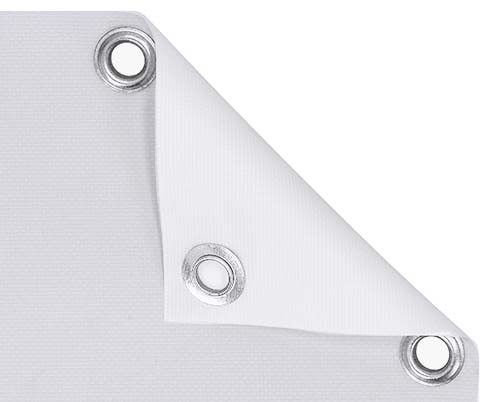
Cut to size + eyelets  Custom
 Backlight banner is designed for advertising media where the print is illuminated from the back. The material transmits light evenly, so colours, text and key visual elements remain visible both during the day and after dark. It is a practical choice for brands that need a readable, illuminated display in retail, service, event or outdoor environments.
What makes Backlight banner suitable for illuminated advertising?
The main advantage of this product is good light transmission. When the print is placed in a backlit frame or display, the graphic remains saturated and legible instead of looking flat or too dark. This makes the material useful for advertising panels, illuminated shop displays, shopping mall communication, showroom branding and outdoor light media.
The banner is printed in UV technology in CMYK colours, with a print resolution of 1000 dpi. This combination supports sharp details and durable colour reproduction for advertising layouts with text, logos and high-contrast visuals. The 500 g/m² material provides a stable base for larger installations, while the B1 material certificate is important for many indoor and public-space applications.
Where does Backlight banner work best?
Backlight banner can be used in both indoor and outdoor illuminated advertising. It is especially useful where the message needs to stay visible after business hours or in spaces with controlled lighting, such as shopping malls, restaurants, beauty salons, swimming pools, petrol stations, trade fairs and retail interiors.
How to choose the right finish?
The finishing method should match the display system and the way the banner will be tensioned or fixed. Available options include custom finishing, cut to size, cut to size with eyelets, Tunnel and Tunnel around. For large illuminated media, the maximum material width of 5.00 m helps reduce the need for joins, which improves the final visual effect and makes the printed surface look cleaner.
- Choose cut to size for frames or systems that hold the material without additional fastening points.
- Use eyelets when the banner must be fixed mechanically to a structure.
- Select Tunnel or Tunnel around when the mounting system requires rods, profiles or tensioning through sleeves.
When ordering a Backlight banner, the most important decision is not only the size of the print, but also the way the graphic will behave after illumination. A design that looks balanced on screen may appear different in a backlit display, so it is worth preparing the file with strong contrast, readable typography and a clear hierarchy of information. This is particularly important for advertising slogans, opening hours, directional messages and logos that must be visible from a distance.
Practical buying and production tips
Backlight banner is often selected for advertising that has to work throughout the day and in the evening. For indoor projects, it can create a decorative lighting effect in shops, restaurants, beauty salons or leisure facilities. For outdoor use, it is suitable for illuminated advertising displays where UV printing and the right finishing support stable exposure in changing conditions.
The material width of up to 5.00 m is useful for larger formats. If the display allows production from one piece, the surface can be prepared without additional welds between printed sections. This is especially valuable in premium retail spaces, showrooms and large street advertising, where visible joins could distract from the message.
What to check before sending the print file?
- Prepare the artwork in CMYK and keep important text and logos within the safe visible area of the display.
- Use sufficient contrast between background, typography and key visual elements, especially for night-time viewing.
- Avoid very thin text or low-contrast details if the banner will be viewed from a distance.
- Confirm the final dimensions and finishing method before production, as tunnels, eyelets or keder tape can affect the usable graphic area.
- If the banner is intended for an existing lightbox or frame, check how the material is fixed and tensioned.
Choosing the finish for the mounting system
Cut to size is usually chosen when the print is inserted into a dedicated frame or clamping system. Cut to size with eyelets works where the banner is attached to a structure with mechanical fixing points. Tunnel and Tunnel around are used when the display requires a sleeve for rods or profiles, helping to tension the material more evenly. Keder tape can be selected for systems designed for this type of edge mounting.
Alternative terms used in the market
Depending on the market and the display system, Backlight banner may also be described as a backlit banner, illuminated banner material or a banner for lightbox displays. These terms usually refer to the same key requirement: a printed material that transmits light from behind and keeps the advertising message readable when illuminated.
Common mistakes to avoid
The most common issue is choosing a standard banner material for a backlit application. A material without good light transmission may make the print look dull or uneven after illumination. Another frequent mistake is selecting the finishing method too late. The mounting system should be considered before production, because it determines whether eyelets, tunnels, keder tape or simple cutting to size will be the most practical solution.