
Monomer foil
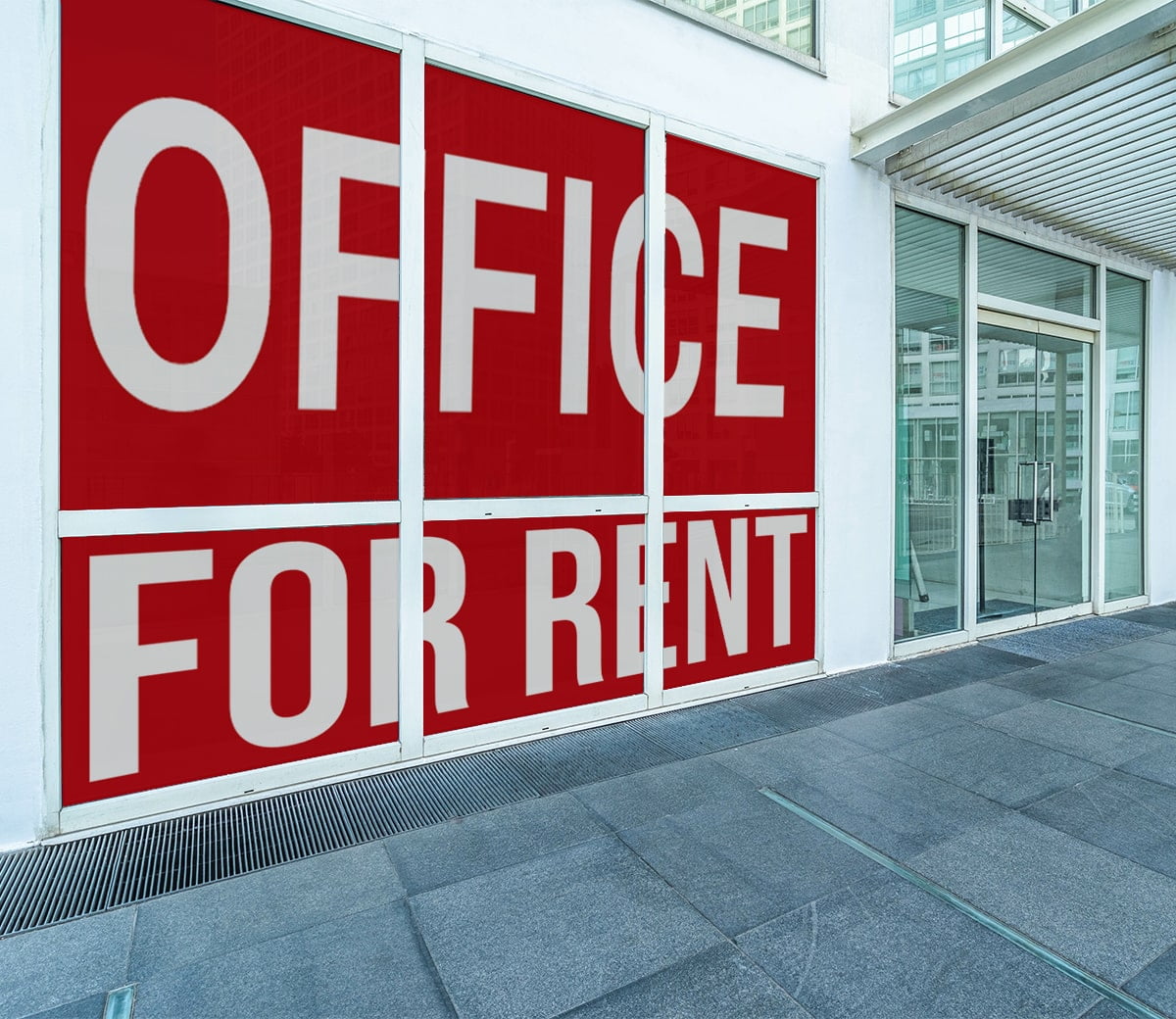
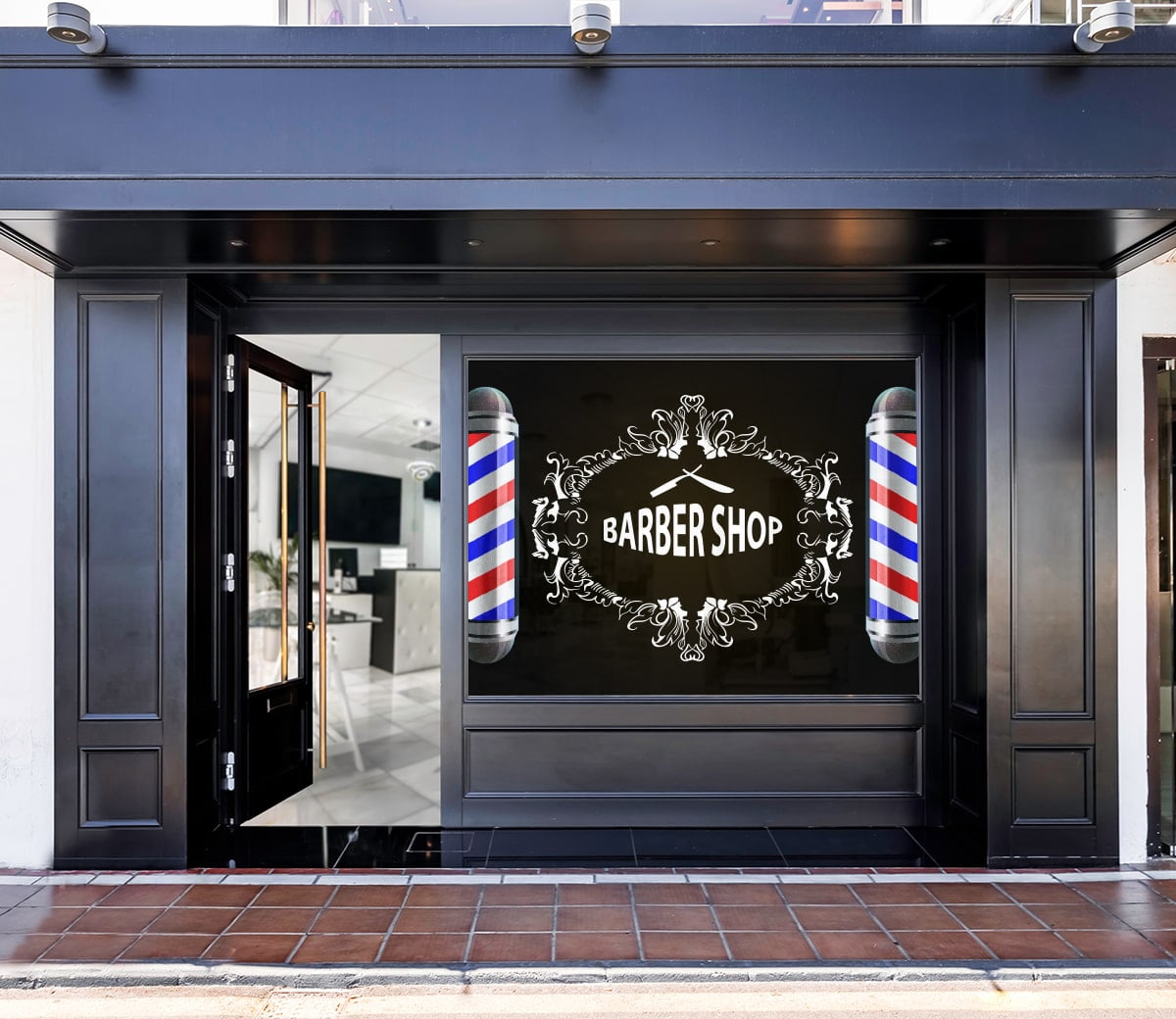
Monomer foil is a self-adhesive material for printed advertising on smooth, rigid and flat surfaces. It is a cost-effective choice for short- and medium-term indoor applications and selected outdoor campaigns, including shop windows, boards, stickers, labels and fair stand elements. The material supports saturated print, can be finished in matt or gloss versions and allows the adhesive type to be adjusted to the exposure conditions.
| Printing technology | UV, Solvent HR, UV flat |
|---|---|
| Thickness | 80/100 μ |
| Print resolution | 1440 dpi |
| Maximum material width | 1,60 m |
| Finish of material | cut to shape, cut to size |
| Properties | mat and shine versions, possibility of adjusting the adhesive to the exposure conditions |
| Intended use | boards, fair stands, flat surface |

Price from: €4,00 /m2


Monomer foil is a practical self-adhesive printing material used for advertising, information and decorative applications on flat surfaces. It is chosen when the project requires clear print, efficient production and easy application to smooth, non-deforming substrates such as boards, windows, display surfaces, furniture fronts or selected flat vehicle panels.
What makes monomer foil useful?
The material is designed for large-format printing where colour saturation, legibility and cost control are important. It is suitable for UV, Solvent HR and UV flat printing, with print resolution up to 1440 dpi. Available thicknesses of 80/100 μ help match the material to the planned use and installation method. The maximum material width is 1.60 m, which is important when preparing files and planning panel divisions for larger graphics.
Where does it work best?
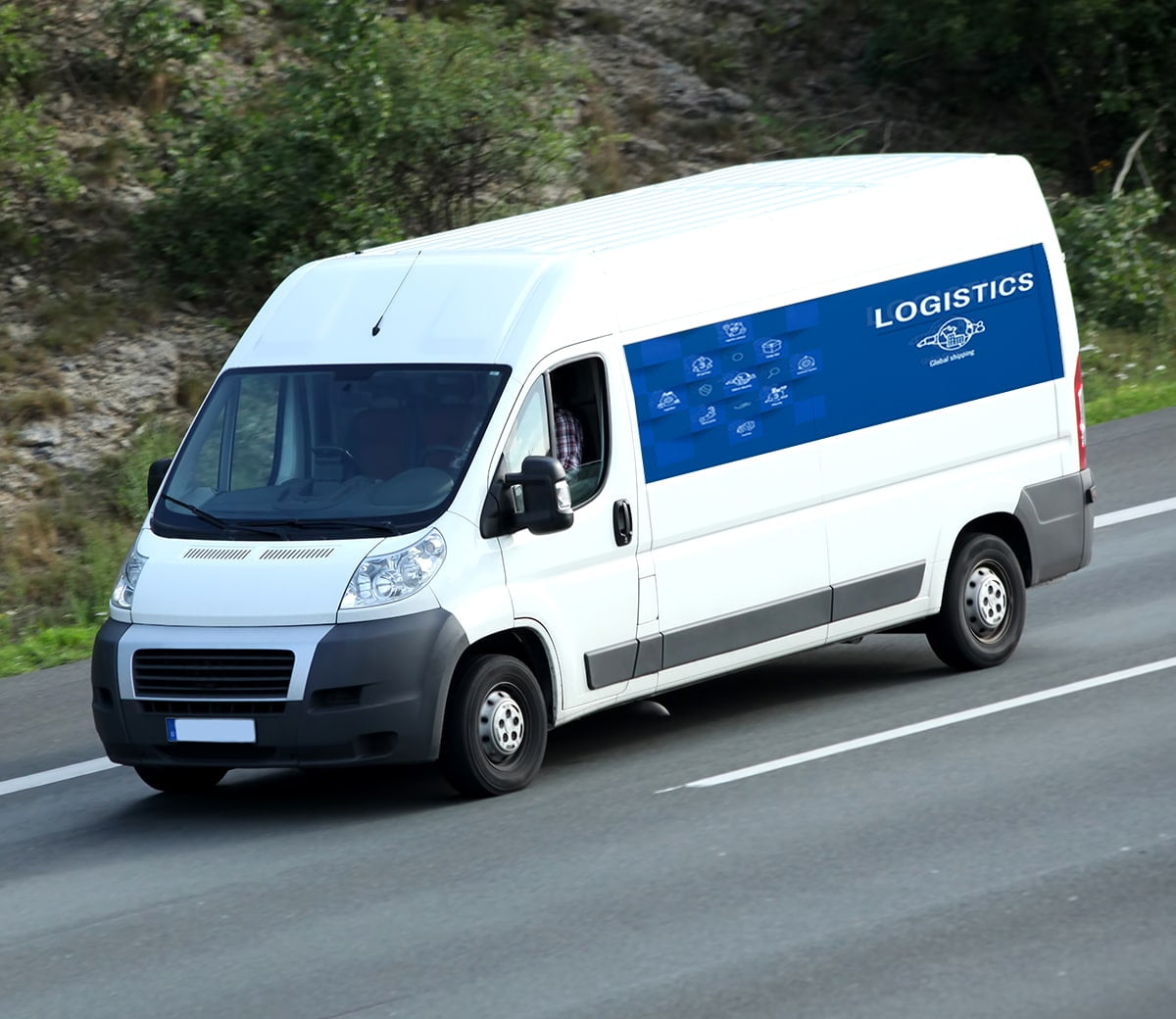
Monomer foil performs best on smooth, rigid and stable surfaces. It is not intended for heavily curved, flexible or deforming substrates, because it does not have the plastic properties required for complex wrapping. For this reason, it is often used for boards, fair stands, flat advertising panels, shop windows, labels, stickers, doors, furniture and flat body parts on vans, trucks or public transport.
How to choose the right specification?
The choice should depend on the place of exposure, expected durability and mounting conditions. The foil can be produced in matt or gloss versions, and the adhesive can be selected according to the substrate and campaign type. Permanent adhesive is useful for long-lasting placement, removable adhesive helps when the graphic will be replaced, and channelled adhesive supports easier application. Grey or black adhesives can help cover an unattractive surface or existing graphics underneath.
- for flat, smooth and rigid substrates,
- for indoor and selected outdoor advertising,
- for boards, windows, stickers, labels and fair stands,
- available with cut-to-size or cut-to-shape finishing,
- can be laminated to improve durability and cleaning resistance.
Practical use and durability
Monomer foil is often selected for campaigns where the surface is flat and the expected exposure time is not very long. In standard outdoor use, monomer foil can be used for approximately one year. When a longer visual life, higher resistance to weather conditions or easier maintenance is required, laminate is recommended. Lamination strengthens the printed surface, helps protect colours against fading and allows cleaning with mild detergents.
On the market, this product may also be referred to as monomeric vinyl, monomeric film or self-adhesive vinyl. These names are commonly used for printed adhesive materials for flat applications, but the key selection criteria remain the same: surface type, exposure conditions, adhesive and finishing.
Choosing the adhesive
The adhesive should be matched to the substrate and the expected replacement cycle. For retail campaigns, temporary signage or seasonal promotions, the option to remove graphics cleanly may be more important than maximum adhesion. For boards, labels or permanent information elements, a stronger adhesive is usually preferred. When the surface underneath is dark, damaged or already printed, grey or black adhesive helps limit show-through.
| Adhesive option | When to choose it | Practical note |
|---|---|---|
| Permanent | For stable graphics that should remain in place | Recommended for boards, labels and long-term indoor applications. |
| Removable | For campaigns that will be replaced | Useful for seasonal promotions, shop windows and temporary displays. |
| Channelled | For easier application on larger flat surfaces | Helps reduce air entrapment during installation. |
| Grey or black | For covering existing graphics or unattractive substrates | Improves opacity where the background could affect the print. |
File preparation and production notes
Before production, check the final size, cutting method and installation direction. Monomer foil can be cut to size or cut to shape, so the file should include the correct contour if custom cutting is required. For larger formats, consider the maximum material width of 1.60 m and plan divisions so that joins fall in less visible or less exposed areas.
- use the correct final scale and include bleed if required by the cutting method,
- avoid choosing monomer foil for complex curves or flexible substrates,
- select laminate when the print will be cleaned or exposed outdoors,
- choose matt finish to reduce reflections or gloss finish for stronger visual contrast,
- make sure the mounting surface is clean, dry, smooth and non-deforming.
Typical ordering mistakes to avoid
The most common issue is choosing the material for a surface that is not suitable for monomer foil, such as a heavily curved element or a substrate that moves and deforms. Another mistake is overlooking the background colour, especially when covering previous graphics. In such cases, the adhesive type is as important as the print itself.