
Citylight paper
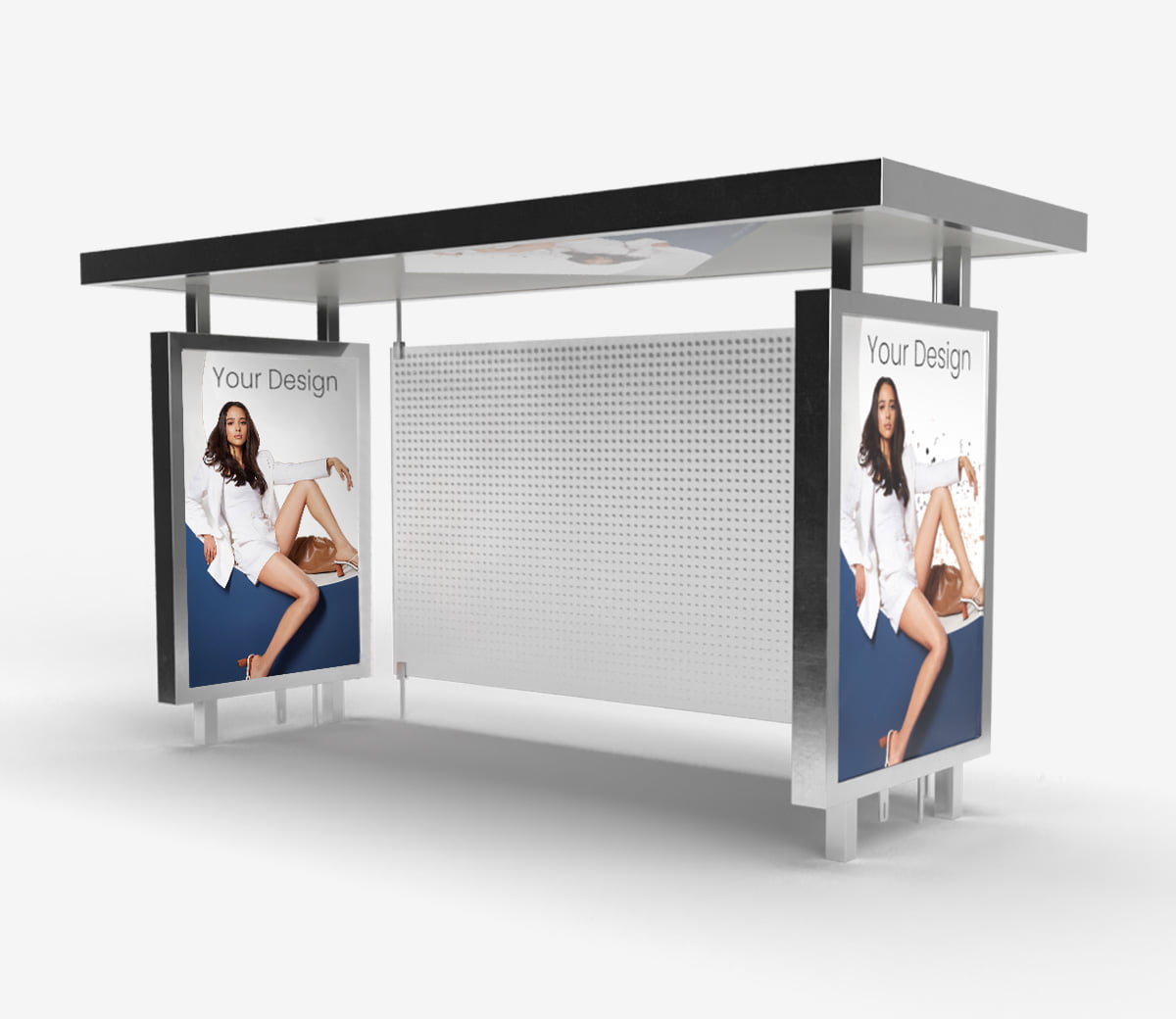
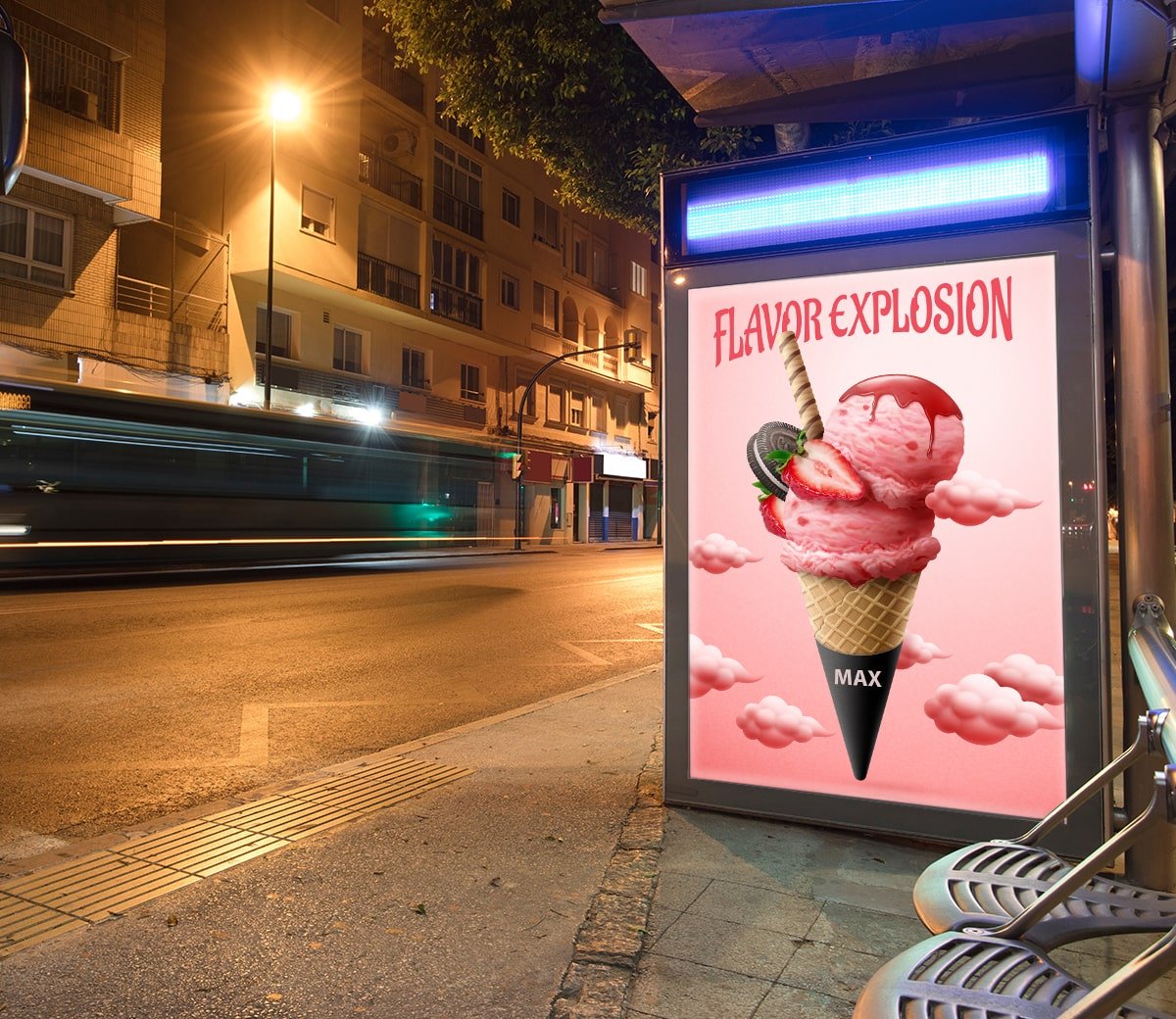
Citylight paper is a 150 gsm satin paper for illuminated advertising in closed lightboxes, including bus shelters, transport hubs and indoor display systems. It is designed for campaigns where backlighting must support high colour visibility and clear message readability throughout the day and evening. The material is an economical choice for citylight posters, retail promotions, information panels and seasonal advertising in high-traffic locations.
| Intended use | illuminated advertisement in closed lightboxes |
|---|---|
| Grammage | 150 g/m² |
| Printing technology | UV, Solvent |
| Print resolution | 1440 dpi |
| Maximum material width | 1,60 m |
| Colours | CMYK |
| Properties | economical material |




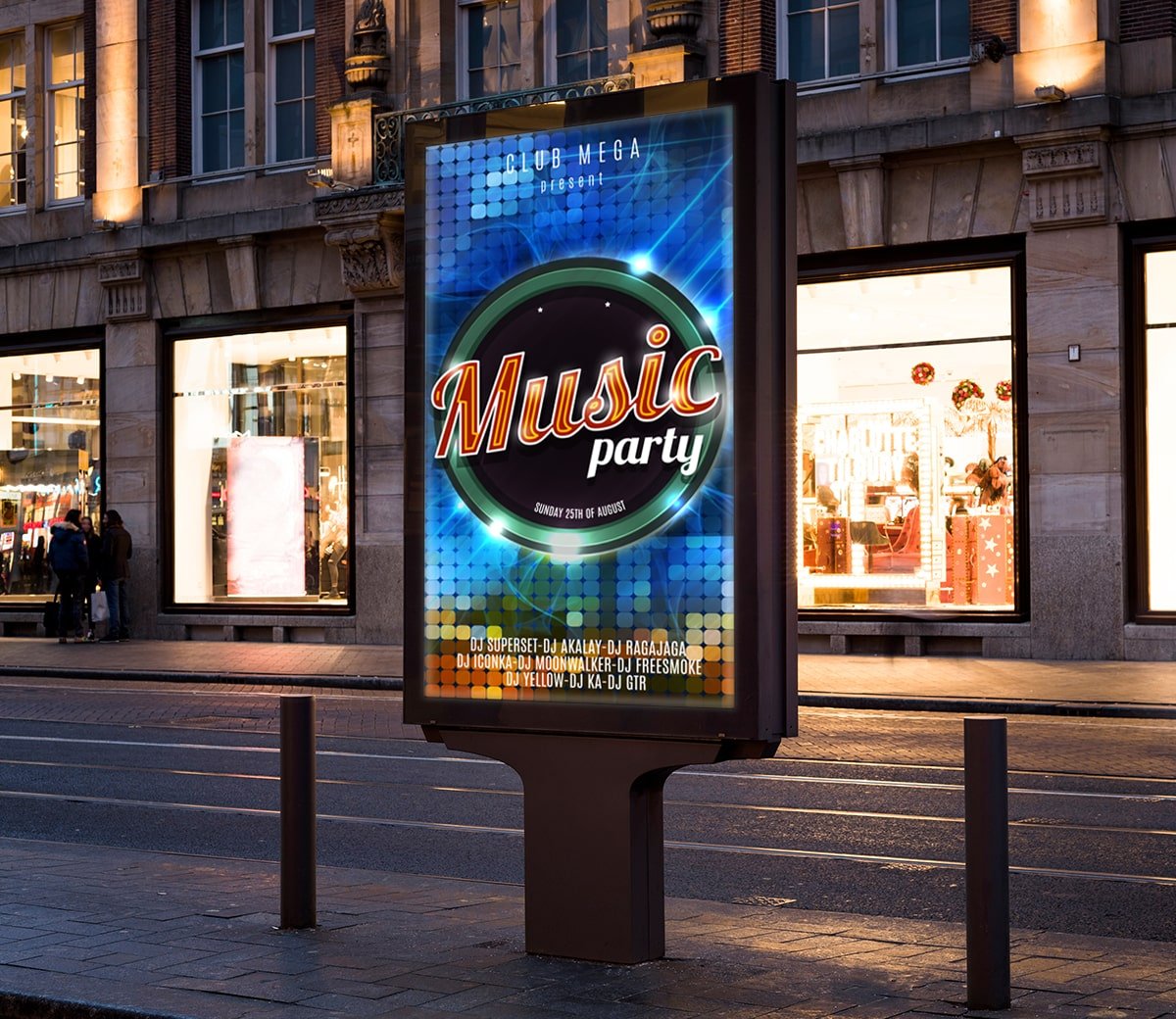
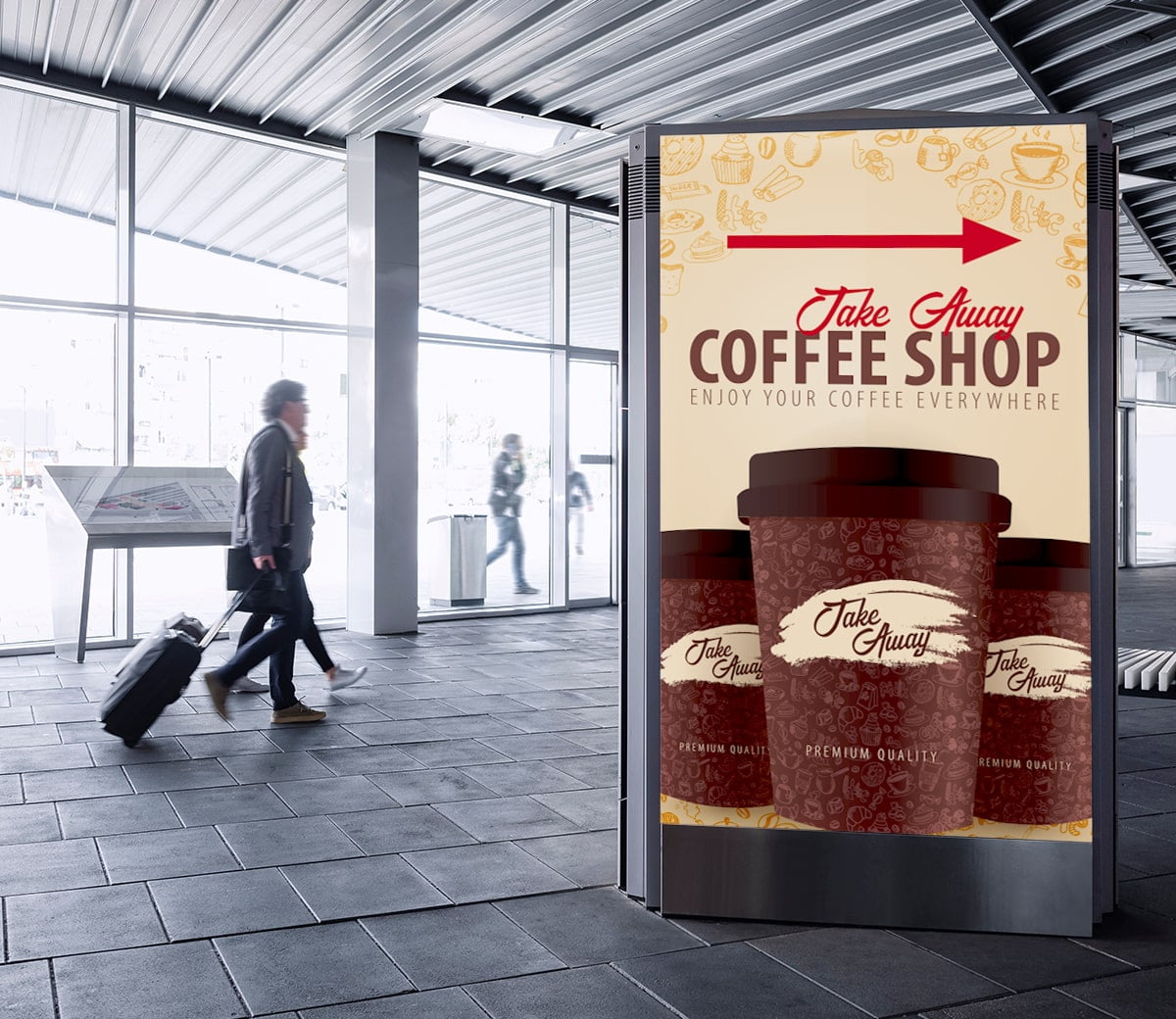
Citylight paper is a print material used for backlit advertising in closed lightbox systems. It is most often selected for citylight displays at bus and tram stops, underground stations, shopping centres, airports and other locations where the message should remain visible after dark. The material supports strong colour reproduction when illuminated, making it suitable for promotional, informational and campaign graphics viewed from a short or medium distance.
What makes Citylight paper suitable for backlit displays?
The key advantage of Citylight paper is its dense, smooth structure. When the poster is placed in a closed lightbox and illuminated from behind, the printed colours and tonal transitions remain clear and visually consistent. The satin finish reduces the overly glossy effect while keeping the surface suitable for sharp printed graphics.
With a grammage of 150 g/m², Citylight paper offers a practical balance between print quality, handling and economical production. It is intended for advertising panels where the print is protected by the display system and used in a controlled, closed environment.
Where is Citylight paper used?
This material is used wherever illuminated poster advertising is part of the visual communication system. Typical applications include city transport advertising, retail promotions, shopping mall campaigns, airport and station information, hotel advertising, restaurant promotions and public information displays. A standard citylight medium is often 1.20 x 1.80 m, which is a common format in urban advertising networks.
Printing and production parameters
Citylight paper is printed in CMYK using UV or Solvent technology, with print resolution up to 1440 dpi. The maximum material width is 1.60 m, which supports production for common citylight formats and other lightbox-based applications. For projects that require stronger colour intensity under illumination, an additional overprint may be selected to enhance the visual effect when backlit.
- for illuminated advertising in closed lightboxes,
- 150 g/m² satin paper with a smooth surface,
- suitable for UV and Solvent printing,
- economical material for high-traffic advertising locations,
- used in transport, retail, hospitality and information systems.
When choosing Citylight paper, the most important factor is the place and type of exposure. The material is intended for closed lightboxes, where the print is installed behind a protective panel and illuminated from inside the system. This makes it a good solution for campaigns that need consistent visibility in urban space, retail environments and transport infrastructure, without requiring a more rigid display material.
How to choose Citylight paper for a campaign?
Citylight paper is suitable when the advertising carrier already provides protection and backlighting. It is commonly used for campaign posters, promotional messages, product advertising, navigation information and public communication. In practice, it works best for medium-term campaigns in locations with regular foot traffic, such as shopping malls, bus shelters, underground stations, hotels, restaurants, showrooms and information points.
On some markets, this type of product may also be referred to as backlit poster paper, citylight poster paper or paper for illuminated advertising panels. These names describe the same functional purpose, but the main product name remains Citylight paper.
File preparation for backlit printing
Backlit materials require careful file preparation because illumination can make weak colours, low-resolution images or insufficient contrast more visible. Artwork should be prepared in CMYK and matched to the final display format. For large citylight formats, it is important to keep key information, logos and legal text at a safe distance from the trim and from any visible frame of the lightbox.
- use high-quality images suitable for large-format printing,
- check contrast between text and background before production,
- avoid placing important content too close to the edge,
- prepare files in the correct scale and orientation,
- consider additional overprint when stronger colour saturation under light is required.
Typical production and installation considerations
Citylight paper is an economical material, but its final effect depends on the quality of the lightbox, the evenness of illumination and the condition of the protective panel. A clean, evenly lit display helps maintain the readability of the message and supports consistent colour perception across the printed surface.
Before ordering, it is worth confirming the exact visible area of the advertising system. Although 1.20 x 1.80 m is a common citylight format, individual panels may require different trimming, bleed or safe area settings. If the print is part of a larger campaign, consistent file preparation across all locations helps avoid differences between individual posters.
When is Citylight paper the right choice?
Choose Citylight paper when you need a printed poster for a closed illuminated panel and want a cost-effective material with good colour visibility. It is particularly useful for campaigns where the same message is displayed in many city locations, retail spaces or transport hubs. For applications exposed outside a closed system or requiring higher mechanical resistance, another material may be more appropriate.