

WW 300 foil
WW 300 foil is a self-adhesive monomeric PVC foil for printed graphics applied to flat surfaces such as walls, concrete, boards and fair stand elements. It is a practical choice when the project requires strong adhesion, clear large-format print and flexible finishing to size or shape. The High-Tack permanent acrylic adhesive supports stable mounting on demanding flat substrates.
| Printing technology | Solvent HR, UV flat |
|---|---|
| Thickness | 100 μ |
| Print resolution | 1440 dpi |
| Maximum material width | 1,52 m |
| Finish of material | cut to shape, cut to size |
| Properties | High-Tack permanent acrylic adhesive |
| Intended use | concrete, walls, boards, fair stands, flat surface |

from €18,08 /m2


WW 300 foil is a self-adhesive monomeric calendered PVC foil designed for large-format printed graphics on flat surfaces. It is used where standard promotional or information materials need stronger adhesion than typical self-adhesive foils can provide, especially on walls, concrete, boards and selected architectural surfaces.
What makes WW 300 foil useful?
The key feature of this material is its High-Tack permanent acrylic adhesive. It helps the foil bond reliably to suitable flat substrates, which is important for wall-mounted branding, information signage, promotional panels and fair stand elements. The 100 μ material thickness provides a solid base for printed applications while keeping the foil suitable for cutting to size or custom shapes.
WW 300 foil supports high-quality graphic reproduction with vibrant colours, making it suitable for visible advertising and interior branding. Printing is available in Solvent HR and UV flat technologies, with print resolution up to 1440 dpi. The maximum material width is 1.52 m, which should be considered when planning large layouts or dividing graphics into panels.
Where is it commonly used?
This foil is selected for projects that require a combination of clear print, flat-surface application and stronger adhesive performance. Typical uses include:
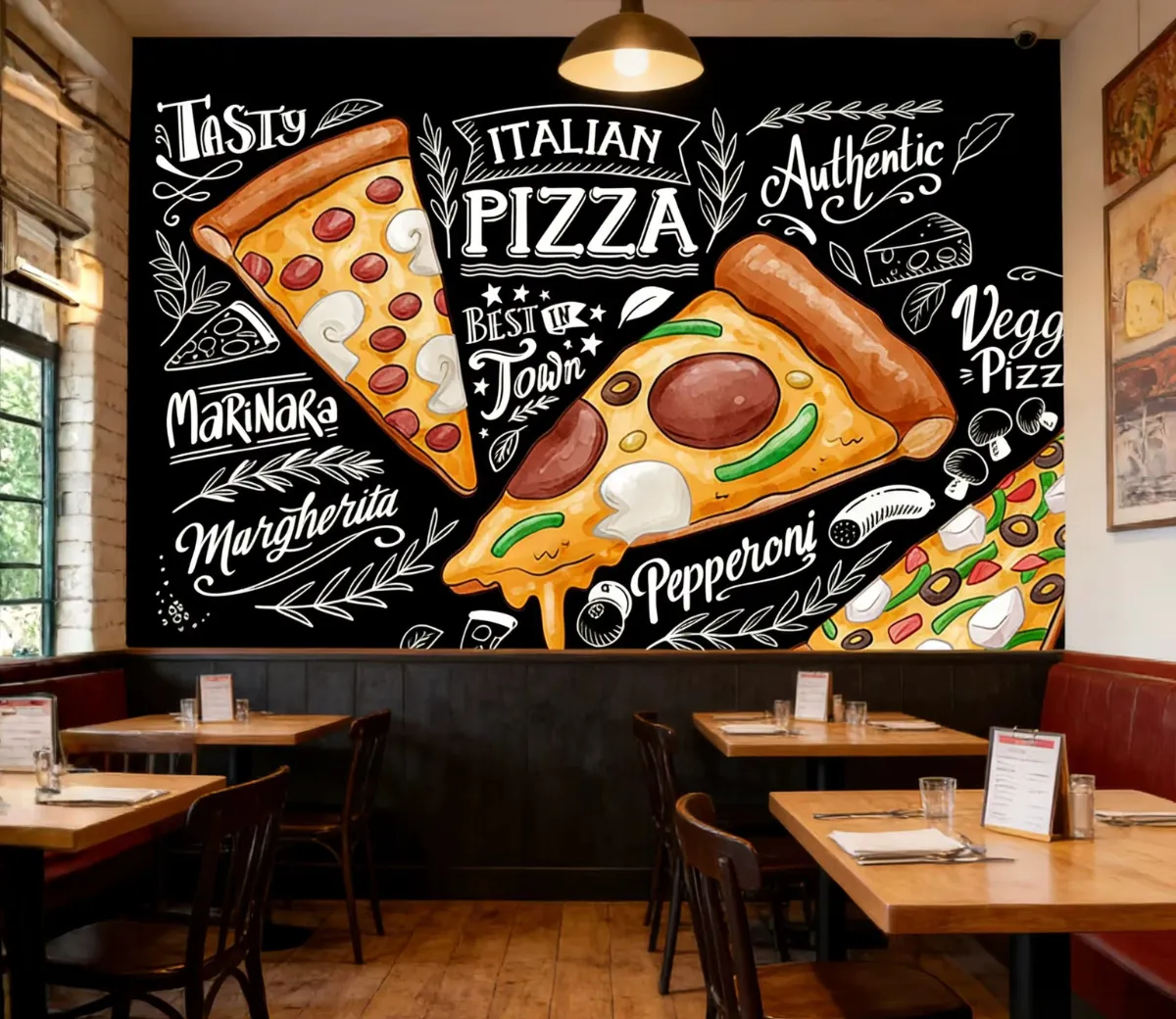
- wall-applied promotional graphics,
- concrete surface applications,
- advertising boards and panels,
- information signage in retail or service spaces,
- fair stand and event branding elements,
- architectural applications on suitable flat substrates.
How to choose this material
Choose WW 300 foil when the substrate is flat and the application requires higher adhesive strength. It is not the same selection as polymeric or cast foils used for long-term exposure, curved surfaces or 3D shaping. For best results, match the design size to the available material width, select cut to size or cut to shape finishing, and plan installation under suitable conditions. The minimum application temperature is +10°C, while the service temperature range is −20°C to +70°C. The material has a B-s1,d0 fire reaction class.
Practical selection and production notes
WW 300 foil is most effective when the project is based on a flat, stable surface and the priority is reliable adhesion combined with good print quality. It is often chosen for branded interiors, temporary or medium-term promotional campaigns, information systems and trade fair environments where graphics need to be mounted directly to boards, walls or concrete.
In everyday ordering language, customers may also refer to this type of material as self-adhesive wall vinyl, wall graphic foil or High-Tack PVC foil. These names can describe similar use cases, but the product reference for this material remains WW 300 foil.
When WW 300 foil is the right choice
- Use it when the graphic will be applied to a flat surface rather than a curved or irregular one.
- Select it when stronger adhesion is required, for example on suitable wall or concrete substrates.
- Choose it for printed promotional graphics, boards, signage and fair stand elements.
- Use cut to size for rectangular formats and cut to shape for custom outlines.
File preparation and finishing
For standard rectangular graphics, prepare the artwork according to the final ordered format or provide a clear scale if the file is supplied reduced. For cut to shape finishing, the cutting line should be prepared as a separate vector contour so the production team can distinguish it from the printed artwork. Keep important text and logos away from the trim edge, especially when the shape is irregular.
If several panels are required because of the maximum material width of 1.52 m, plan the artwork division at the design stage. This helps avoid cutting through key visual elements and supports more predictable installation. For applications where colour consistency is important across multiple panels, provide one complete layout rather than separate, unrelated files.
Installation considerations
The surface should be flat, clean and suitable for adhesive application. Dust, loose paint, moisture, grease or uneven texture can reduce bonding quality, even when a High-Tack adhesive is used. For concrete and wall applications, it is worth checking the surface condition before production and installation, especially in architectural or interior projects where the substrate may vary.
The minimum application temperature is +10°C. Installing below this threshold can affect initial adhesion and make mounting less reliable. After application, the material is intended for use within a service temperature range from −20°C to +70°C. These values help assess whether the foil fits the planned environment, but the final selection should also consider the substrate, exposure conditions and expected use.
Common mistakes to avoid
- Choosing WW 300 foil for curved or highly irregular surfaces instead of a more flexible material.
- Applying the foil to dusty, damp or unstable walls without surface preparation.
- Ignoring panel divisions on graphics wider than the available material width.
- Preparing cut-to-shape files without a clear vector cutting contour.
- Installing the material below the recommended application temperature.