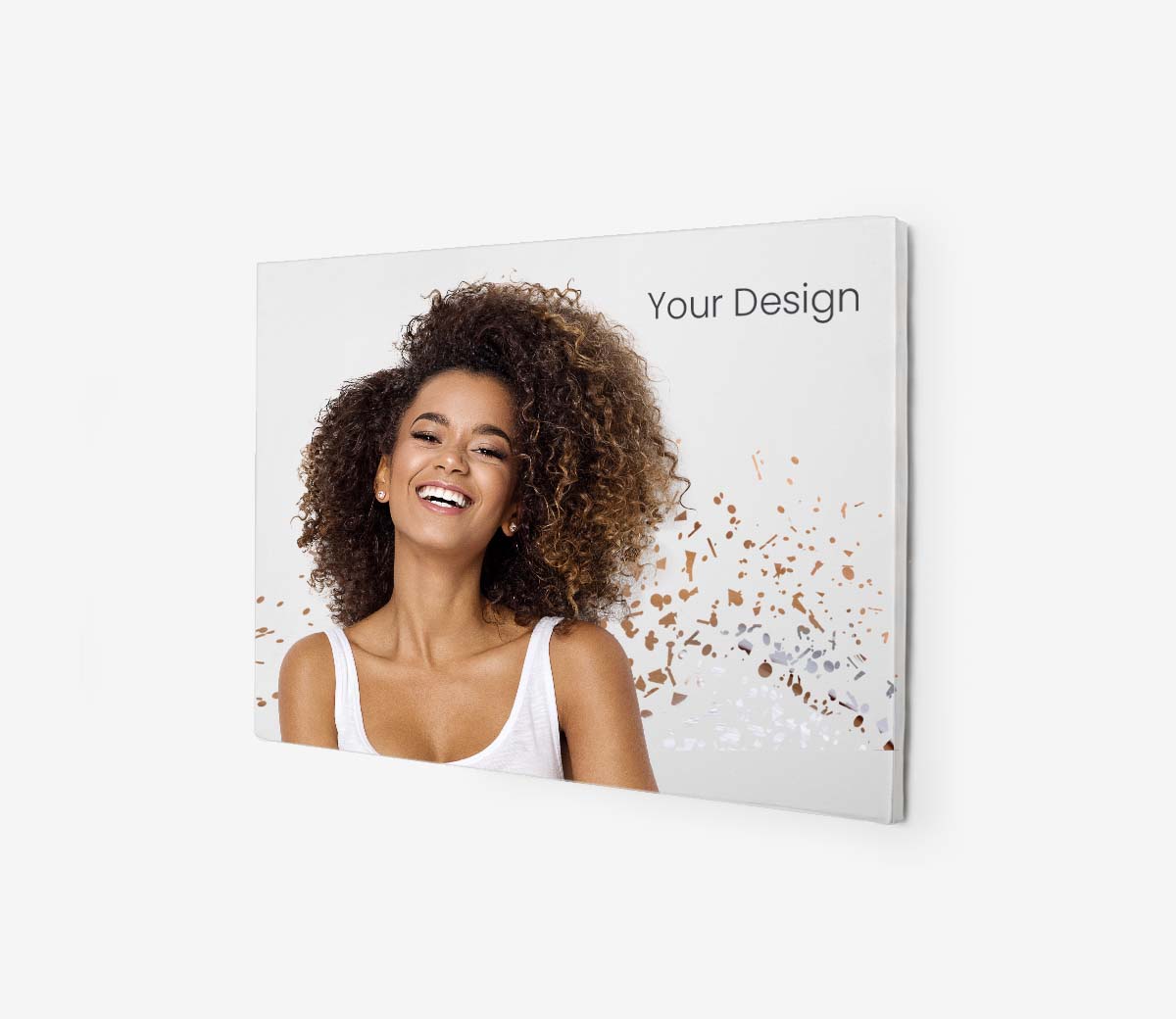
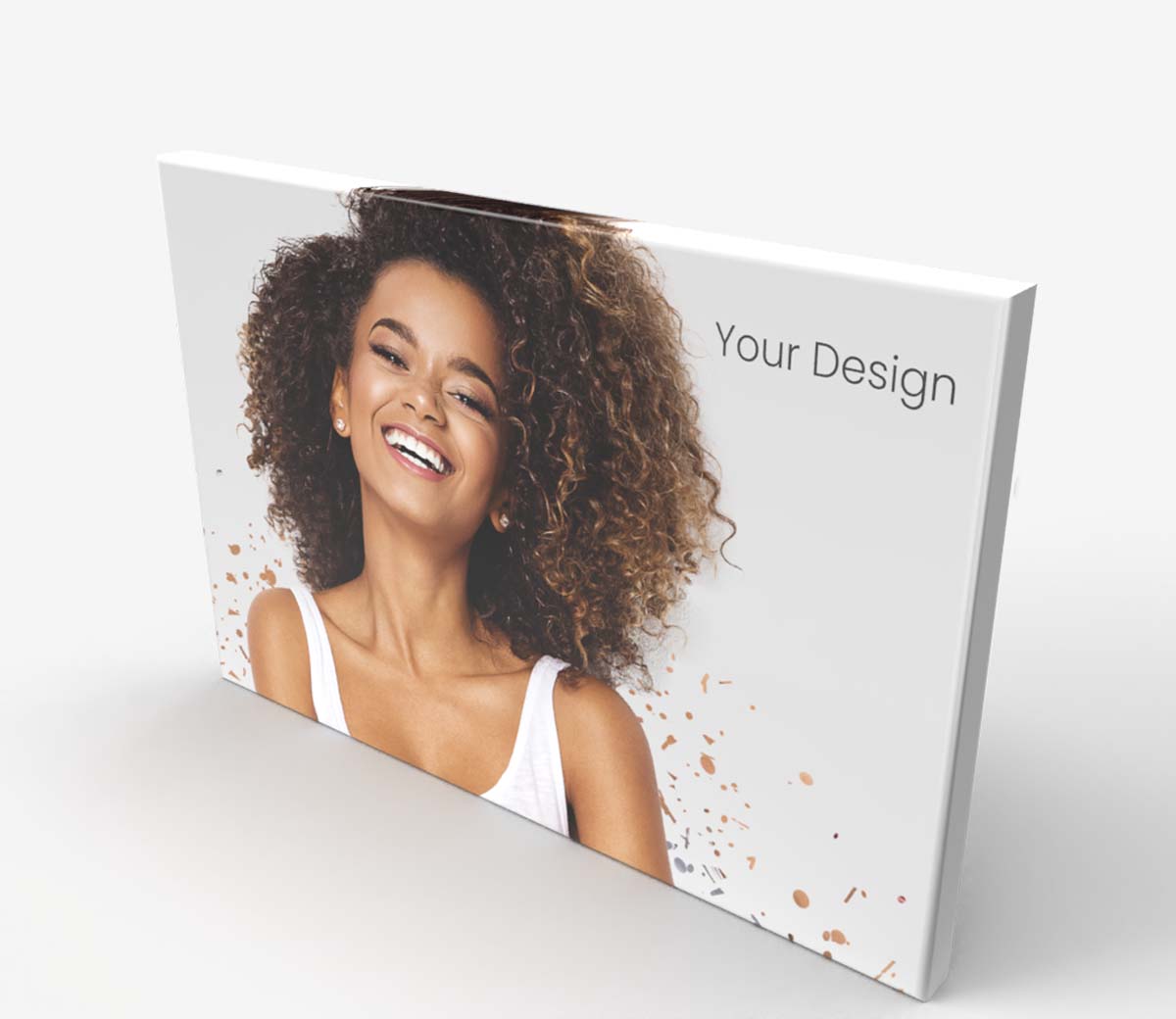


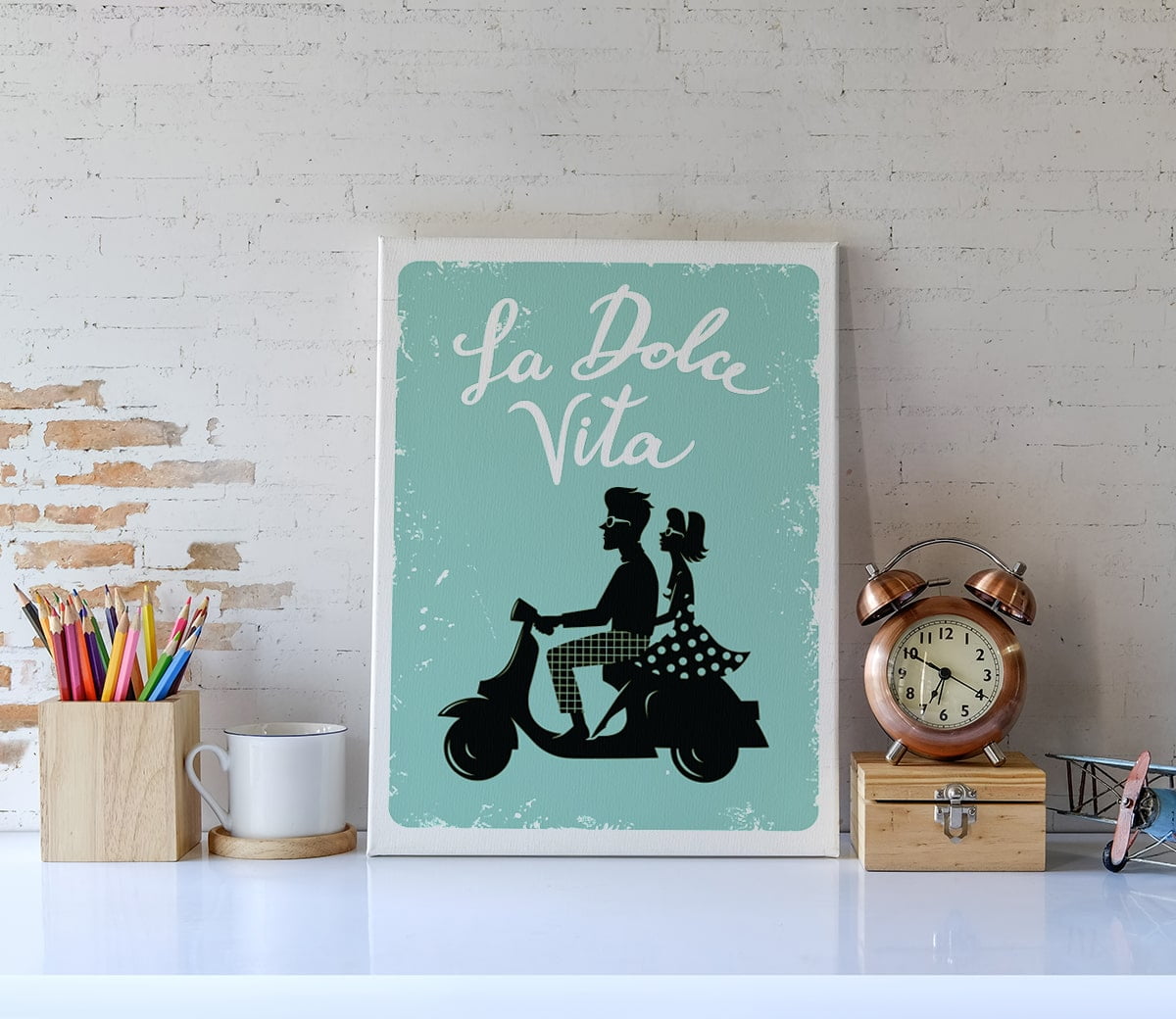
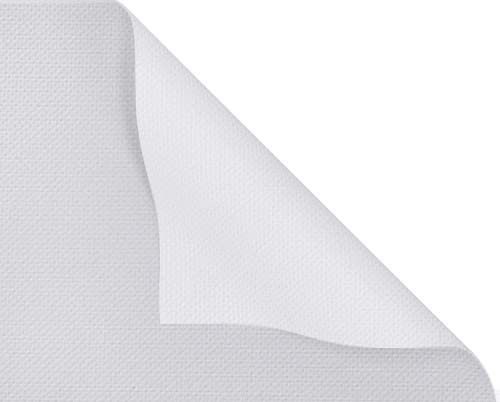
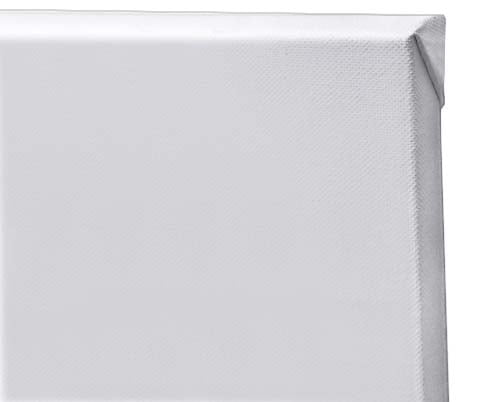
Canvas print
Canvas print is a textile print for decorative images, photo reproductions and interior branding. It is a good choice when a standard poster should be replaced with a more refined, fabric-based finish. The 300 g/m² canvas supports photorealistic CMYK printing with saturated colours and sharp detail, using Solvent or UV flat technology. Prints are produced cut to size, with a maximum material width of 1.52 m.
| Intended use | images printout |
|---|---|
| Grammage | 300 g/m² |
| Printing technology | Solvent, UV flat |
| Colours | CMYK |
| Print resolution | 1200 dpi |
| Maximum material width | 1,52 m |
| Material attestation | B1 |
| Properties | photorealistic picture |
| Finish of material | cut to size |

Price from: €15,90 /m2



Available finishes
Cut to size
Canvas - Stretched on a wooden frame Canvas print is designed for producing decorative images, photo reproductions and visual elements for interiors where the print should look more like a textile artwork than a standard flat poster. The fabric has a structure similar to traditional painting support, which gives printed photos, illustrations and reproductions a distinctive surface and makes it suitable for both private and commercial spaces.
What makes Canvas suitable for interior print?
The material has a weight of 300 g/m², giving it the right stability for cut-to-size textile prints and finished images. Printing in CMYK colours allows for photorealistic reproduction, including smooth tonal transitions, saturated colours and sharp contours. Depending on the production requirements, the print can be made using Solvent or UV flat technology.
Canvas is particularly useful when the visual effect matters as much as the message itself. It works well for photographs, project visuals, illustrations, concept sketches, portfolio presentations and decorative wall graphics. The print resolution of 1200 dpi supports detailed reproduction, which is important for images intended to be viewed from a short distance.
Typical applications
Canvas is used in homes, cafés, restaurants, hotels, offices, medical practices, travel agencies, architectural studios, furniture stores and beauty salons. In commercial interiors, it can support the character of the space, display selected projects or create a more premium visual setting for customers.
- decorative photo and image printouts for interiors,
- reproductions and personalised wall decorations,
- visual presentation of projects, sketches or collections,
- image advertising for showrooms, shops and service points.
Format and finishing options
Canvas is produced cut to size, with a maximum material width of 1.52 m. For orders in the “images” category, the canvas can be stretched on a wooden frame. In that case, available widths are 20, 30, 40, 50, 60, 70, 80, 90, 100, 110 and 120 cm. The material has a B1 flame resistance certificate, which supports safe use in commercial and public interiors.
Canvas print is often chosen when the finished result should combine a decorative textile surface with precise digital reproduction. In everyday use, clients may also refer to this type of product as photo canvas, canvas wall art, canvas picture or printed canvas. These names describe the same general idea, but the key purchasing decision should still be based on the required size, finishing method, print file and place of installation.
How to choose the right Canvas option
If you need only the printed textile, choose a cut-to-size Canvas print. This option is suitable when the material will be used in your own mounting system, as part of a larger display, or when the print will be framed or finished later. If you want a ready decorative product, the version stretched on a wooden frame is the more practical choice for wall display.
The maximum material width is 1.52 m, so very wide compositions should be planned with this production limit in mind. For framed images in the “images” category, select one of the available widths: 20, 30, 40, 50, 60, 70, 80, 90, 100, 110 or 120 cm. The right size depends on viewing distance, wall space and the role of the print in the interior.
Where Canvas works best
Canvas is suitable for spaces where decoration and visual identity are part of the customer experience. Hotels and restaurants can use it for atmosphere-building wall decoration. Architectural, fashion and automotive businesses can present projects, mood boards or selected collections. Retail stores and service points can use Canvas as a more elegant alternative to standard advertising posters.
- choose larger formats for open walls and reception areas,
- use framed Canvas for a finished gallery-style effect,
- select cut-to-size Canvas when further mounting is planned,
- prepare photographic files with attention to detail and tonal transitions.
File preparation and production notes
For the best result, prepare the artwork in the correct target size and CMYK colour mode. Use high-quality source images, especially for portraits, product visuals and detailed reproductions. Low-resolution files may look acceptable on screen but can lose sharpness when printed at larger size.
When ordering a Canvas stretched on a wooden frame, remember that the edge area may be affected by wrapping and tensioning. Avoid placing important text, logos or critical image details too close to the outer edge of the design. For decorative photos and reproductions, leave a safe visual margin so the main subject remains well positioned after finishing.
Common selection mistakes
The most common issue is choosing a format without considering the final installation method. A cut-to-size print and a stretched framed image serve different purposes. Another mistake is using files intended for small-format printing in large-format production. To maintain a photorealistic result, match the artwork quality to the planned size and viewing distance.
Canvas is B1-certified for flame resistance, which is important for many commercial interiors, showrooms and public-facing spaces. This makes it a practical decorative and image-advertising medium where both appearance and material suitability matter.