



Mesh flag
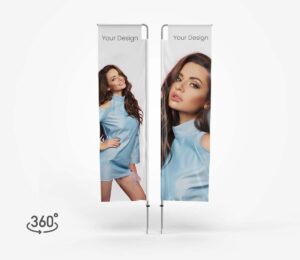
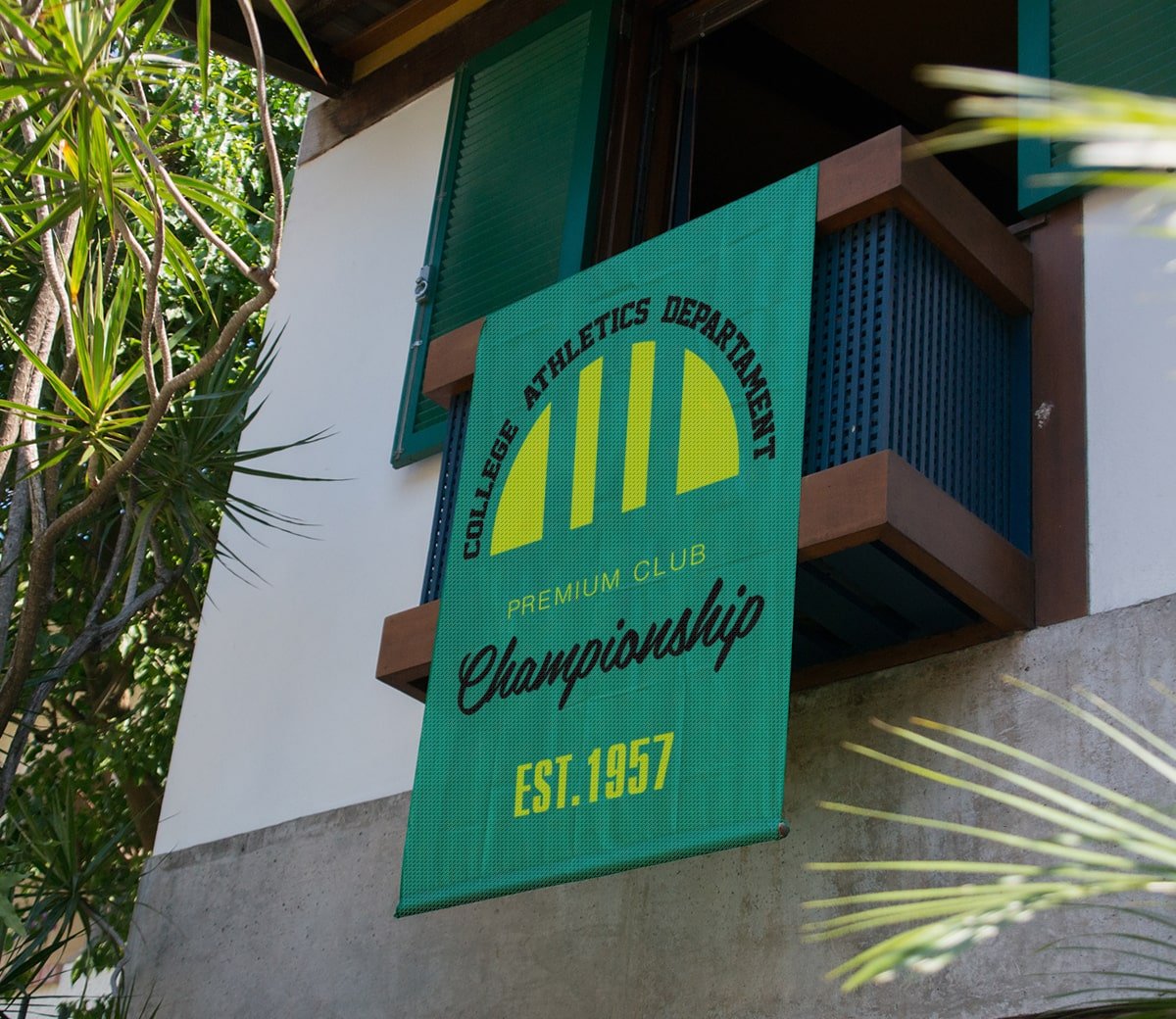
Mesh flag is a perforated polyester material for advertising flags used on masts, beach flag systems and event barriers. Its air-permeable structure helps reduce wind load, making it a practical choice for exposed outdoor locations. The 115 g/m² fabric is printed by sublimation, supports saturated colours and can be finished to match the mounting method, including cut-to-size, stitched edges, reinforcing tape with eyelets or a tunnel with rope.
| Grammage | 115 g/m² |
|---|---|
| Printing technology | Sublimation |
| Print resolution | 1200 dpi |
| Maximum material width | 3,20 m |
| Material attestation | B1 |
| Finish of material | cut to size, sewn in reinforcing tape + eyelets, stitched edges, tunel with rope |
| Properties | air permeable, economical, for windy areas |

Price from: €4,50 /m2



Available finishes
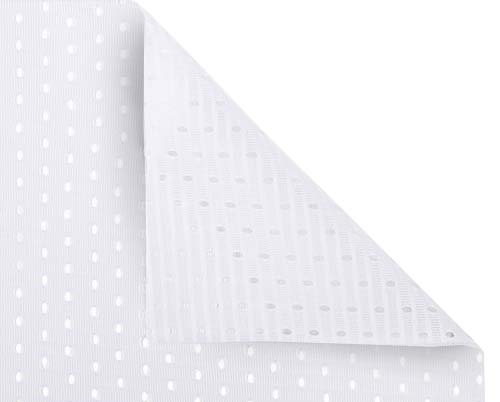 Cut to size
 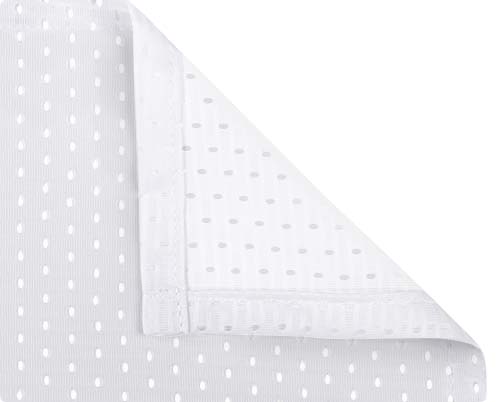 Stitched edges
 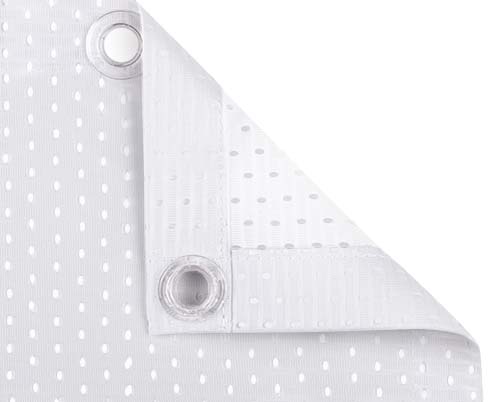 Sewn in reinforcing tape + eyelets
 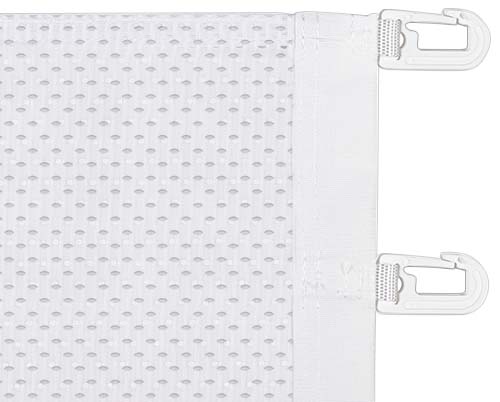 Sewn in reinforcing tape + hooks
 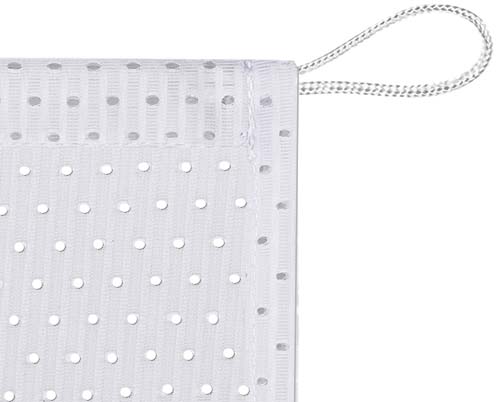 Tunel with rope
  Custom
 Mesh flag is a 115 g/m² polyester fabric designed for printed advertising flags and textile displays used in windy conditions. The material has a perforated, air-permeable structure that allows wind to pass through more easily. This helps reduce stress on the flag, mast or barrier system and supports stable outdoor exposure where standard flag fabric may be more exposed to gusts.
What makes Mesh flag suitable for windy locations?
The key feature of Mesh flag is its combination of low weight and improved air permeability. It is used when the print needs to remain visible while the carrier is exposed to changing weather conditions, for example on advertising flagpoles, beach flag systems or promotional graphics mounted on event barriers. The fabric flies freely in the wind, which makes the message dynamic and noticeable without adding unnecessary load to the structure.
Print quality and safety in use
Mesh flag is printed using sublimation technology, which supports durable colour reproduction and high colour saturation on polyester textile. The print resolution is 1200 dpi, allowing clear branding, logos and informational graphics. The material also has a B1 flame retardant certificate, confirming compliance with DIN 4102 safety standards. This makes it suitable not only for outdoor advertising, but also for trade fairs, events and indoor installations where certified materials may be required.
How to choose the right finishing?
The finishing should be selected according to the planned mounting method, the size of the print and the construction of the display system. Available finishing options include:
- cut to size for standard flag applications,
- sewn-in reinforcing tape with eyelets for secure fixing,
- stitched edges to improve edge stability,
- tunnel with rope for selected mounting systems.
The maximum material width is 3.20 m. For larger or non-standard projects, the final specification should be matched to the carrier, expected exposure conditions and installation method.
When is Mesh flag the right material?
Mesh flag is worth choosing when a printed textile will be displayed in an open area and the main challenge is wind exposure. Typical applications include advertising flagpoles near roads, car dealerships, retail zones, entrances to event areas, outdoor fairs and temporary promotional spaces. The perforated structure reduces the pressure created by gusts, which can help protect both the print and the carrier system from excessive load.
This material is also used for promotional and informational panels on event barriers. In this application, air permeability is important because long runs of printed fabric can act like a sail if the material is too closed. Mesh flag allows wind to pass through more freely, while still presenting the printed message in a visible and professional way.
Practical guidance for selecting finishing
The finishing should follow the way the print will be installed. A flag mounted on a mast requires a different construction than a graphic fixed to a barrier or tensioned with eyelets. Before production, it is useful to define the carrier type, expected size, exposure period and whether the installation will be temporary or repeatedly used.
- Choose cut-to-size finishing when the print will be used in a system that does not require additional sewing or fixing points.
- Select stitched edges when the perimeter of the fabric needs extra stability during handling and installation.
- Use reinforcing tape with eyelets where the print must be attached with cords, hooks or cable ties.
- Choose a tunnel with rope when the construction of the carrier requires this method of mounting.
File preparation and production notes
For the best production result, the artwork should be prepared with the final mounting method in mind. Important text, logos and QR codes should not be placed too close to areas that will be stitched, fitted with eyelets or formed into a tunnel. This helps avoid covering essential information during finishing. If the print is used on a flag system, consider how the fabric will move in the wind and keep the layout clear and easy to read from the intended viewing distance.
Sublimation print on polyester supports strong colour saturation, but the perforated structure can influence how fine details are perceived from close range. For outdoor flags and barrier graphics, simple layouts, clear contrast and appropriately sized lettering usually work better than very small elements.
Terminology used for this product
In customer enquiries, Mesh flag may also be described as perforated flag fabric, air-permeable flag material or mesh flag banner. These terms refer to the same practical need: a textile print for advertising displays where wind passage and reduced load on the structure are important. The main product name remains Mesh flag, especially when specifying material, print technology and finishing options for production.