
Mesh banners
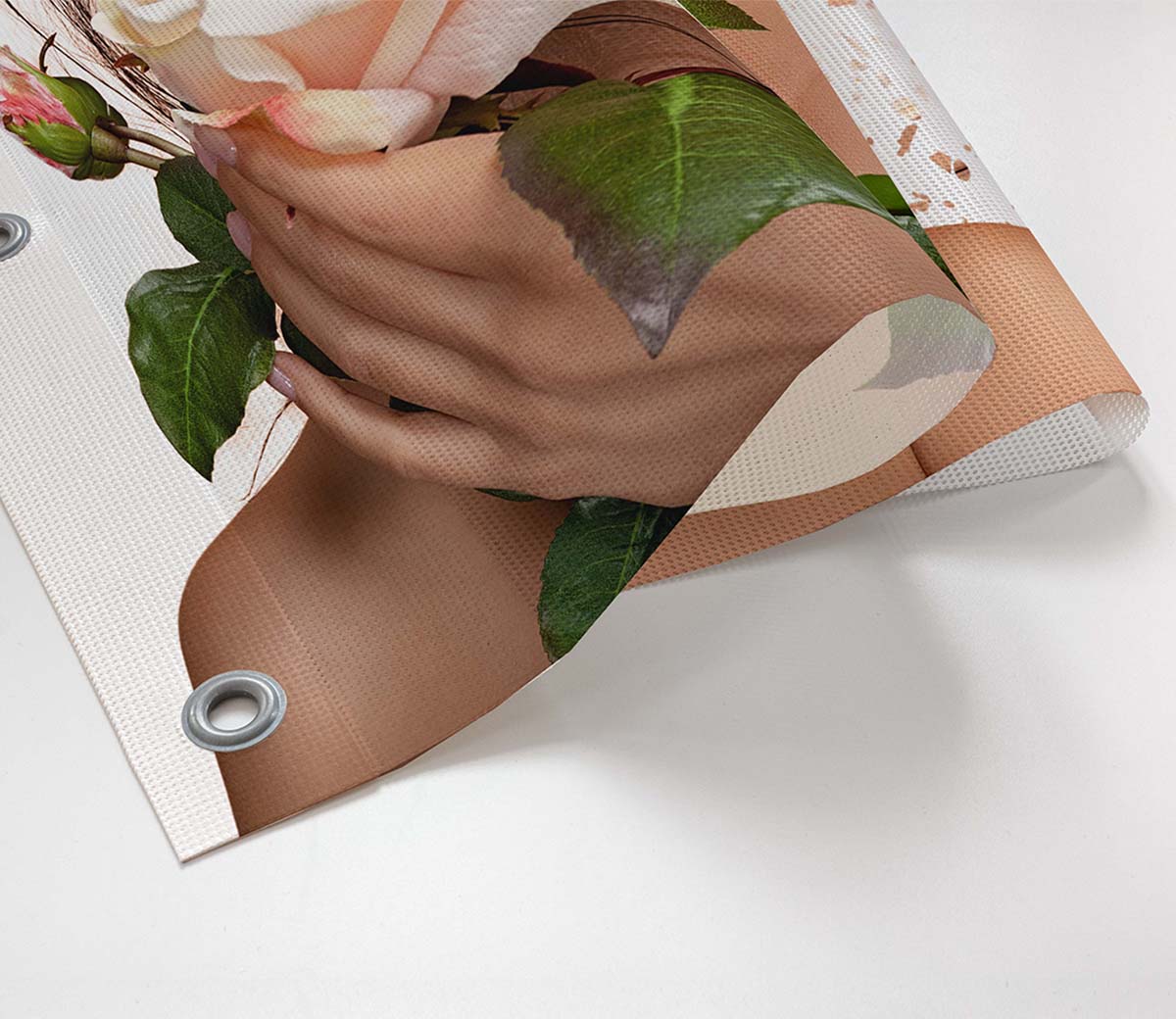
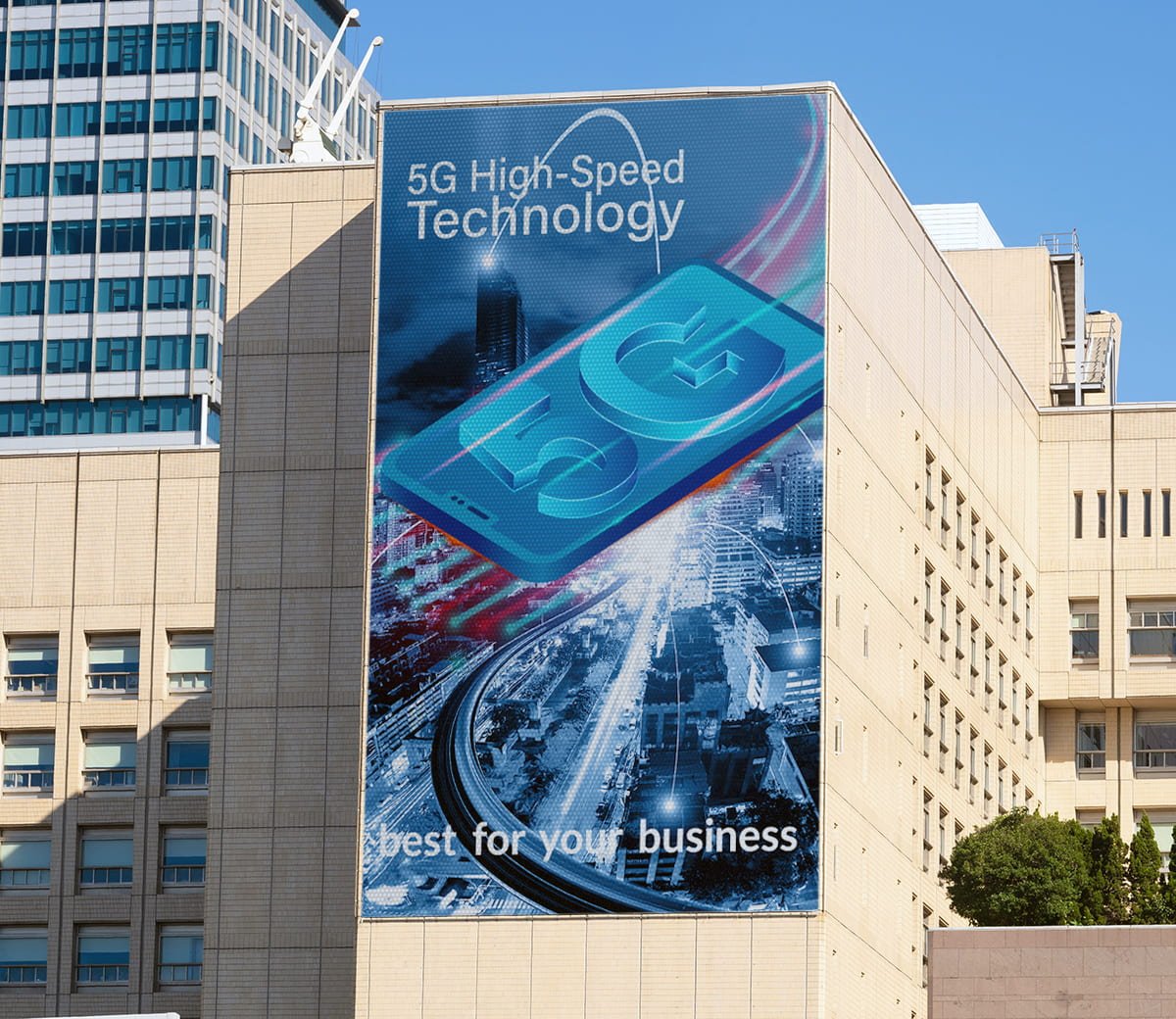
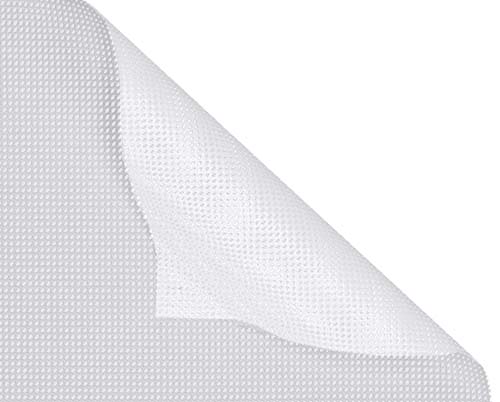
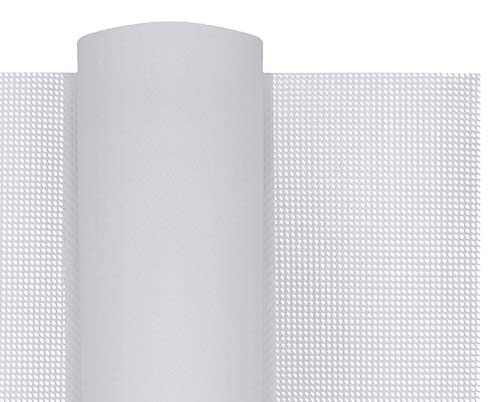
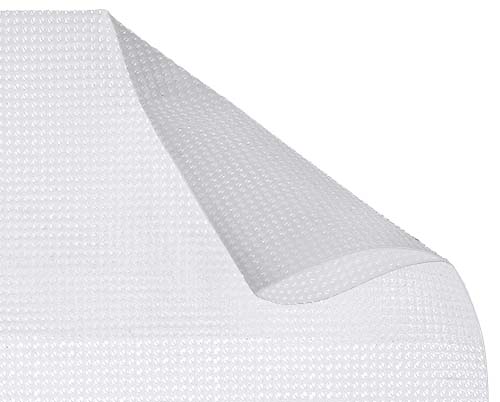
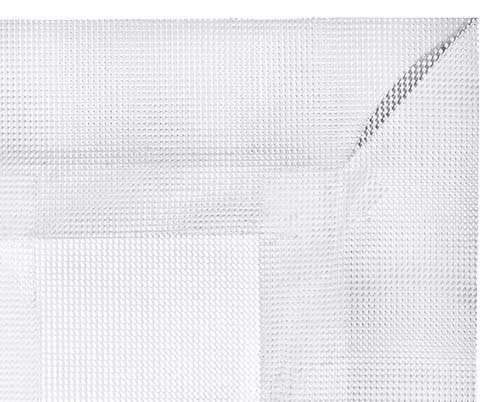
Mesh is a perforated PVC banner material for large-format outdoor advertising, especially on scaffolding, facades and fences. Its open structure reduces weight and lets wind pass through the surface, helping to limit load on the installation. Compared with a standard Frontlit Banner, Mesh is lighter, which makes it a practical choice for large prints exposed in open or windy locations.
| Grammage | 270 g/m², 330 /m² |
|---|---|
| Printing technology | UV |
| Colours | CMYK |
| Print resolution | 1000 dpi |
| Maximum material width | 5,00 m |

Price from: €3,90 /m2



Available finishes
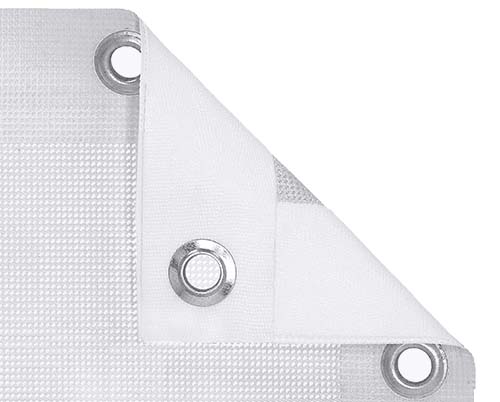
Welding + eyelets
Tunnel Omega
Tunnel
Tunnel around
Cut to size + eyelets
Cut to size  Custom
 Mesh is a perforated PVC material used for large-format banners where low weight, wind permeability and stable outdoor exposure are important. It is designed for UV printing in CMYK and is suitable for advertising on scaffolding, building facades, fences and other large surfaces where a standard full PVC banner could create too much load.
Why choose Mesh for large-format advertising?
The key advantage of Mesh is its perforated structure. Small openings in the material reduce the overall weight of the print and allow air to pass through the surface. This is important on large elevations and in open spaces, where wind pressure can increase tension on the banner and on the fixing points.
Mesh is lighter than a standard Frontlit Banner by approximately 120–150 g/m². The difference becomes significant on large projects. For example, a 20 × 5 m banner printed on Frontlit Banner material would weigh around 45 kg, while the same size produced on Mesh would weigh around 33 kg. On larger formats, this reduction can noticeably affect handling, installation and the load placed on the structure.
Typical applications
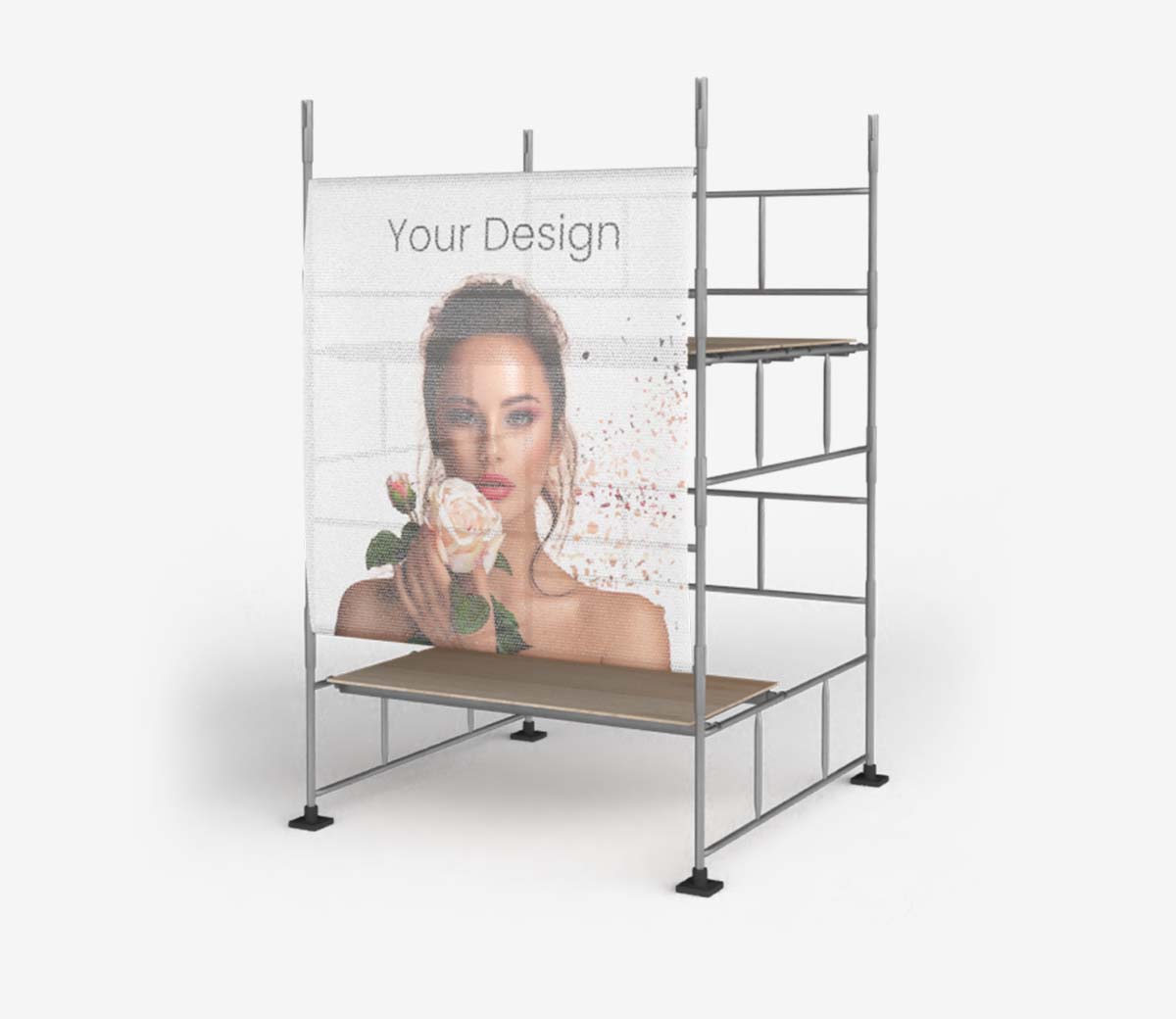
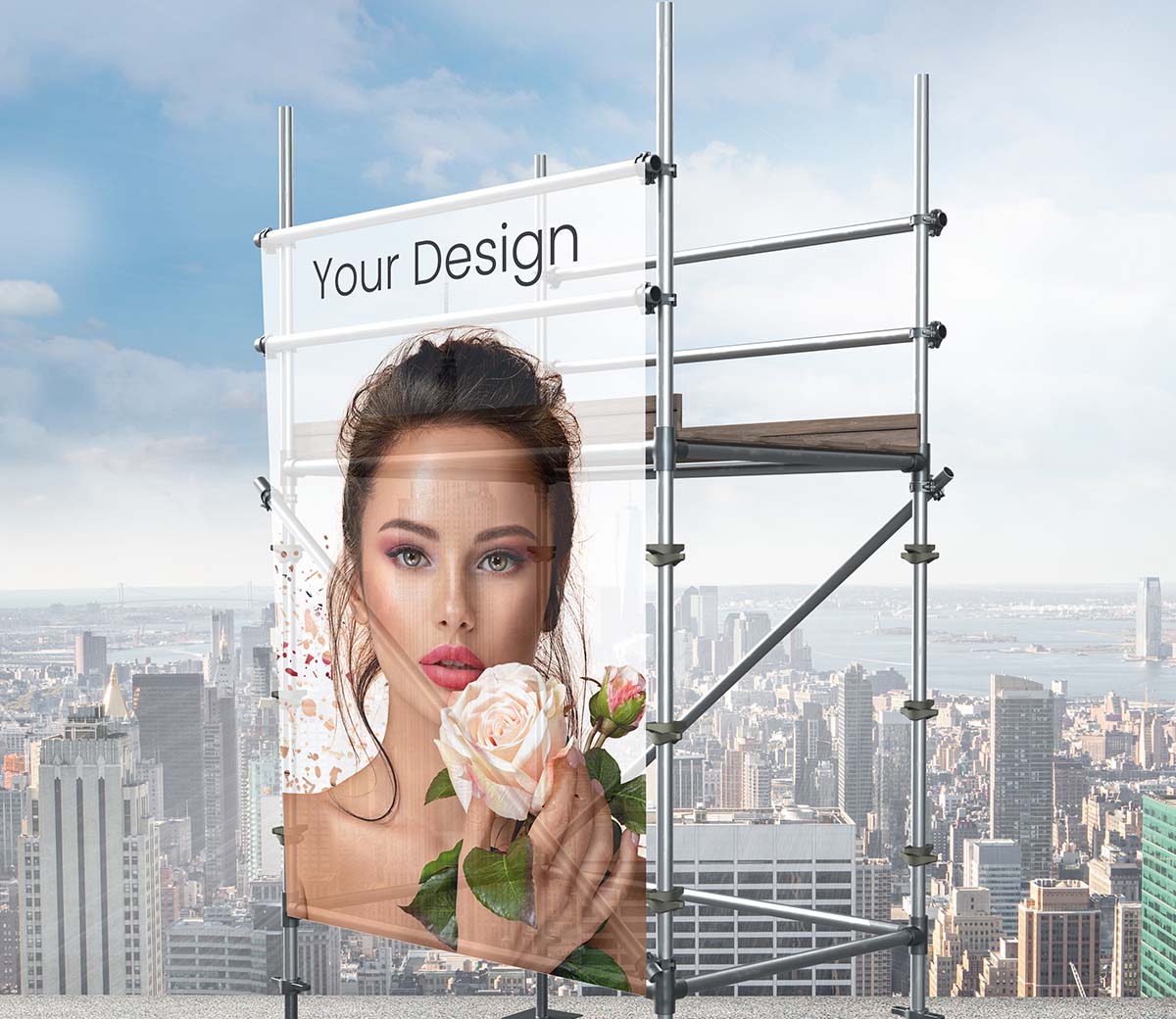
Mesh is often selected for building renovation sites, scaffold advertising, facade wraps, temporary outdoor campaigns and fence banners. Its air permeability reduces susceptibility to tearing in windy conditions and helps maintain a safer, more practical installation on exposed structures.
- large-format banners mounted on scaffolding and facades,
- advertising on fences and open outdoor structures,
- campaigns in locations exposed to wind gusts,
- longer-term construction site branding and renovation covers.
How to select the right specification
Mesh is available in 270 g/m² and 330 g/m² grammages. The choice should depend on the size of the print, exposure conditions and the expected intensity of use. Printing is produced in UV technology with CMYK colours and up to 1000 dpi resolution. The maximum material width is 5.00 m, which supports efficient production of large-format projects.
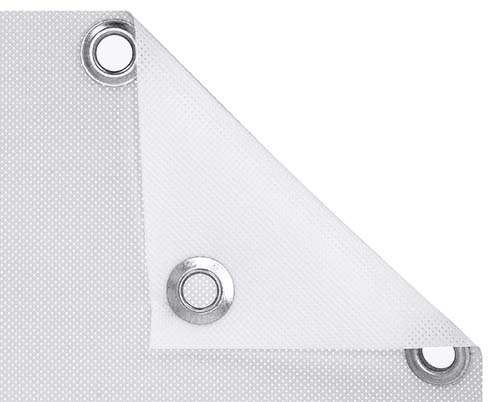
Finishing should be matched to the mounting method. A welded edge with eyelets is a common solution. For very large prints, additional edge reinforcement or omega-type stabilising belts can help improve installation stability.
When planning a Mesh banner, the most important decisions are the final size, exposure location, expected wind load and the way the print will be mounted. Because Mesh is used mainly on large outdoor surfaces, the specification should be selected not only for the visual effect, but also for safe handling and practical installation.
Where Mesh works best
Mesh is well suited to places where a large advertising surface is required but a full, non-perforated banner could be too heavy or too sensitive to wind. It is often used on scaffolding during facade renovation, where the perforation allows part of the daylight to reach the rooms behind the structure. This can be important when the works last for a longer period.
The material is also practical for fence advertising, temporary event branding and outdoor campaigns mounted in open areas. In many markets, this product may also be referred to as a scaffold banner, mesh banner or perforated banner. These names describe the same type of advertising material, but the main product specification remains Mesh.
Choosing grammage and finishing
The available grammages, 270 g/m² and 330 g/m², make it possible to adjust the material to the project. For very large formats or more demanding exposure, the heavier option may be considered. For projects where reduced weight is a priority, the lighter grammage can support easier handling and lower load on the mounting structure.
- choose the grammage according to banner size, installation time and exposure conditions,
- use welded edges with eyelets for standard mounting on fences or scaffolding,
- consider reinforcing tape for large prints and high-tension installations,
- use omega-type stabilising belts where additional support is needed.
File preparation and production notes
Mesh is printed using UV technology in CMYK, with a print resolution of up to 1000 dpi. For large-format projects, artwork should be prepared with the viewing distance in mind. Very small text, thin lines and low-contrast details may be less effective on large outdoor banners, especially when viewed from street level or from a distance.
It is also worth checking the position of important logos, text and call-to-action elements against the planned finishing. Eyelets, welded edges, tunnels or stabilising belts should not interfere with key visual elements. Safe margins around the design help avoid covering important content during production and installation.
Common selection mistakes
A frequent mistake is choosing a full banner material for a very large, windy location without considering the load on the structure. Another issue is preparing artwork with too many small details, which reduces readability in outdoor conditions. Mesh is most effective when the design is clear, high-contrast and adapted to the expected viewing distance.
Before ordering, confirm the installation method, available fixing points and whether additional reinforcement is needed. This helps match the material, finishing and print layout to the real conditions on site.