
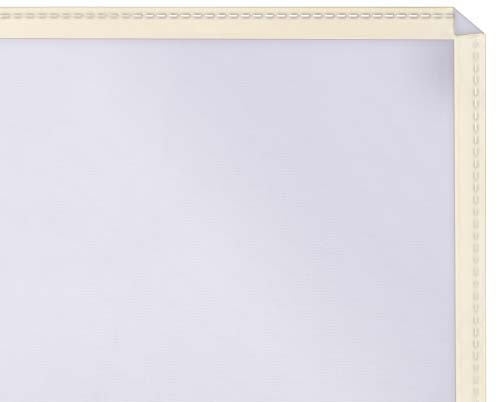
Textile Backlit
Textile Backlit is a 270 g/m² polyester fabric for printed graphics designed to be illuminated from behind. Its dense weave, flexibility and sublimation print compatibility make it suitable for lightboxes, ZEN aluminium frames, exhibition walls and trade fair structures. Choose it when you need vivid colours, clear details and a fabric that can be tensioned cleanly in backlit display systems.
| Grammage | 270 g/m² |
|---|---|
| Printing technology | Sublimation |
| Maximum material width | 3,10 m |
| Material attestation | B1 |
| Finish of material | cut to size, sewn in reinforcing tape + eyelets, Silicone keder, stitched edges, Tunnel |
| Properties | dense weave |

Price from: €9,50 /m2



Available finishes
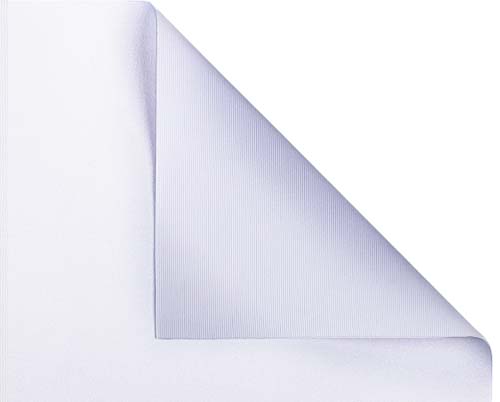
Cut to size
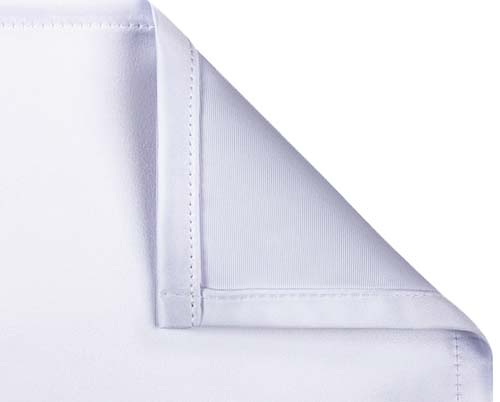
Stitched edges
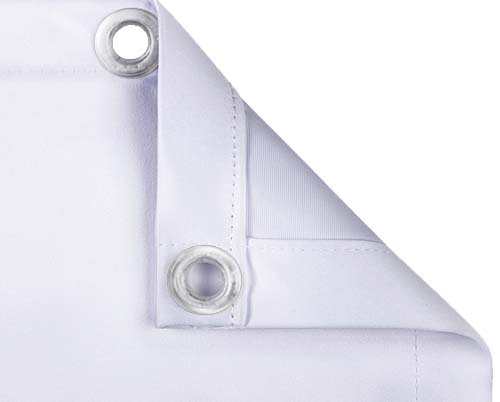
Sewn in reinforcing tape + eyelets
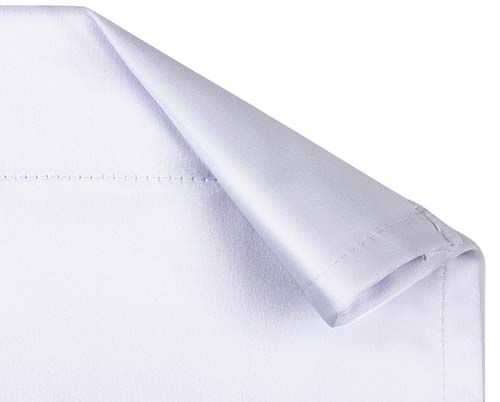
Tunnel
Silicon strip Textile Backlit is a fabric for illuminated advertising and display systems where the print is shown with backlighting. The 270 g/m² material has a dense weave that supports even light diffusion, high graphic readability and clear colour reproduction. It is printed using sublimation technology, which makes it a practical choice for textile displays used in retail, trade fairs, events and indoor brand environments.
What makes Textile Backlit suitable for illuminated displays?
The material is designed for prints that need to work with light rather than block it. Its structure helps present colours and details clearly when the display is switched on, while the textile surface gives the print a clean, professional appearance. Because the fabric is flexible, it can be tensioned in frame systems and changed when the campaign, message or event branding needs to be updated.
Typical applications
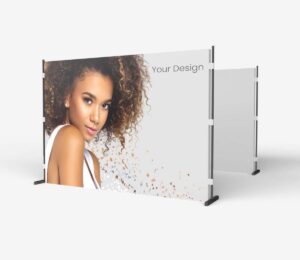
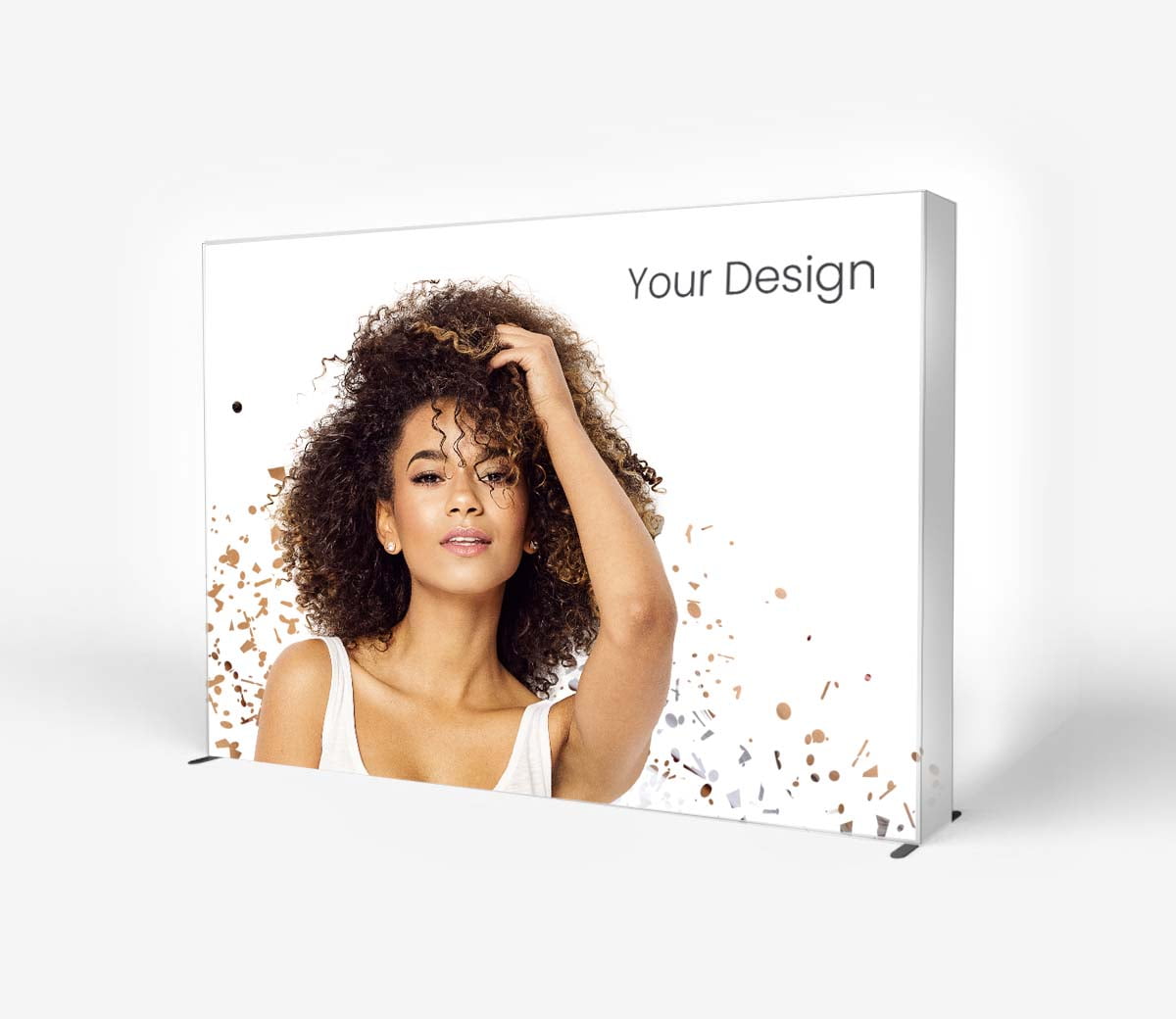
Textile Backlit is most often used in ZEN aluminium frames, including single-sided systems such as Backlight 100 and Backlight 120, as well as double-sided ZEN Double systems. It is also suitable for exhibition walls, trade fair structures and indoor illuminated advertising where a textile print is preferred over rigid media.
- illuminated textile frames and lightbox systems,
- trade fair stands and exhibition structures,
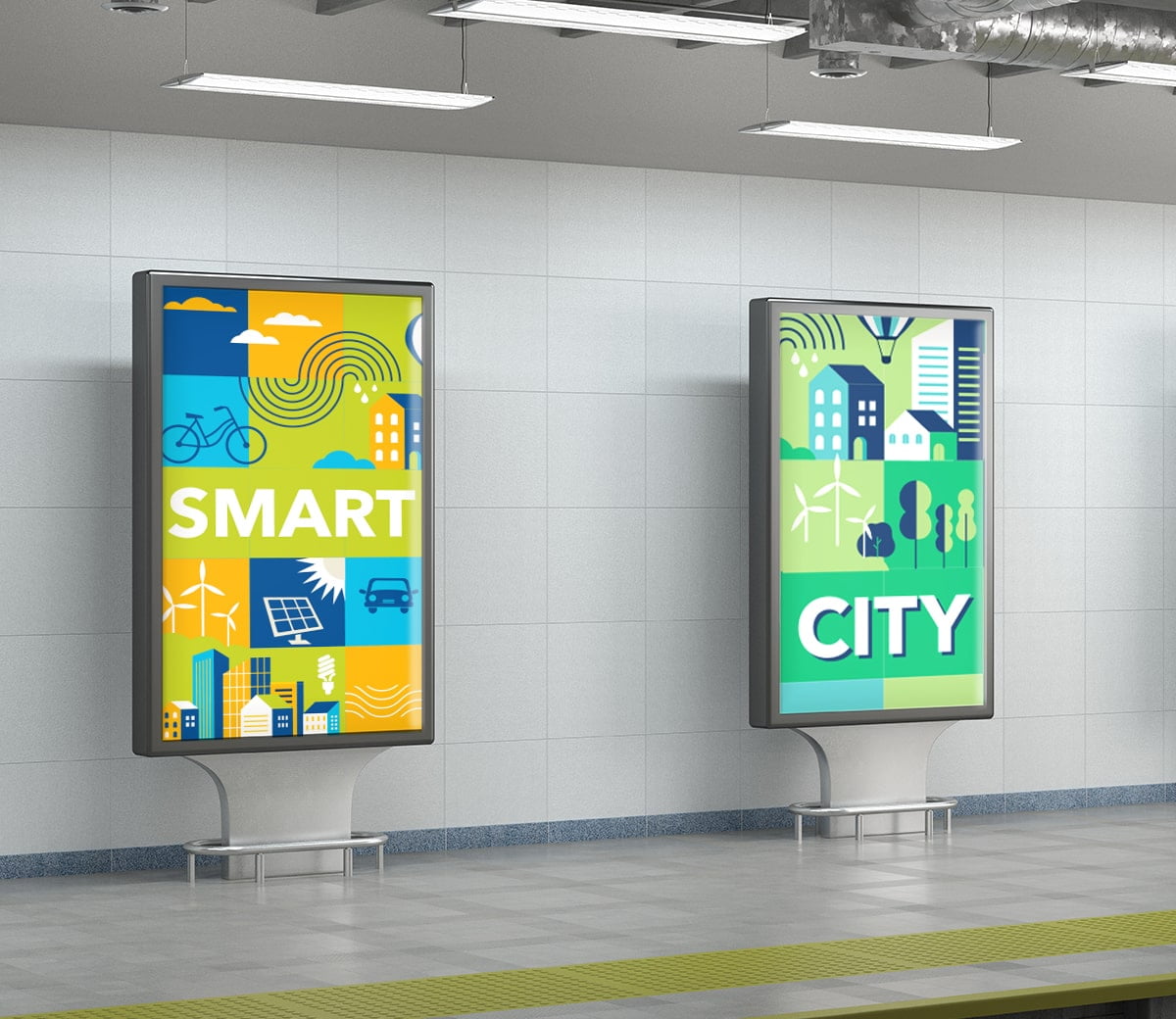
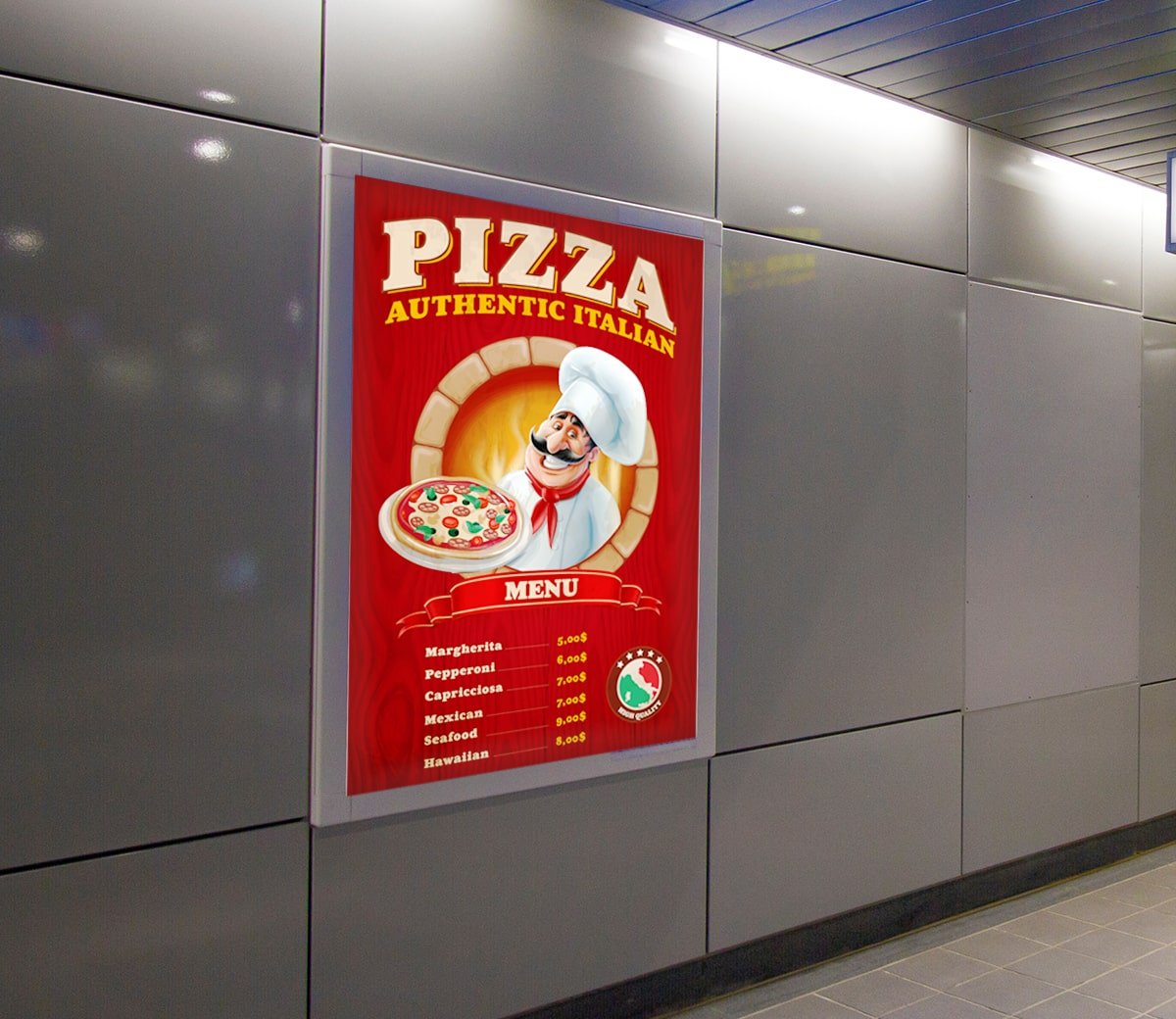
- retail interiors, sales halls and service points,
- event branding, offices and indoor promotional displays.
Finishing and installation options
The finishing should be matched to the mounting system. For simple applications, the print can be cut to size or finished with stitched edges. For aluminium tube systems, a tunnel finish is used. For ZEN-type aluminium systems, the material can be supplied with a sewn-in Silicone keder, allowing the print to be mounted evenly in the frame. Reinforcing tape with eyelets is also available where this type of installation is required.
The maximum material width is 3.10 m. For larger formats, several printed sections can be joined together. The material has a B1 flame retardant certificate, which supports its use in indoor public and commercial spaces, including trade fairs and enclosed sales areas.
When ordering Textile Backlit, the most important decision is not only the print size, but also the way the finished fabric will be mounted. A backlit textile works best when it is properly tensioned, because even tension helps the printed surface sit flat in the frame and improves the visual effect of the illuminated display. For ZEN frames, Silicone keder is usually the preferred finish. For tube-based constructions, a tunnel can be more practical. If the print is used in a different support structure, stitched edges, cut-to-size finishing or reinforcing tape with eyelets may be considered.
How to choose the right finish
- Cut to size is suitable for simple applications where the textile will be fixed by another mounting method.
- Stitched edges help protect the fabric edge and are useful when the print will be handled repeatedly.
- Reinforcing tape + eyelets is used where the textile needs mechanical fixing points.
- Tunnel is intended for mounting on aluminium tube systems or similar structures.
- Silicone keder is used for ZEN-type aluminium systems and supports clean, even tensioning.
File preparation and production considerations
For backlit applications, artwork should be prepared with the final illuminated effect in mind. Large colour areas, gradients and fine details may look different when light passes through the printed textile, so it is worth using high-quality source files and checking key brand colours before production. If the fabric will be joined from several sections because the required size exceeds the material width, important logos, text and key visual elements should be positioned with the joins in mind.
Textile Backlit is printed using sublimation, which is well suited to polyester display fabrics. The technology supports vivid colours and sharp details on the textile surface. For trade fair and retail use, the B1 flame retardant certificate is an important purchasing factor, especially when the display is intended for enclosed halls, shops, offices or event spaces where material certification may be required by the venue.
Where Textile Backlit works best
This material is intended for indoor illuminated displays, especially where the graphic needs to be changed more easily than with rigid panels. It is a good choice for seasonal campaigns, brand zones, exhibition stands and modular display systems. Customers may also refer to this type of product as backlit textile, backlight fabric or fabric for lightboxes, but Textile Backlit remains the product name used for this material.
Before confirming the order, check the frame type, visible size, mounting method and whether the display is single-sided or double-sided. These details help select the correct finishing and reduce the risk of installation problems on site.