


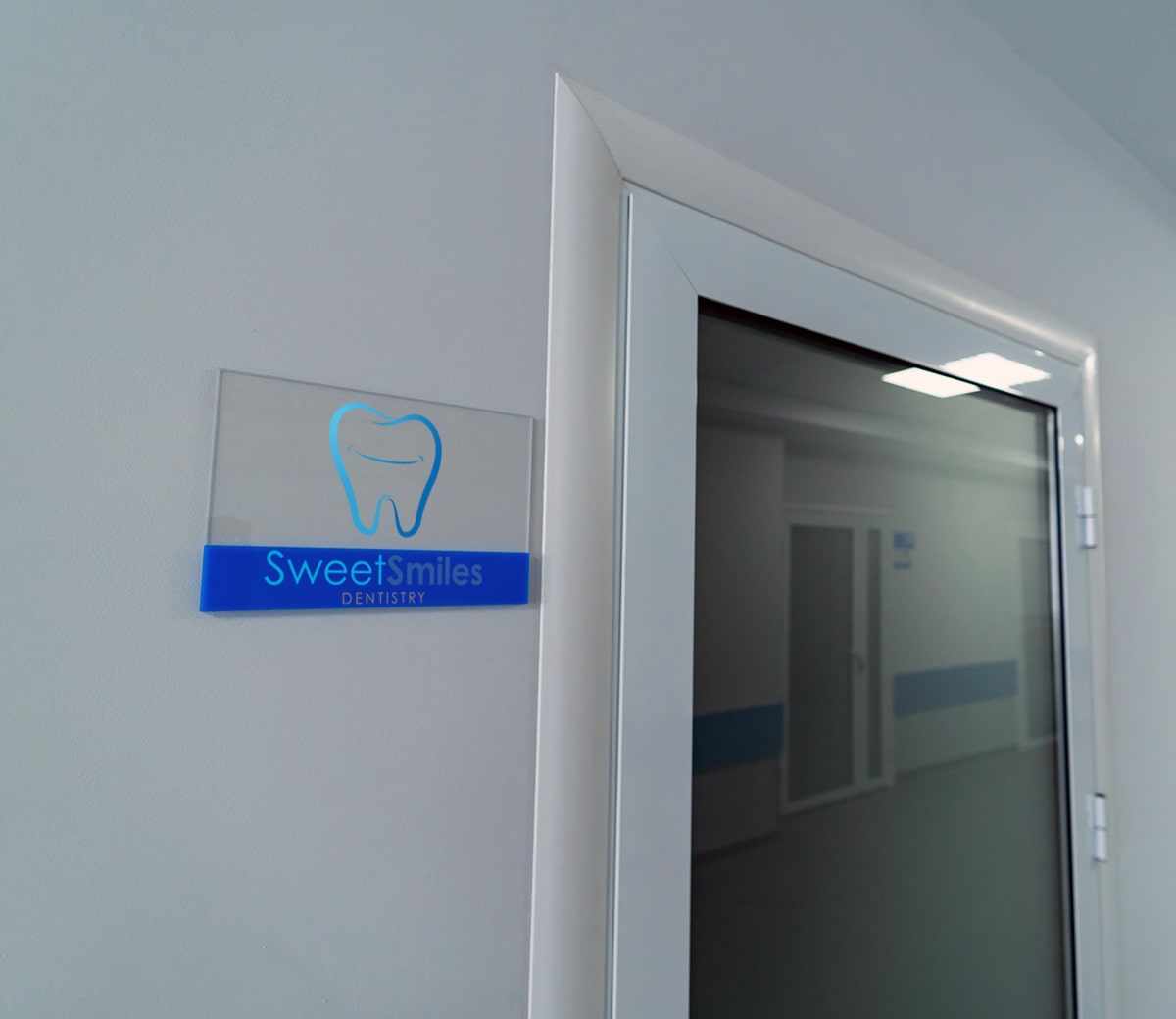
Plexiglass board
Plexiglass board is a rigid PMMA sheet for UV printing, signs, partitions, illuminated advertising and interior fittings. It is suitable when you need a lighter alternative to glass with good durability, clean visual presentation and the option of clear or milky material. White subprint can be used when stronger colour saturation, white elements or reduced transparency of the printed motif are required.
| Types | clear |
|---|---|
| Board format | 2,03 x 3,05 m, 2,05 m x 3,05 m |
| Printing technology | UV |
| Intended use | illuminated advertisement, spatial letters, walls in sanitary and kitchen areas |
| Properties | Can be printed with white subprint |
| Important information | The price is the average price per material, please contact our sales department for a quote |

Average price: €60,74 /m2


Plexiglas sheets available in our range
Plexiglass board is a PMMA sheet used for printed and unprinted advertising, display, architectural and functional applications. It is selected where a rigid, visually clean material is needed, but standard glass would be too heavy, fragile or difficult to process. UV printing allows the board to be personalised with branding, information, decorative motifs or technical markings.
What makes Plexiglass board practical?
Plexiglass is around half the weight of glass, while remaining durable, flexible and suitable for a wide range of indoor and outdoor uses. It withstands weather conditions and temperatures up to 70°C, which is important for exterior displays, illuminated advertising and elements exposed to changing conditions. The board and the print do not yellow under UV light, helping the finished product keep a clean appearance over time.
The material can also be processed mechanically. Depending on the project, it may be milled, cut or engraved, with engraving available for the clear variant. This makes it possible to prepare elements with a custom shape, not only standard rectangular panels.
Typical applications
Plexiglass board is used in advertising, retail, offices, hotels, medical centres, service points and public spaces. It works well where transparency, rigidity and easy cleaning matter.
- illuminated advertising, light boxes, signs and spatial letters,
- shop windows, fair stand infills and display elements,
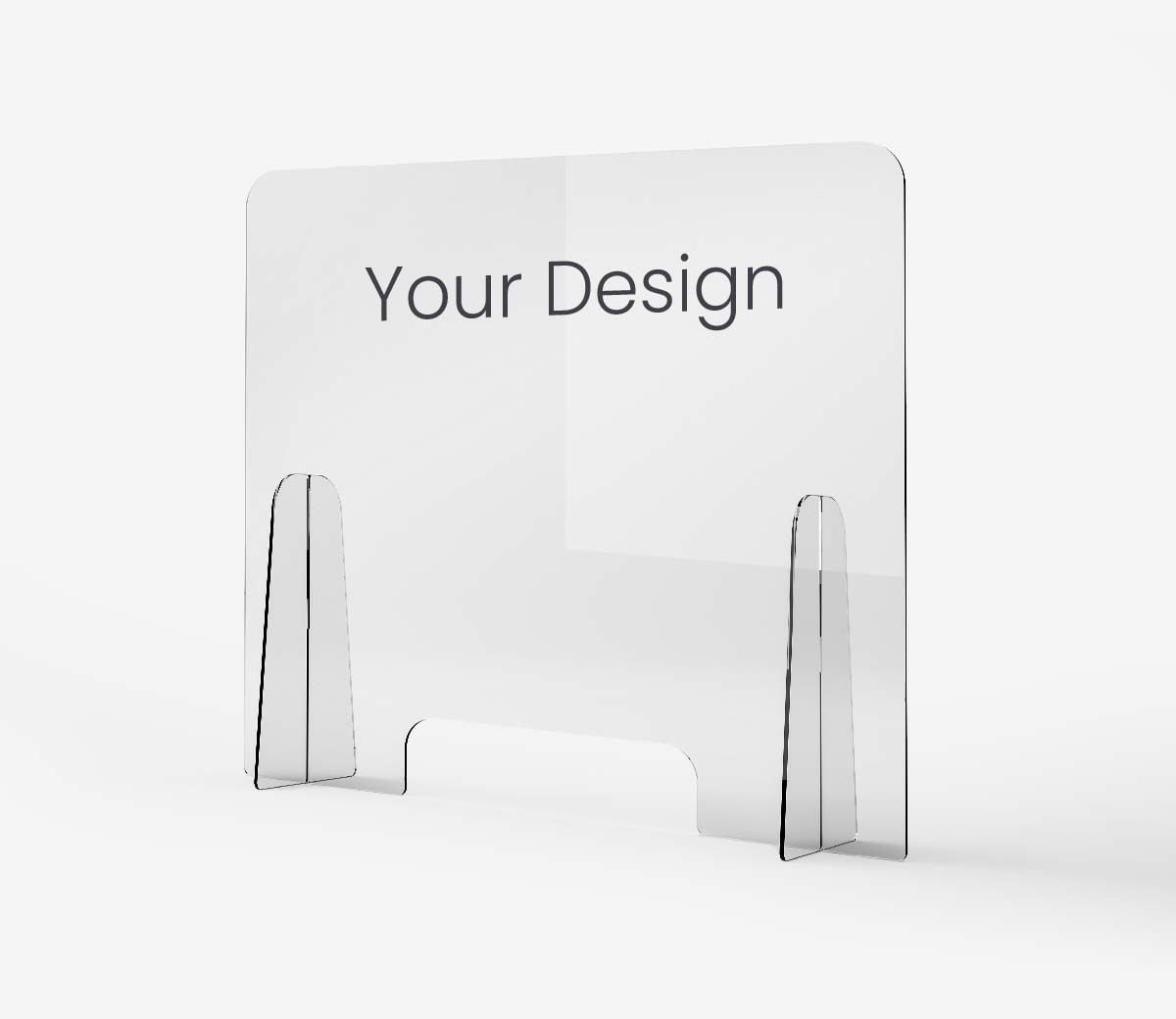
- desk screens, checkout counter partitions and protective panels,
- sanitary and kitchen area partitions,
- balustrade, balcony and door glazing applications,
- decorative panels, frames and interior fittings.
How to choose the right variant?
Clear Plexiglass is suitable when high transparency and a glass-like effect are expected. Milky Plexiglass diffuses the view and softens the print, so it is often chosen for backlit or decorative applications. For stronger colours, sharper white elements or lower motif show-through, a white subprint can be added under the UV print.
Clear or milky Plexiglass board?
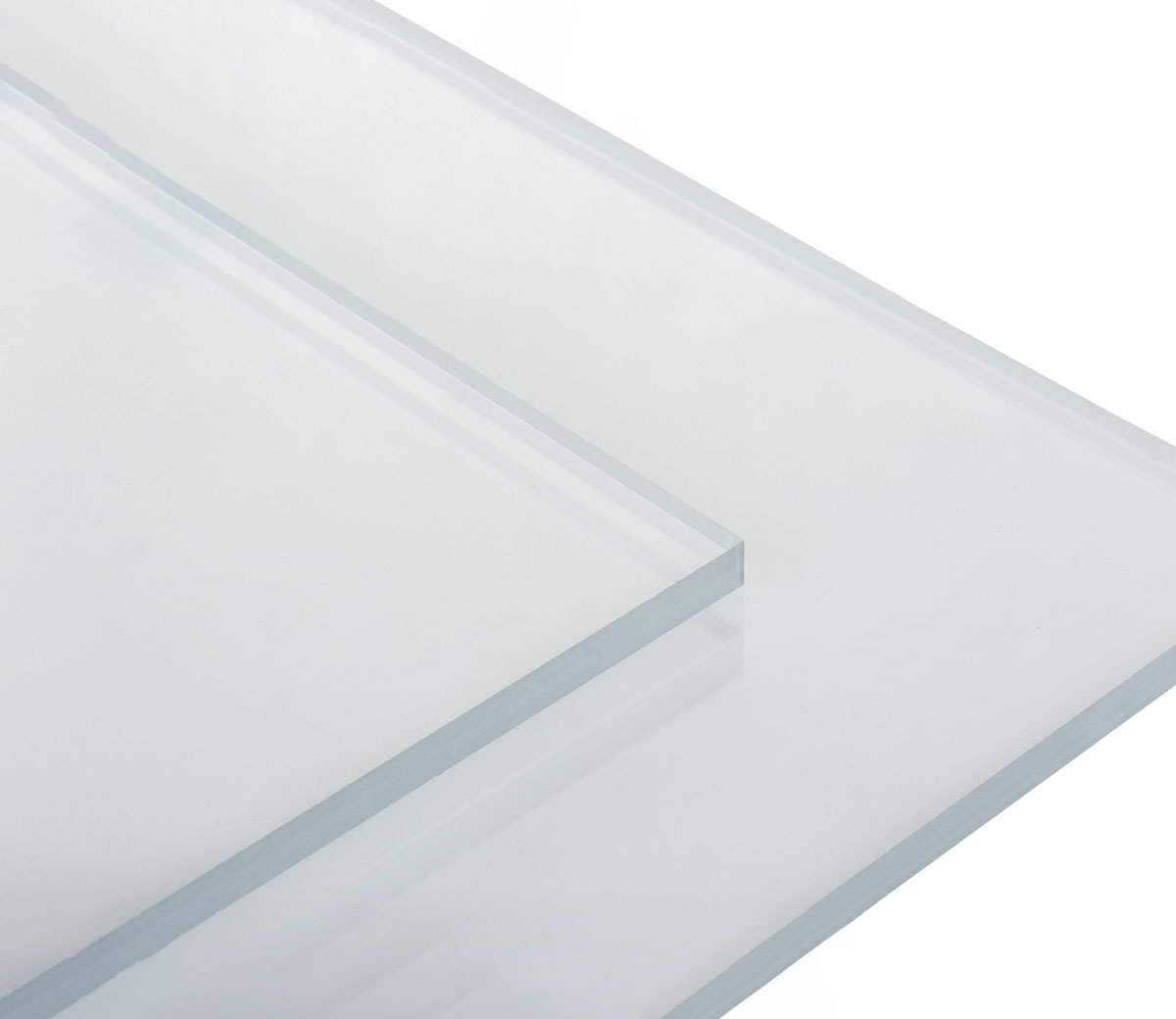
The choice of material should match the function of the finished element. Clear Plexiglass gives a transparent, stained-glass-like effect when printed directly. The motif may be visible from the other side, which can be an advantage in decorative panels, but should be considered when designing information graphics or branding.
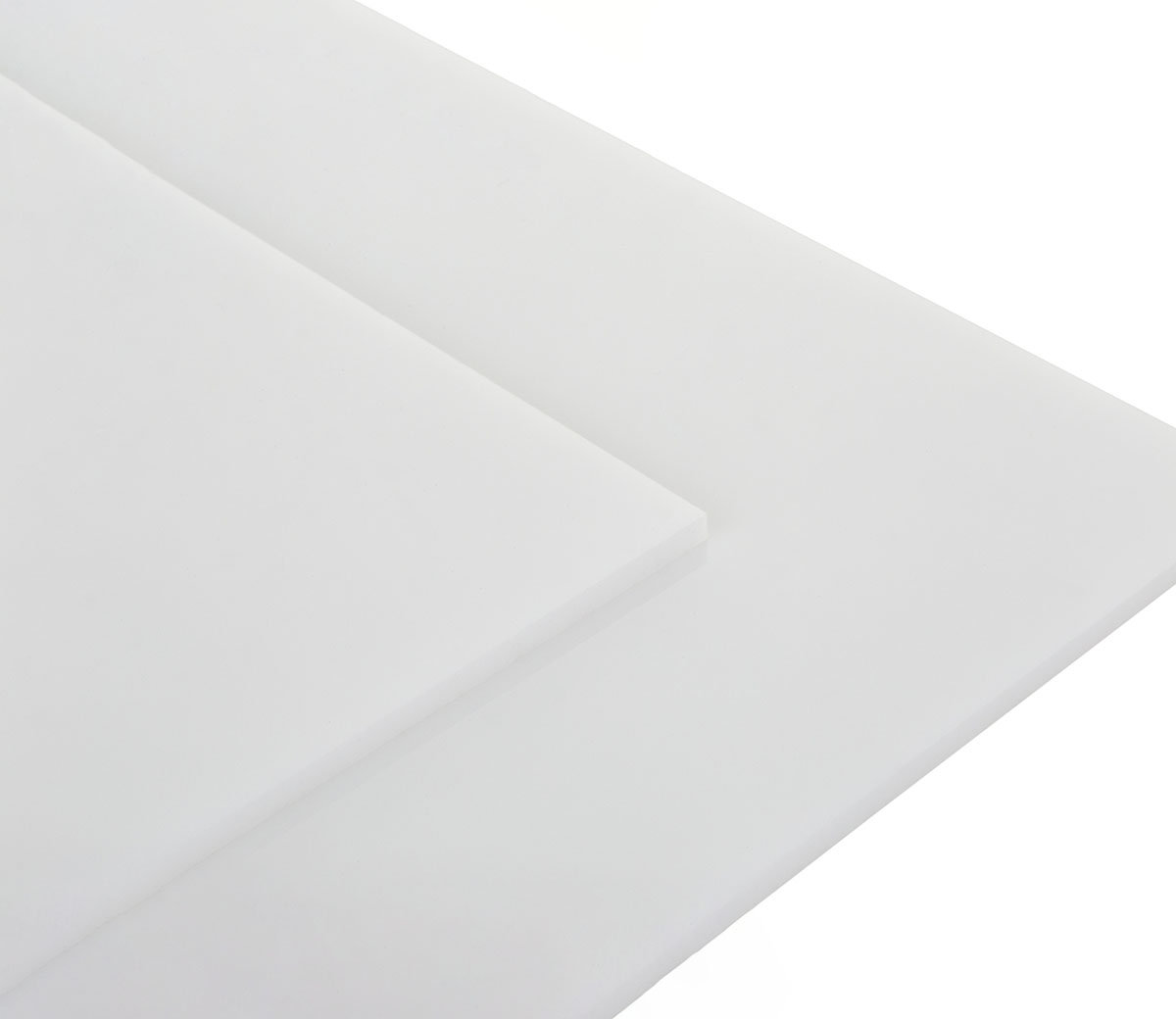
Milky Plexiglass limits transparency and slightly softens colours. It is useful when the board should diffuse light or create a more discreet visual effect. Depending on the thickness, the milky variant has different levels of transparency, so it should be selected with the final mounting place and lighting conditions in mind.
| Variant | Main effect | When to choose it |
|---|---|---|
| Clear Plexiglass | High transparency, up to 92% visible light transmission | For glass-like panels, clear displays, signs and elements where transparency is important. |
| Milky Plexiglass | Diffused, semi-transparent appearance | For illuminated advertising, decorative panels and applications where the view should be softened. |
Printing and file preparation tips
Plexiglass is a semi-transparent material, so direct UV printing will not behave like printing on an opaque board. On clear material, the colours can appear more transparent and the print may create a stained-glass effect. On milky material, the motif is less see-through, but colours may look slightly softer.
If the project requires more saturated colours, better opacity or visible white areas, a white subprint should be planned. This is especially important for clear Plexiglass when the design contains white elements. Without white subprint, white parts of the file may not appear as expected on a transparent base. For deep black, the print file should be prepared with appropriate colour values; one recommended setting is C:50, M:50, Y:50, K:100.
Where does Plexiglass board work best?
The material is easy to keep clean and is not damaged by contact with mild, non-alcoholic substances and compounds. These properties make it useful not only in advertising, but also in offices, medical centres, shops, hotels, fitness facilities and other commercial interiors.
For an unprinted Plexiglass sheet covered by the relevant certificate, we have confirmation of suitability for food contact within the scope and conditions specified in the documentation. This information applies to the unprinted material only. After UV printing, we do not declare the finished printed product as suitable for food contact.
- Use clear material when transparency and sharp visual presentation are the priority.
- Use milky material when light diffusion or partial privacy is more important.
- Add white subprint when the graphic should be more opaque and colour-stable.
- Plan cutting, milling or shape adjustment before approving production files.
Additional naming and ordering information
Plexiglass board is also commonly referred to as Plexiglas, Plexa, acrylic glass or organic glass. In this product, the material is an extruded PMMA board available in clear and milky options. Pricing is calculated individually; the displayed price is an average material price, so please contact the sales department for a project quotation.