

Veil
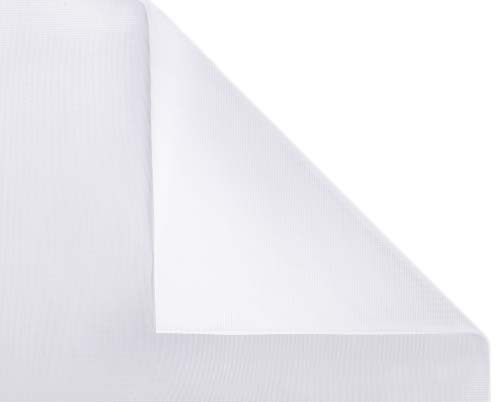
Veil is a lightweight printed decorative fabric for interiors, trade fairs, events and display spaces where a soft, semi-transparent textile effect is needed. Its 52 g/m² structure allows light to pass through and lets the print show through almost fully on the reverse side. Sublimation printing supports vivid colour reproduction, while B1 fire-retardant certification and practical finishing options make it suitable for professional indoor installations.
| Intended use | interior finishing, advertising: in a shop, showroom, at events and fairs; background: for conferences, for photos; decoration: in the living room, shop, curtains, decorations, light short-term advertising |
|---|---|
| Grammage | 52 g/m² |
| Printing technology | Sublimation |
| Maximum material width | 3,10 m |
| Material attestation | B1 |
| Finish of material | cut to size, sewn in reinforcing tape + eyelets, stitched edges, Tunnel |
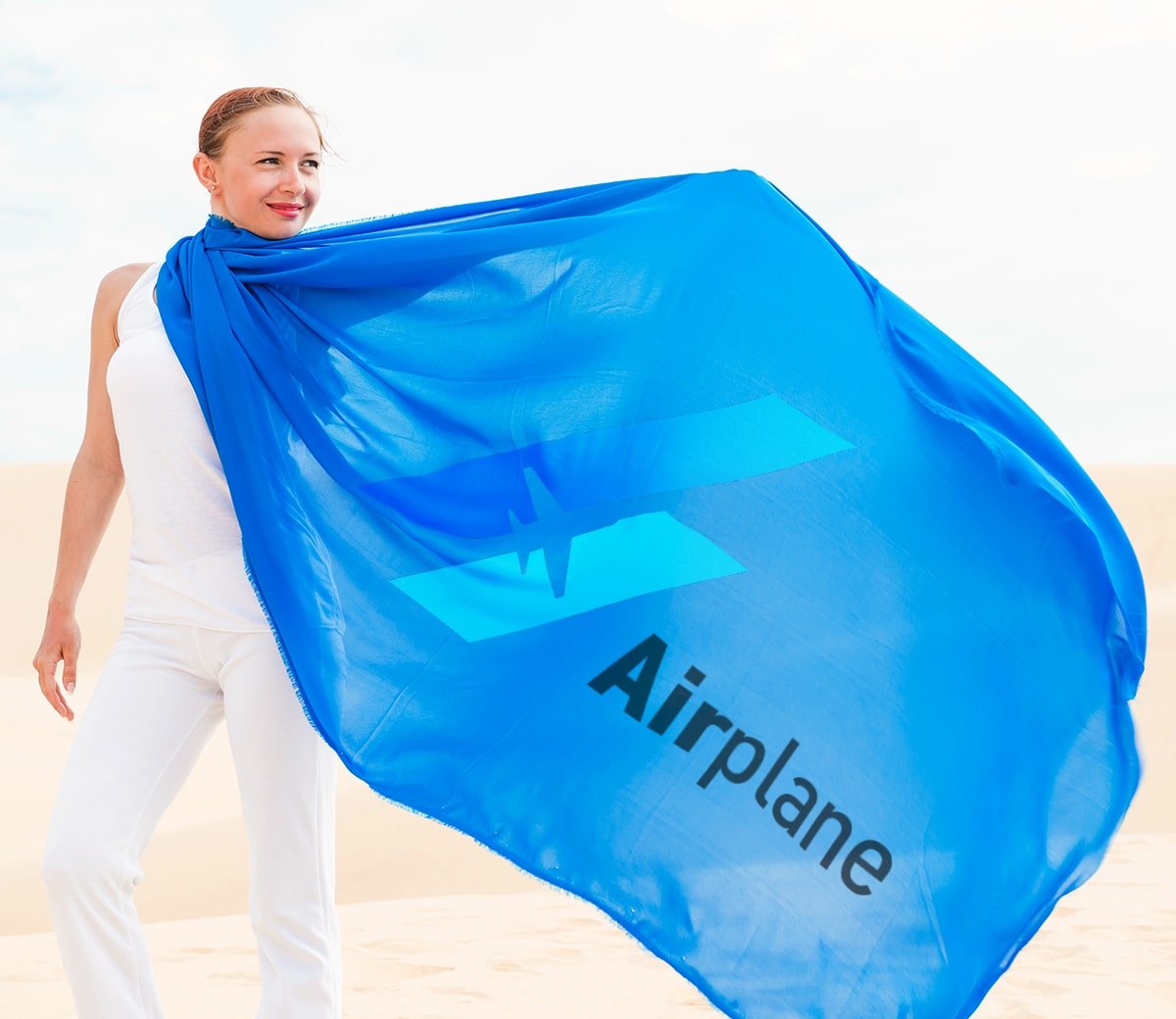
| Properties | material that allows the graphics to show through almost 100% on the other side of the printout |

Price from: €6,99 /m2


Dostępne wykończenia
Cut to size
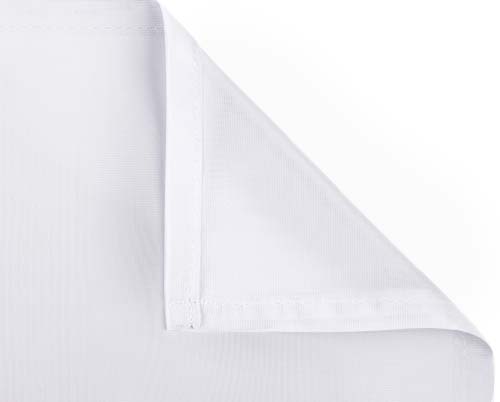
Stitched edges
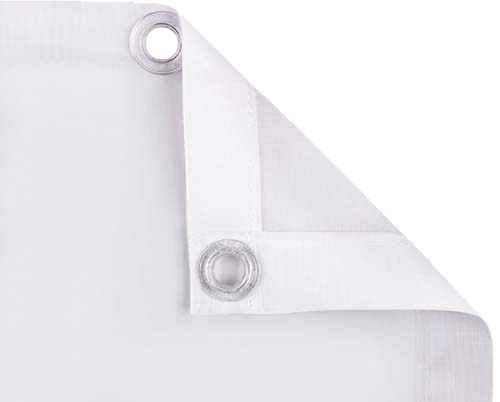
Sewn in reinforcing tape + eyelets
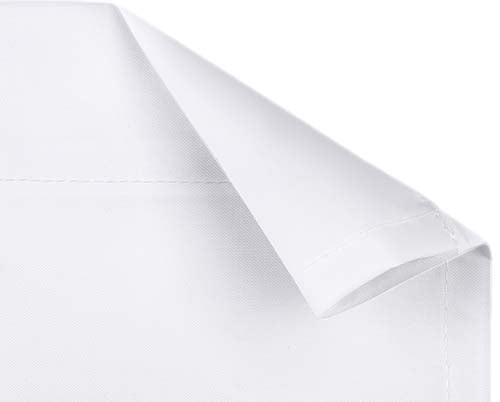
Tunnel  Custom
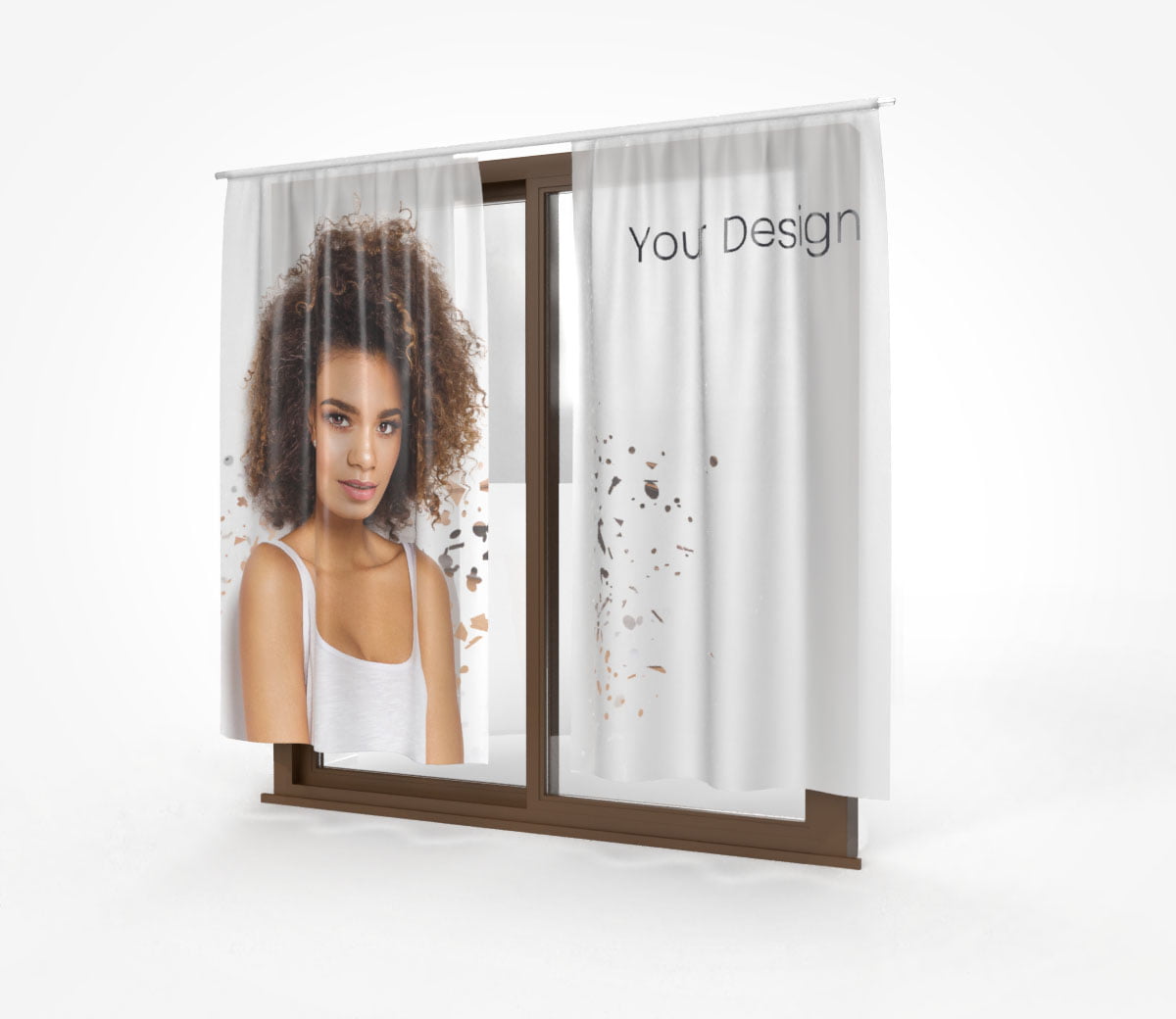
 Veil is a delicate, semi-transparent textile designed for decorative printing, interior finishing and visual communication in exhibition or event spaces. It is used where the print should add atmosphere without creating a heavy visual barrier: as a curtain, divider, light backdrop, textile wall or decorative layer in a shop, showroom, conference area or point of sale.
What makes Veil suitable for printed decoration?
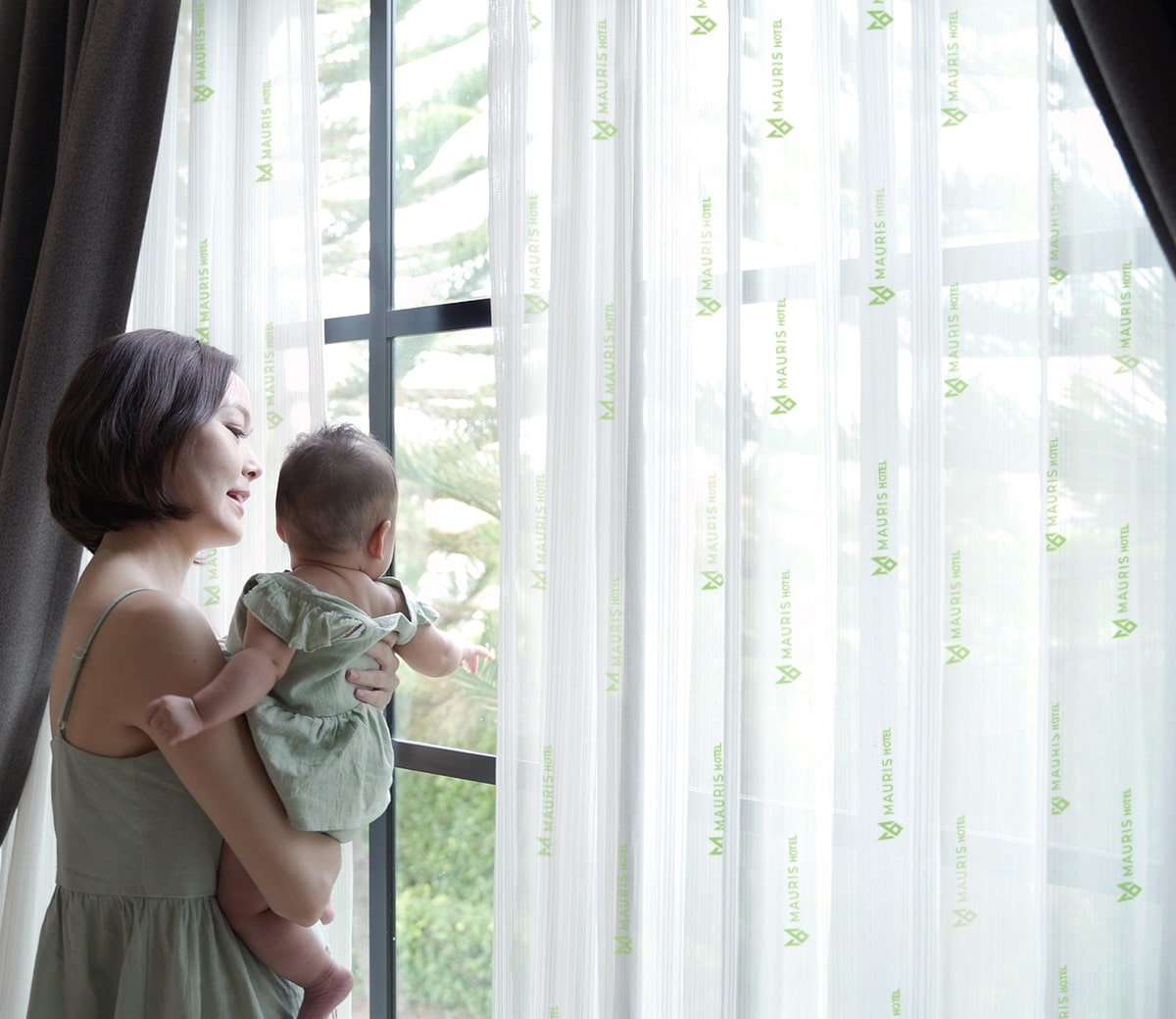
The material has a low grammage of 52 g/m², so it is lightweight, easy to handle and visually subtle. Its structure lets light pass through and allows the printed design to show through almost 100% on the other side of the printout. This is useful for suspended decorations, room dividers and installations viewed from more than one direction.
Printing is produced with sublimation technology. The print penetrates the fibres of the fabric, which supports durable colour reproduction and helps maintain a textile feel. Veil is therefore suitable for projects where the material itself remains visible and becomes part of the visual effect, rather than just a carrier for the print.
Where does Veil work best?
Veil is selected mainly for indoor applications and short-term decorative advertising. It is suitable for shop interiors, showrooms, living room decoration, event zones, fair stands, photo backgrounds and conference backdrops. The B1 fire-retardant certification makes it relevant for professional event and exhibition use where material safety requirements are important.
How to choose the right finish?
The finishing method should match the planned installation. A cut-to-size finish works for simple decorative inserts or further processing. Stitched edges improve the look and durability of the edge. A tunnel is useful for hanging the fabric on a rod or rail, while sewn-in reinforcing tape with eyelets supports mounting with hooks, cords or tensioning points.
- Lightweight 52 g/m² fabric for subtle textile displays.
- Semi-transparent structure for layered and two-sided viewing effects.
- Sublimation print for vivid colours and a soft fabric finish.
- Maximum material width: 3.10 m.
- Available finishes: cut to size, stitched edges, tunnel, reinforcing tape with eyelets.
Practical use in interiors, fairs and events
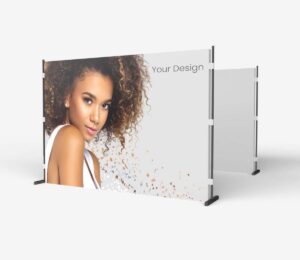
Veil is often chosen when the design should soften the space, divide zones or create a light decorative background without fully blocking visibility or light. In retail and showroom interiors it can be used to guide attention, separate product areas or add seasonal visual communication. At fairs and events it works well as a suspended textile, stage element, conference backdrop or photo background.
Because the print shows through almost fully on the reverse side, Veil is useful for installations viewed from both sides. This property does not replace a true double-sided print, but it helps maintain visual consistency in open spaces, corridors, shop windows or layered display structures. For projects where complete opacity is required, a different textile or blockout material should be considered.
Choosing the finishing method
The correct finishing option depends on how the fabric will be mounted and how intensively it will be handled. For simple decorative panels, cut to size may be enough. Stitched edges are recommended when the edges remain visible or the fabric will be installed repeatedly. A tunnel is a practical choice for rods, rails and hanging systems. Reinforcing tape with eyelets is suitable when the fabric must be fixed at points, tensioned or attached with cords, hooks or cable ties.
- Choose a tunnel for rod-based hanging and clean upper-edge installation.
- Choose stitched edges when the textile needs a neat, finished border.
- Choose reinforcing tape with eyelets for point mounting or light tensioning.
- Choose cut to size for simple inserts, samples or further sewing.
File preparation and production notes
When preparing artwork for Veil, remember that the fabric is semi-transparent and light. Strong contrasts and clear shapes are usually easier to read than very fine details, especially in large decorative formats. If the installation will be viewed against a bright background or near a light source, it is worth considering how transparency will affect colour perception.
For backgrounds used in conferences, photos or stages, avoid placing critical text too close to edges, tunnels or eyelet areas. The selected finish can take up part of the usable textile area, so important elements should remain safely inside the visible field. If the fabric will be suspended freely, simple compositions often work better than dense layouts.
Alternative terms used in the market
In English-speaking markets, Veil may also be referred to as printed voile fabric, semi-transparent textile, sheer printed fabric or decorative voile. These terms describe the same type of lightweight, translucent fabric effect, but the product name used in this offer is Veil.
When to choose another material?
Veil is a good choice for softness, transparency and decorative movement. It is not intended for applications that require high opacity, heavy outdoor resistance or complete light blocking. If the priority is full coverage, strong front-facing advertising impact or long-term outdoor exposure, another textile or banner material will usually be more appropriate.