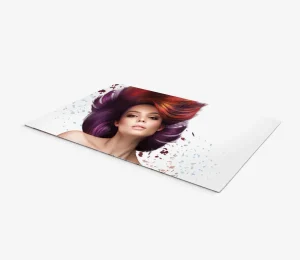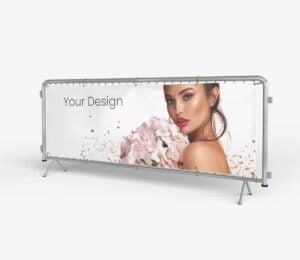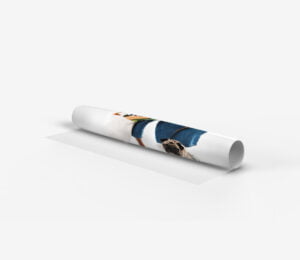
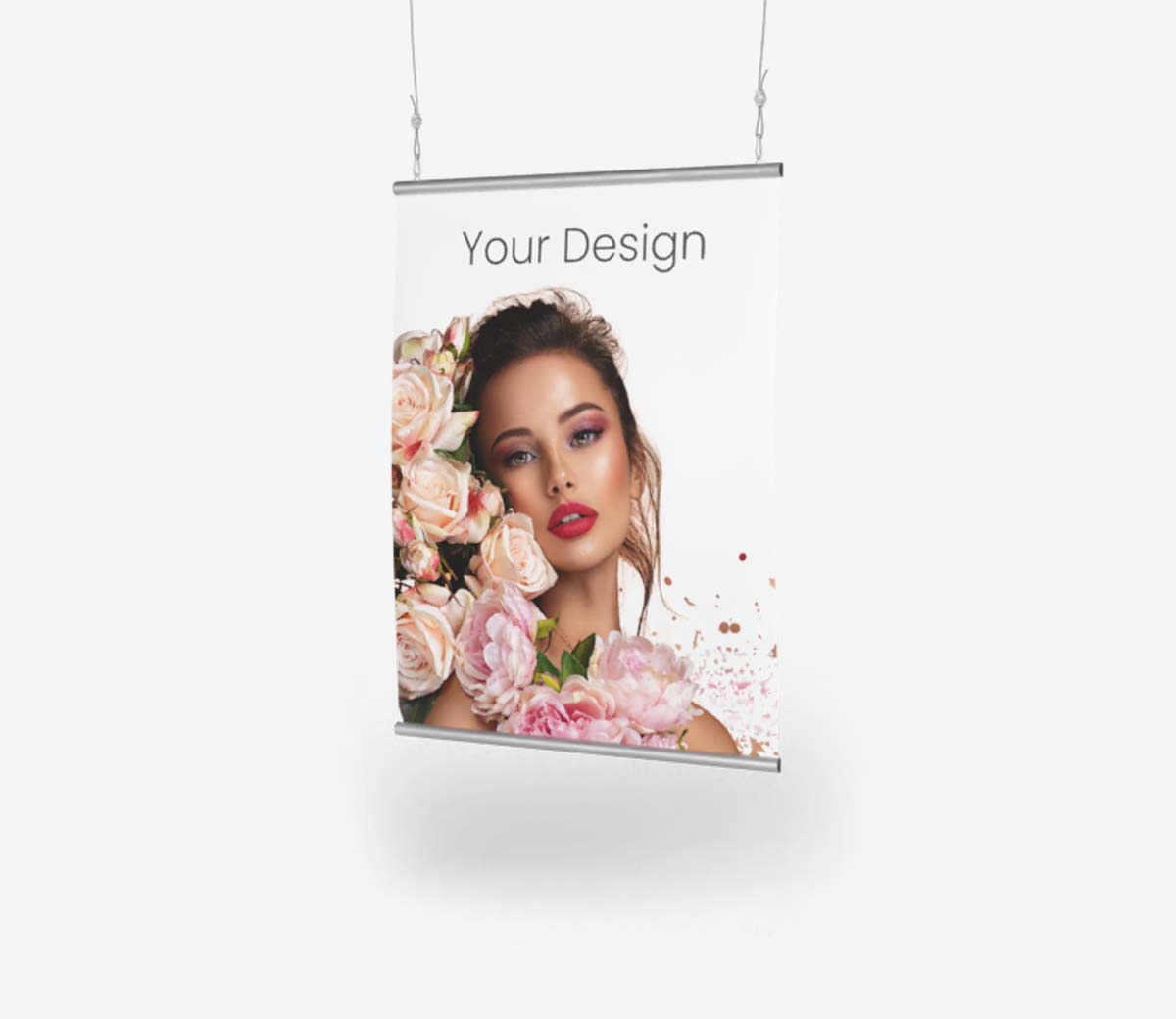
Blockout banner
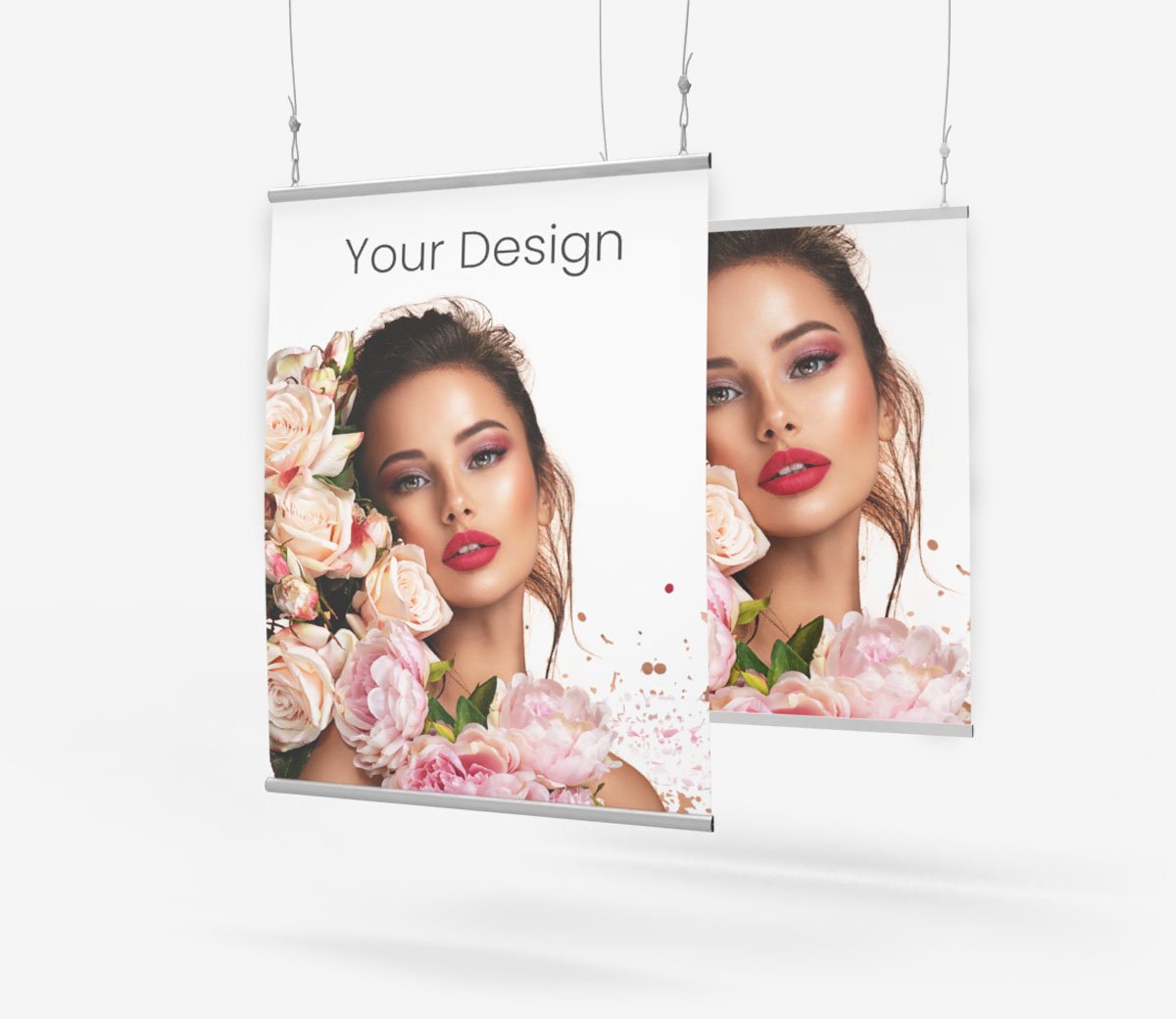
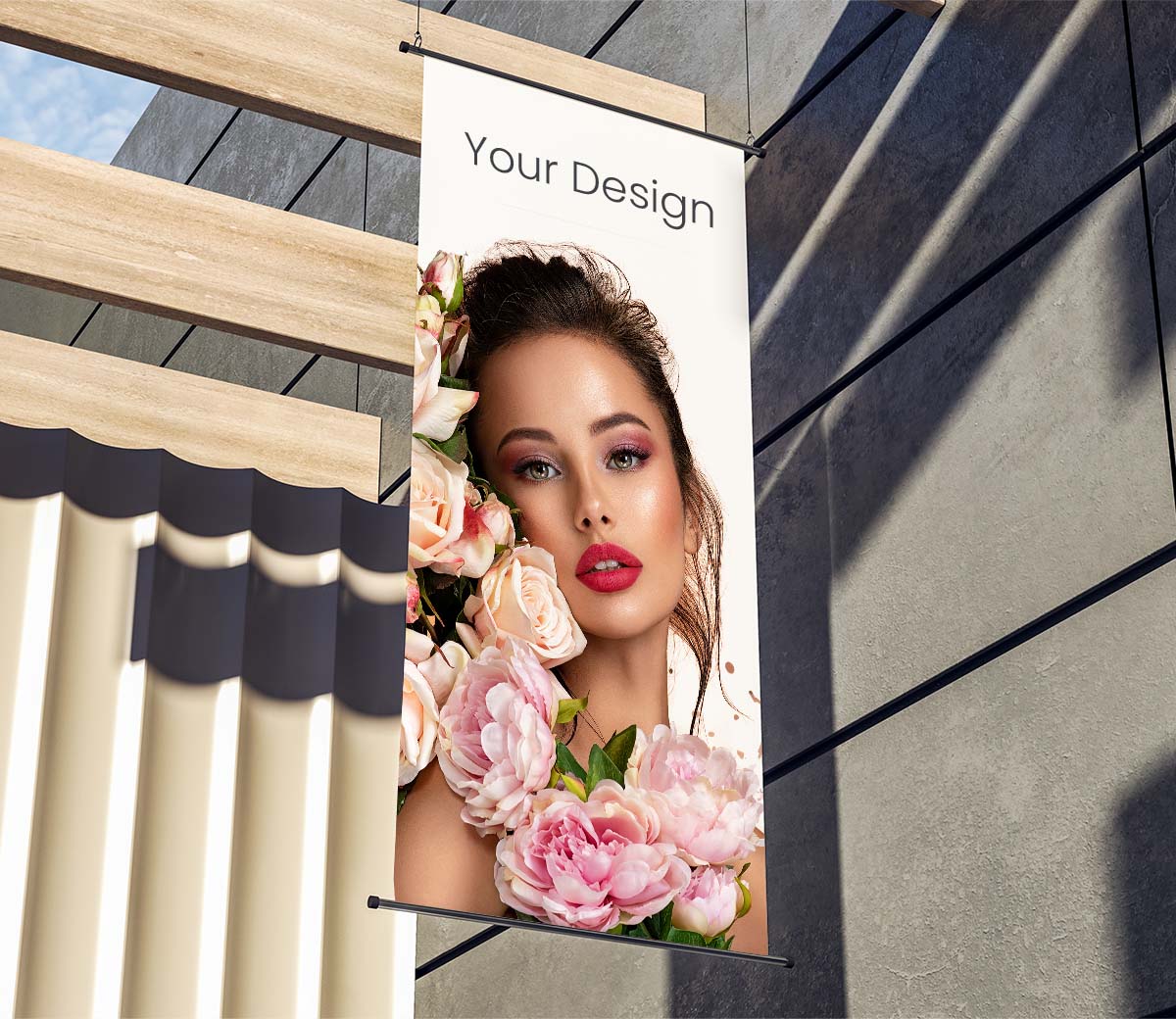
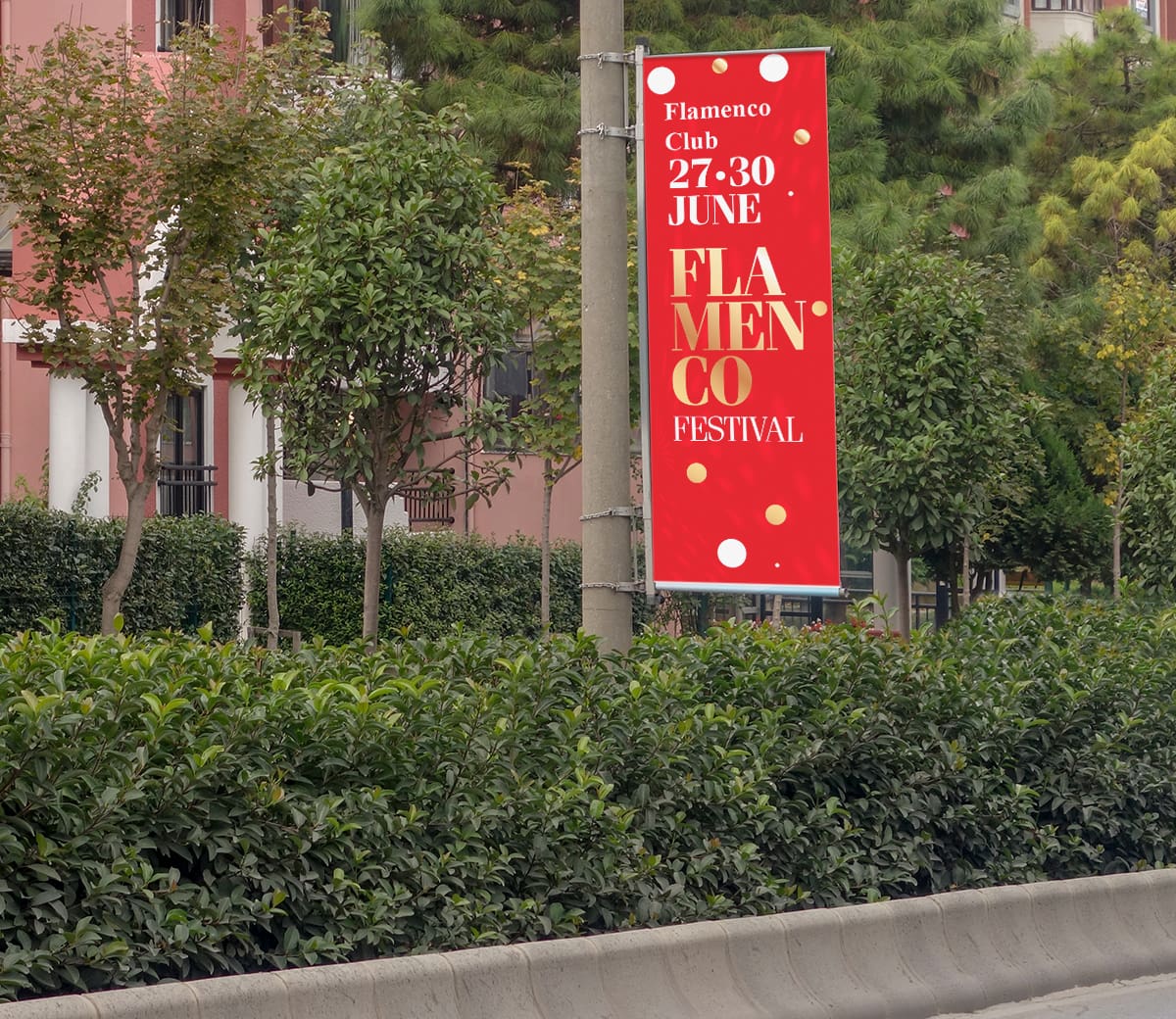
Blockout banner is a banner material for one- or two-sided advertising where high graphic legibility and reduced show-through are important. Its internal blocking layer prevents the print from being visible on the opposite side, making it suitable for suspended displays, shop windows, exhibition walls and roll-up systems. Choose between 440 g/m² and 650 g/m² options, with one-sided or double-sided UV printing.
| Intended use | one- and two-sided advertising |
|---|---|
| Grammage | 440 g/m², 650 g/m² |
| Printing technology | UV |
| Colours | CMYK |
| Print resolution | 1000 dpi |
| Maximum material width | 3,20 m |
| Material attestation | B1 |
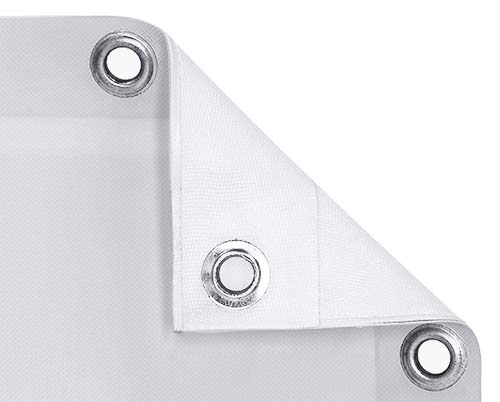
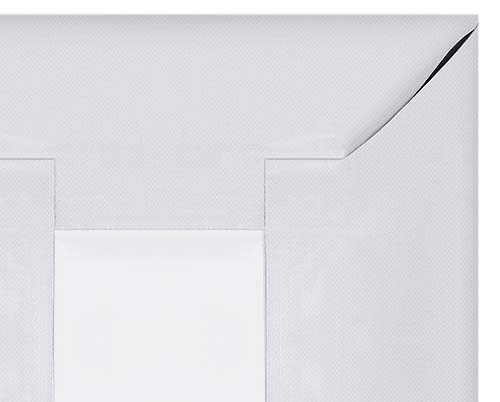
| Finish of material | cut to size, cut to size + eyelets, Tunnel, Tunnel around, Tunnel Omega, Welding + eyelets |


Available finishes
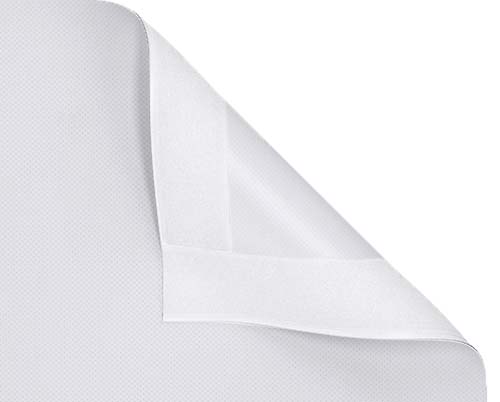
Cut to size
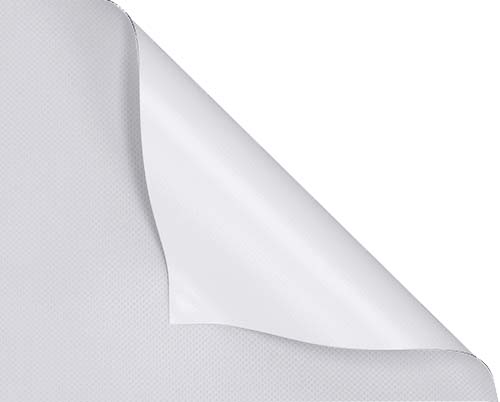
Velcro
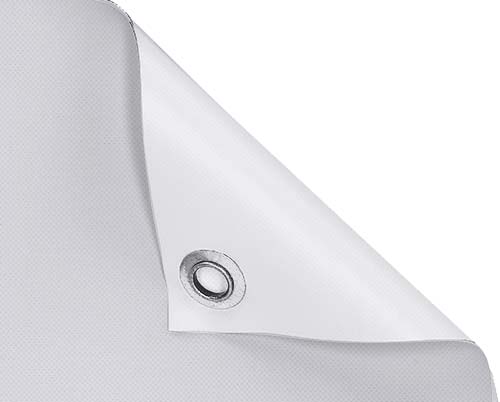
Cut to size + eyelets
Welding + eyelets
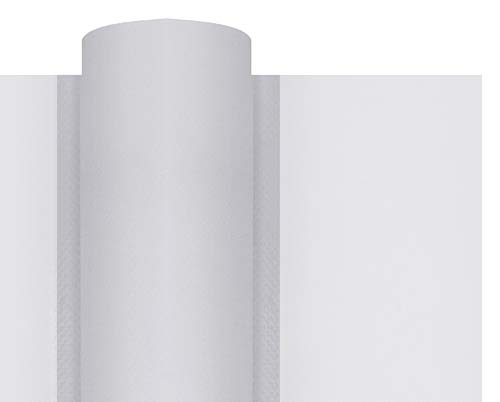
Tunnel
Tunnel around
Tunnel Omega  Custom
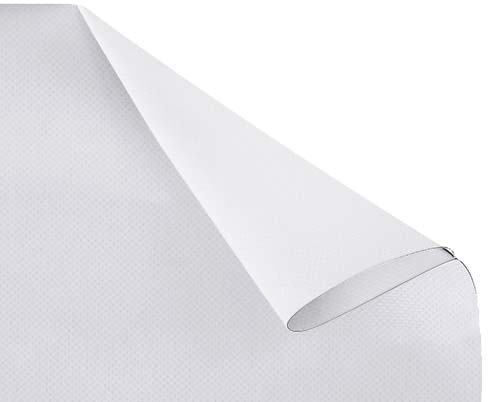
 Blockout banner is designed for advertising applications where the print must remain clear even when the material is viewed from both sides or exposed to changing light conditions. The key feature of the material is an internal blocking layer that limits light transmission and prevents the print from showing through to the other side. This makes it a practical choice for hanging banners, indoor displays, exhibition structures and other formats where standard Frontlit material would not provide sufficient opacity.
What makes Blockout banner different?
Compared with typical banner materials, Blockout has a layered structure that improves opacity and supports one-sided or double-sided communication. In double-sided versions, two different designs can be printed on opposite sides, which is useful when the banner is viewed from several directions, for example in shopping malls, trade fairs, showrooms or retail spaces.
The product is printed in UV technology in CMYK colours, with print resolution up to 1000 dpi. The maximum material width is 3.20 m, which supports larger advertising formats without unnecessary panel division. The material also has a B1 fire classification, an important parameter for many indoor public and commercial spaces.
How to choose the right variant?
The available product options differ by weight and print side. The 440 g/m² version is recommended where opacity and lower material weight are more important than maximum tear resistance. It is often selected for roll-up systems, trade display walls and formats used in controlled indoor environments.
The 650 g/m² version is the heavier and more durable option. It is suitable for applications requiring higher mechanical strength, such as suspended advertisements, banners on street poles, shop windows, display walls and selected exhibition stand elements. This version can be used in temperatures from -25°C to +70°C.
Applications and finishing options
Blockout banner is used for one- and two-sided advertising in offices, hotels, restaurants, shopping centres, medical centres, information points, shops and trade fair spaces. Finishing can be adapted to the installation method, including cut to size, cut to size with eyelets, tunnel, tunnel around, Tunnel Omega and welding with eyelets.
Practical use of Blockout banner
Blockout banner is chosen when the advertising surface must work from both sides or when a high level of opacity is required. In everyday ordering, customers may also refer to it as an opaque banner, double-sided banner material or blockout PVC banner. These terms describe the same functional need: reducing show-through and keeping the printed message readable in demanding display conditions.
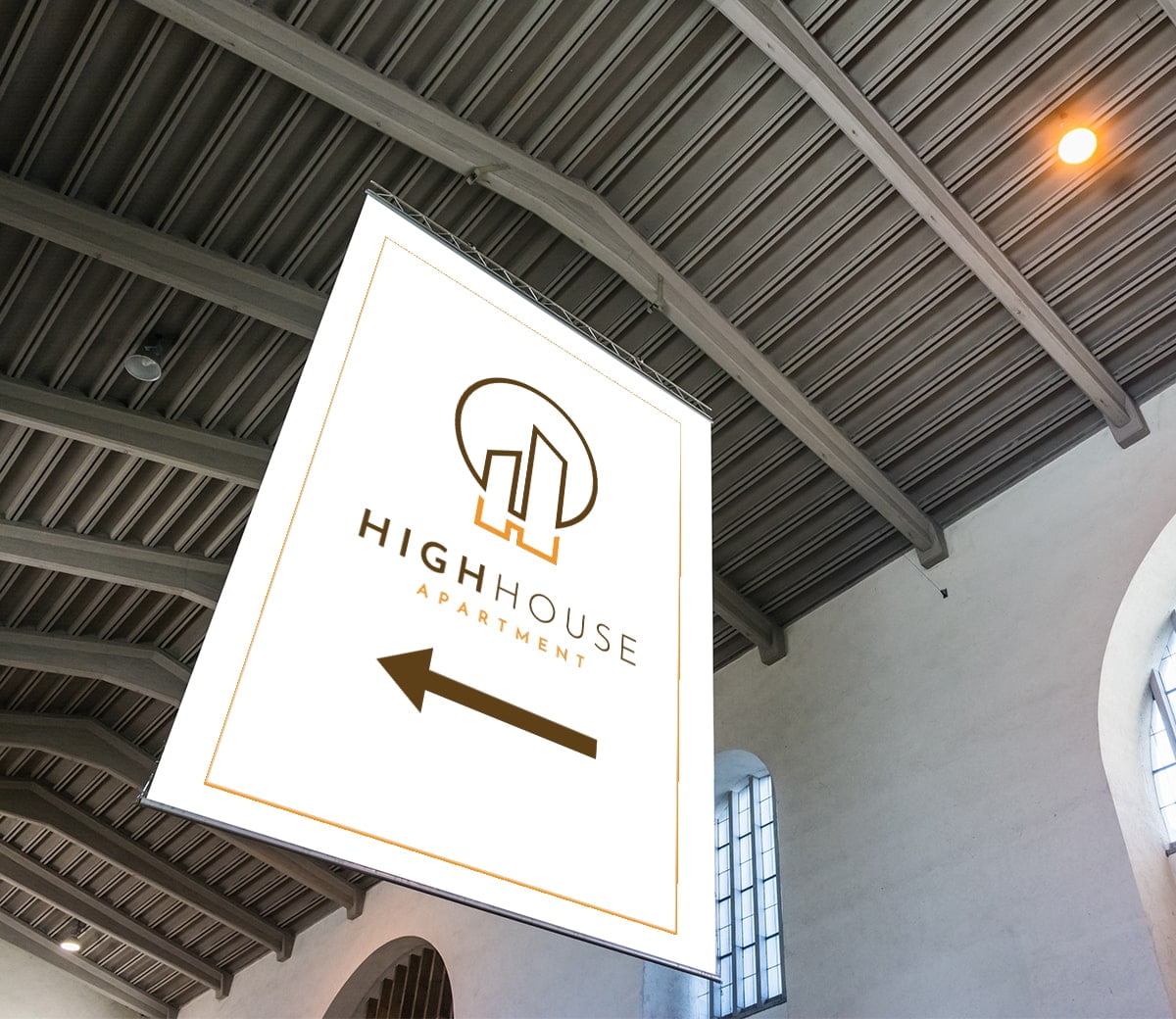
The material is suitable for campaigns in locations where people move around the advertisement, such as shopping malls, showrooms, trade fairs, hotels, offices and information points. It also works well in shop windows and suspended installations, where light from behind the banner could reduce the contrast of a standard material.
Variant comparison
| Variant | Best use | Selection note |
|---|---|---|
| One-sided Blockout 440 g/m² | Roll-ups, indoor displays and single-face advertising | Choose when low show-through is needed with lower material weight. |
| Double-sided Blockout 440 g/m² | Two-sided indoor displays and exhibition systems | Useful when both sides carry different designs and high tear resistance is not the main priority. |
| One-sided Blockout 650 g/m² | More demanding banners, walls and suspended formats | Select for higher durability and stronger material structure. |
| Double-sided Blockout 650 g/m² | Two-sided banners for visible, multi-directional exposure | Recommended where opacity and mechanical strength are both important. |
Finishing and installation considerations
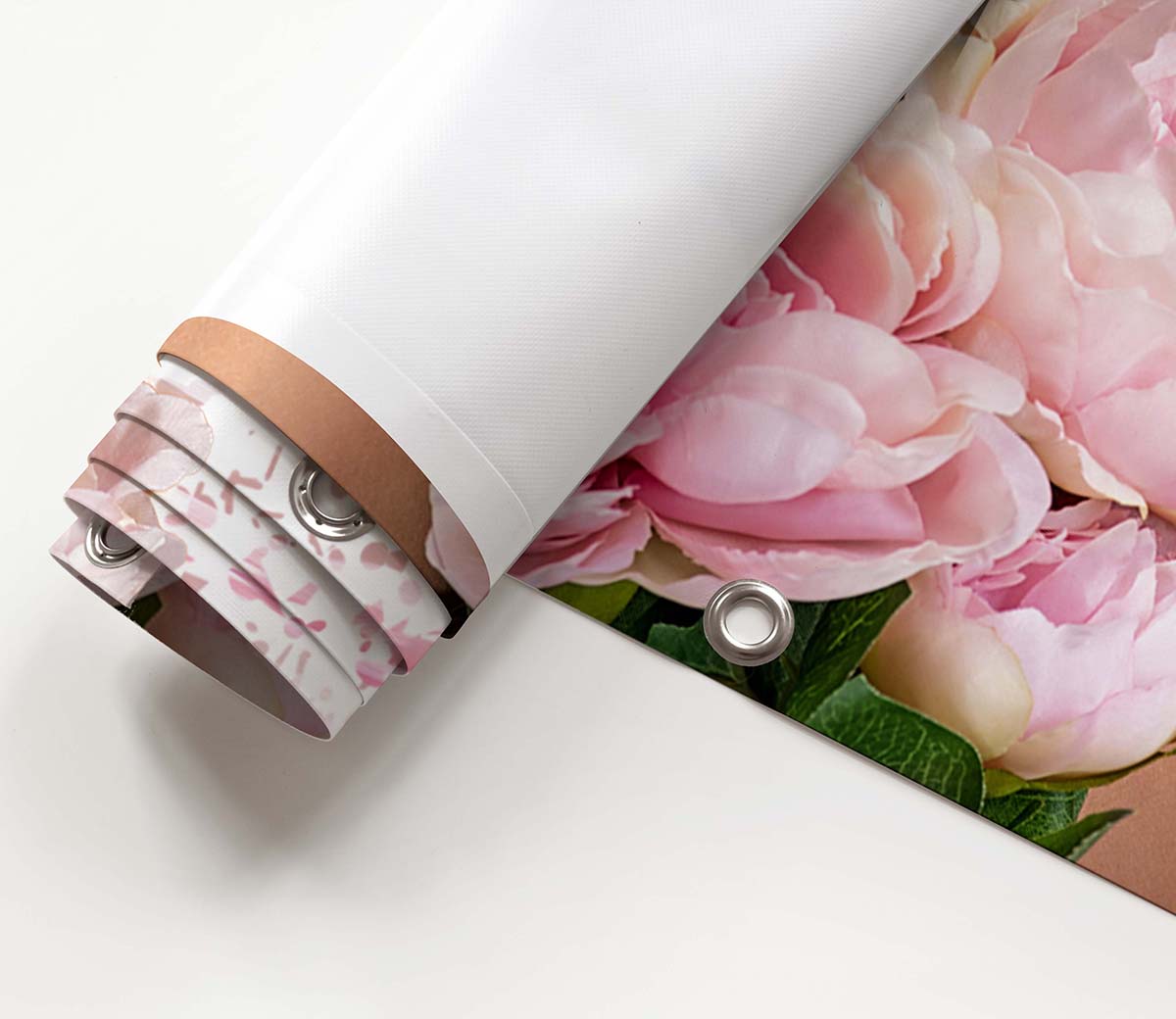
The finishing should be matched to the way the banner will be mounted. Cut to size is suitable for formats installed in frames or systems prepared by the customer. Eyelets are useful for tensioning the banner with cords or hooks. Tunnel and Tunnel Omega finishes are selected when rods, rails or other supporting elements are used. Welding with eyelets increases edge strength and is recommended for installations exposed to more stress.
For complex shapes, the three-layer structure provides better resistance to tearing than a standard Frontlit banner. However, welded edges still improve side strength during use, especially when the banner is tensioned or handled frequently.
File preparation tips
For double-sided printing, prepare each side as a separate design and clearly mark the required orientation. This helps avoid incorrect rotation, especially in suspended or free-standing applications. Use CMYK files and make sure important text, logos and QR codes are kept away from cutting lines, tunnels, welds and eyelet areas. If the banner is intended for a specific display system, include the final visible size and finishing requirements in the order.
- Choose 440 g/m² for lighter indoor or system-based applications.
- Choose 650 g/m² when higher durability and resistance to handling are required.
- Select double-sided printing when the banner will be viewed from both directions.
- Match the finishing to the mounting method before preparing the file.