Mesh eco
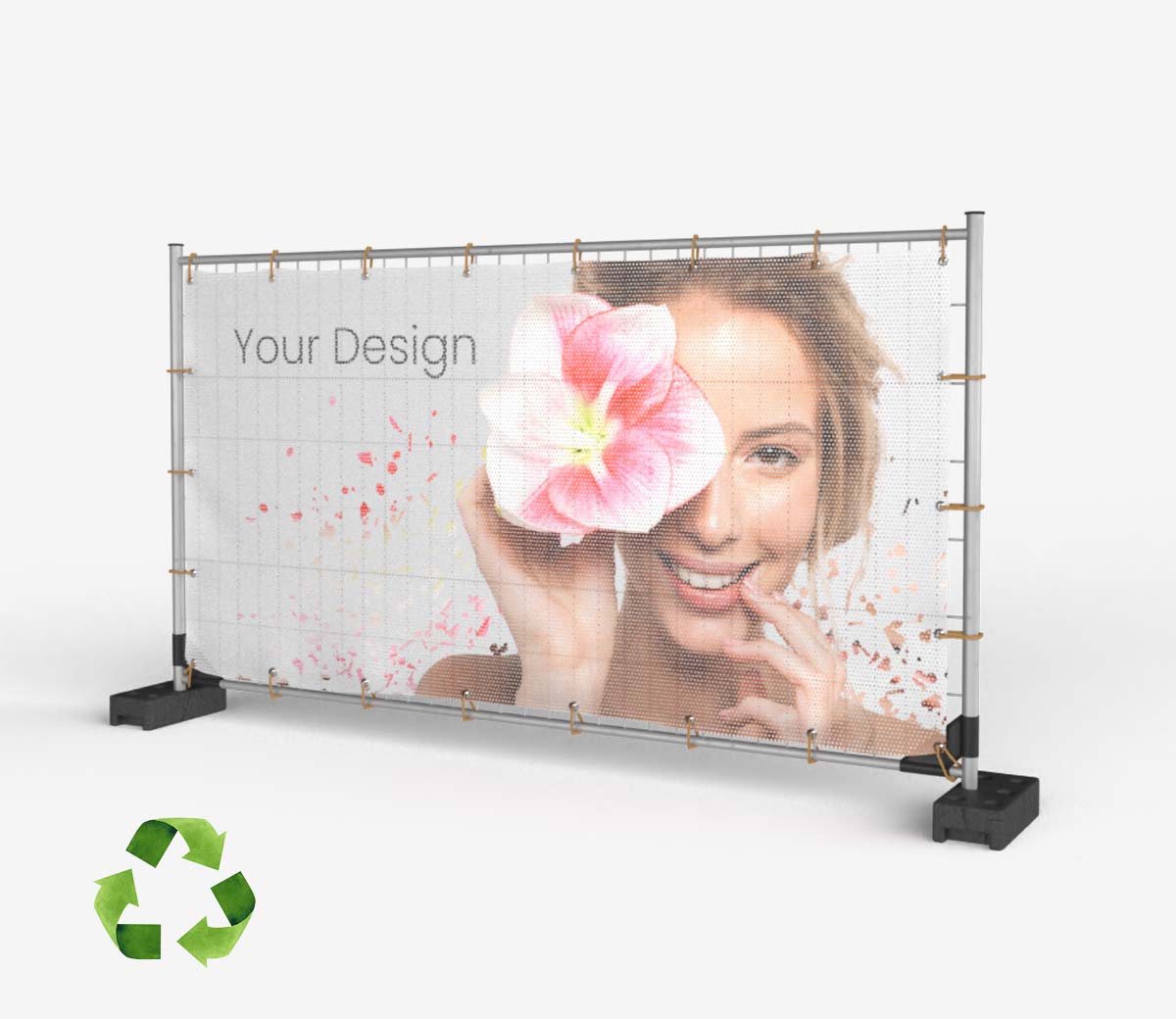
Mesh eco is a PVC-free 220 g/m² mesh material for printed banners used on fences, scaffolding, façades and indoor advertising. Its perforated structure allows air to pass through, reducing wind load in large-format outdoor installations, while UV printing supports clear, consistent graphics. Choose it when you need a recyclable advertising mesh for campaigns where lower material weight, visibility and more responsible end-of-use handling matter.
| Intended use | for banners, indoor advertising, often used on buildings during renovation |
|---|---|
| Grammage | 220 g/m² |
| Printing technology | UV |
| Maximum material width | 3,20 m |
| Properties | no PVC additives, recyclable |

Price from: €10,07 /pcs


Mesh eco is a 220 g/m² advertising mesh designed for large-format banners in locations where wind load, material weight and end-of-use responsibility are important. It contains no PVC additives and is suitable for recycling after use, making it a more responsible alternative to standard advertising meshes for campaigns, events and corporate promotional communication.
What makes Mesh eco different?
The key feature of Mesh eco is its perforated structure. Air can pass through the material, which helps reduce pressure on the banner in windy environments. This is especially useful on fences, scaffolding and buildingfacades, where large printed surfaces are exposed to changing weather conditions and must remain practical to install.
The lower weight of the mesh compared with full banner materials also reduces the load on supporting structures. For contractors, event organisers and renovation projects, this can make handling and mounting more convenient, particularly when the print covers a large area.
Printing technology and visual effect
Mesh eco is printed using UV technology. UV-cured inks create a uniform printed layer on the material surface, supporting good colour intensity, clear detail reproduction and consistent readability of the advertising message. The technology is suitable for both outdoor and indoor applications, depending on the requirements of the campaign and installation site.
Where does Mesh eco work best?
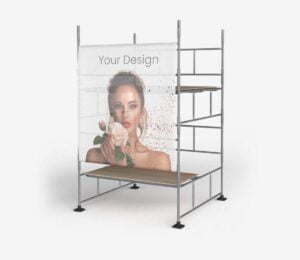
This material is commonly selected for banners installed on fences, scaffolding andfacades, including buildings undergoing renovation. It is also used for indoor advertising and event communication when a lighter, air-permeable material is preferred.
- for large-format banners exposed to wind,
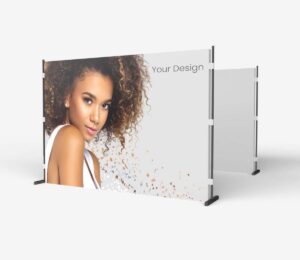
- for advertising on fences and temporary structures,
- for scaffolding and renovation-site communication,
- for campaigns where recyclability and no PVC additives are important,
- for indoor and event displays requiring a mesh material.
How to choose Mesh eco for a project?
Choose Mesh eco when the installation area is large, the banner will be mounted in an exposed location, or the campaign brief requires a material with no PVC additives. The maximum material width is 3.20 m, which should be considered when planning the format, joins and final layout of the printed banner.
Practical planning for Mesh eco banners
Mesh eco is particularly useful when the printed surface has to be large but should not behave like a solid sail in the wind. The perforation helps air pass through the banner, so it is a practical choice for open fences, buildingfacades and scaffolding covers. In everyday purchasing language, this type of product may also be described as eco mesh, PVC-free mesh banner or recyclable advertising mesh, but Mesh eco remains the product name used for ordering.
When to choose Mesh eco instead of a standard banner?
For short- and medium-term advertising campaigns, events, renovation communication and public information displays, the choice of material should follow the installation conditions. A full banner material can provide a solid printed surface, but in windy or exposed places a mesh structure is often more practical. Mesh eco adds the benefit of no PVC additives and recyclability after use, which is important for organisations that want to reduce difficult-to-dispose campaign waste.
- Choose it for exposed outdoor locations where air permeability matters.
- Use it for scaffolding orfacade advertising where lower load is helpful.
- Consider it for campaigns with environmental procurement requirements.
- Plan it for fences and temporary event zones requiring visible communication.
File preparation and production notes
Prepare the artwork with the final installation size in mind. Large-format mesh is usually viewed from a distance, so the design should prioritise strong contrast, clear hierarchy and legible text. Avoid placing very small lettering or fine details as the main message, because the perforated structure can reduce the perceived sharpness of tiny elements when viewed up close.
Before production, confirm the required final format and the way the banner will be mounted. If the project requires specific finishing, fixing points or joining of larger sections, this should be defined in the order and reflected in the file setup. The maximum material width of 3.20 m is important for planning larger displays, especially when a campaign layout needs to cover widefacades or long fence lines.
Typical mistakes to avoid
One common mistake is choosing mesh only because the print area is large, without checking the installation site. Mesh eco is best justified where air flow, lower weight or a PVC-free recyclable material brings a real advantage. Another issue is artwork with too many small elements. For banners mounted high or viewed from the street, simple composition, large typography and strong brand colours usually improve readability.
Mesh eco can be used indoors as well, especially for event advertising and temporary communication, but the same design rules apply: the message should be easy to understand at the expected viewing distance. This makes the material suitable for practical B2B projects where visibility, installation conditions and more responsible material choice all need to be balanced.