
Satin
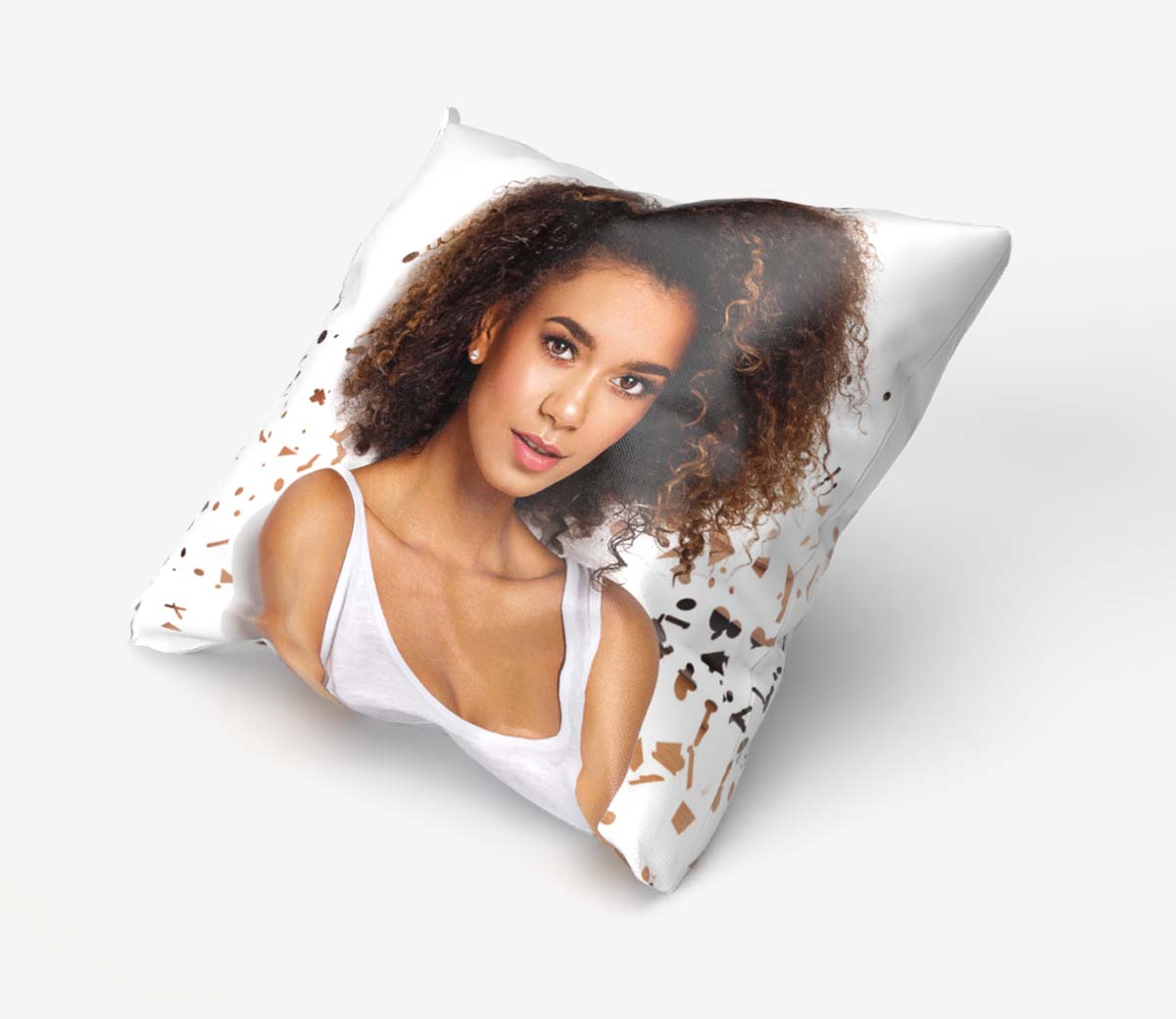
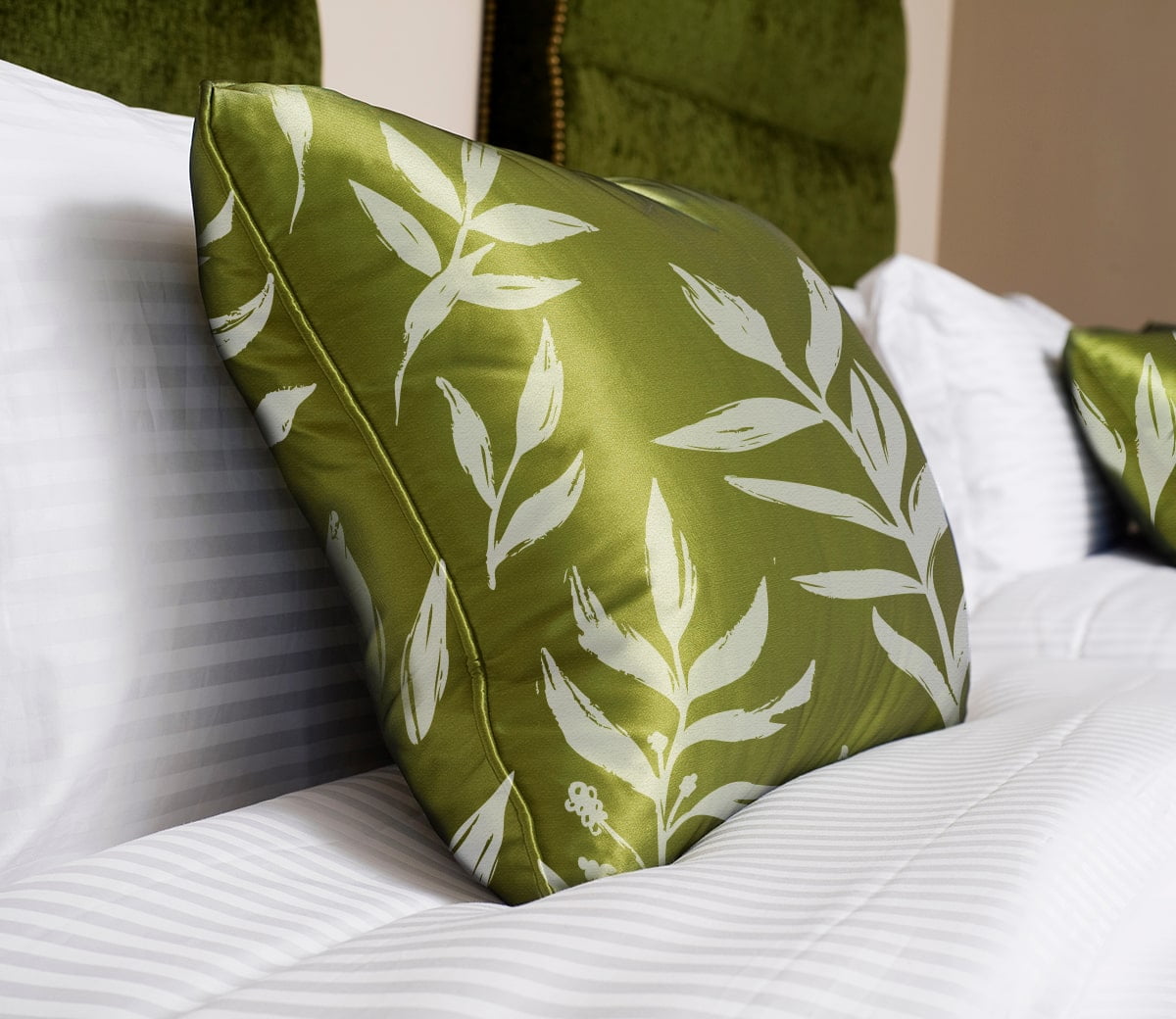
Satin is a glossy textile for decorative prints used in interiors, hospitality spaces and trade fair stands. Choose it when the print needs a subtle shine, saturated colours and an elegant finish on items such as cushion covers, tablecloths, curtains or Cube-X seat covers. The 140 g/m² fabric is printed using sublimation, can be washed and supports several textile finishing options.
| Grammage | 140 g/m² |
|---|---|
| Printing technology | Sublimation |
| Print resolution | 1200 dpi |
| Maximum material width | 3,15 m |
| Material attestation | B1 |
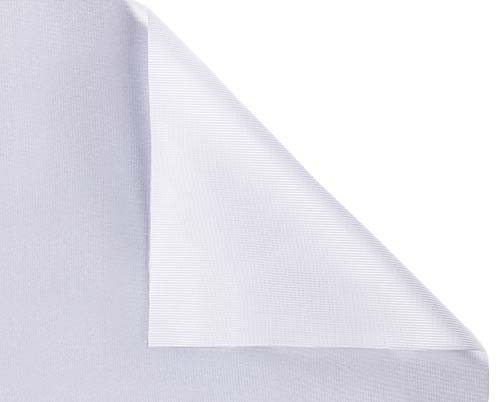
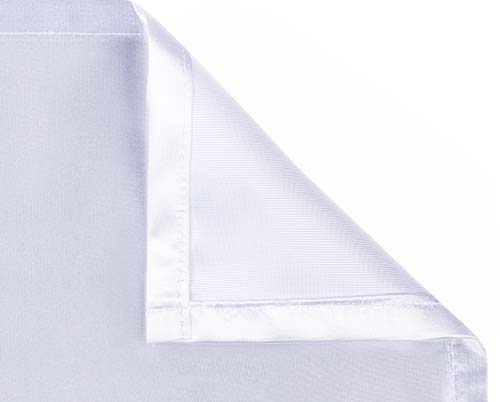
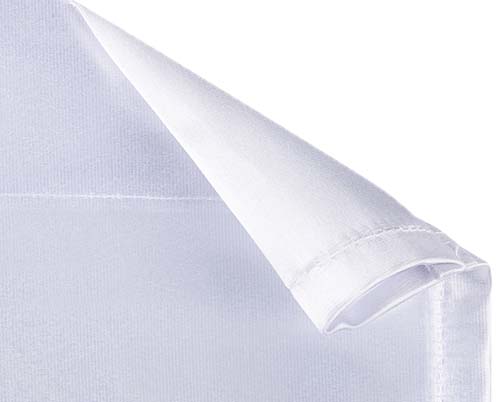
| Finish of material | cut to size, stitched edges, Tunnel |
| Properties | delicate, high gloss |

Price from: €7,52 /m2



Available finishes
Cut to size
Stitched edges
Tunnel Satin is a lightweight, high-gloss textile designed for printed decorative elements where appearance and colour intensity are important. Its smooth, shiny surface gives printed graphics a more refined character than matt display fabrics, which makes it suitable for interior design, branded furnishings and selected trade fair applications.
What makes Satin different?
The material has a weight of 140 g/m² and is the only fabric in this offer with a glossy finish. This makes it a practical choice when the visual effect of the fabric is part of the design concept. Sublimation printing supports saturated colours, smooth tonal transitions and clear reproduction of graphic details. The print resolution is 1200 dpi, helping logos, patterns and decorative artwork remain precise and visually consistent.
Satin is also washable, which is important for textile products that may be used repeatedly in hotels, cafés, service areas, showrooms or customer meeting points. Its delicate, high-gloss character should be considered when selecting the application and location of use.
Where is Satin used?
Satin is most often selected for decorative and promotional textiles that need a more elegant finish than standard matt fabrics. Common applications include:
- cushion covers and decorative textile accessories,
- Cube-X seat covers and branded soft furnishings,
- tablecloths for events, reception areas and hospitality interiors,
- curtains and textile elements for interior branding,
- stand furnishings that should attract attention without using rigid display materials.
Formats and finishing options
The maximum print size in one piece is 300 x 1000 cm, with a maximum material width of 3.15 m. For larger designs, separate fabric panels can be stitched together to create the complete graphic. Available finishing options include cut to size, stitched edges and Tunnel, so the material can be prepared for different textile applications and mounting methods.
When specifying Satin for a project, the main decision is not the choice of variant, but the intended use, viewing conditions and finish. The fabric is most effective where its gloss is intentional: decorative textiles, branded interior accessories, hospitality furnishings and selected trade fair stand elements. It is less suitable when a fully matt, non-reflective surface is required.
How to decide whether Satin is the right fabric
Satin works best when the print should combine textile softness with a more premium visual effect. The glossy surface enhances colour saturation and makes company colours, patterns and decorative designs stand out. Because the material is delicate and shiny, it should be chosen with the surroundings in mind. In strong directional light, the surface may reflect more than matt fabrics, which can be an advantage for decorative impact but not always for technical signage.
For projects where a matt finish is preferred, alternative textile materials from the offer, such as polyester 210, Samba or Textile Backlight, may be more appropriate. Satin should be selected when the gloss itself is part of the required result.
Choosing the finish
The finish should match how the textile will be used or mounted:
- Cut to size is suitable for simple textile components that will be further processed or placed in a defined area.
- Stitched edges help reinforce the perimeter and are useful for products handled repeatedly, such as tablecloths or covers.
- Tunnel is used when the fabric needs to be mounted on a rod or similar support.
If the planned format exceeds the maximum size printed in one piece, the design can be divided into panels and stitched together. In that case, it is worth considering seam placement already at the design stage, especially for patterns, logos and elements that need precise visual continuity.
File preparation and production tips
For best results, prepare artwork at the final size whenever possible and keep important logos or text away from stitch lines, tunnels and edge finishing areas. Large areas of colour and decorative patterns reproduce well with sublimation printing, but colour perception can be influenced by the glossy surface and the lighting in the final location.
Typical mistakes include choosing Satin only because it is a textile, without checking whether the shine fits the interior, or placing key details too close to the edge when stitched finishing is required. If the print is intended for a hotel, café, showroom or customer meeting zone, it is also useful to consider how often the textile will be handled and cleaned.
Terminology used by customers
In some projects, Satin may be described as printed satin fabric, glossy decorative fabric or satin textile printing. These terms can help define the visual expectation, but the product name and specification remain Satin with sublimation print and the finishing options listed for this material.