Airmesh
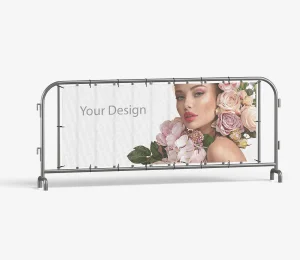
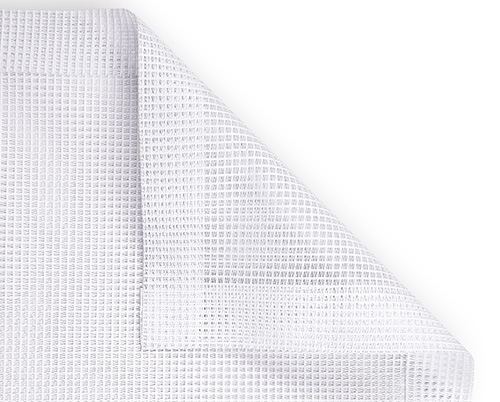
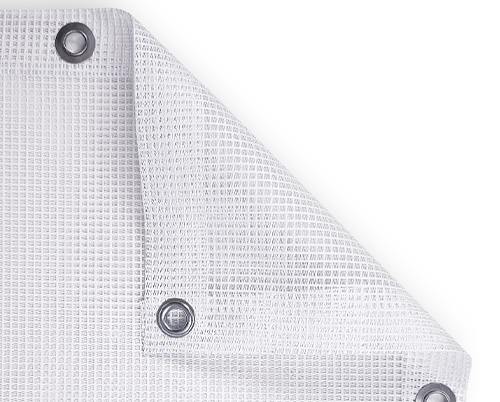
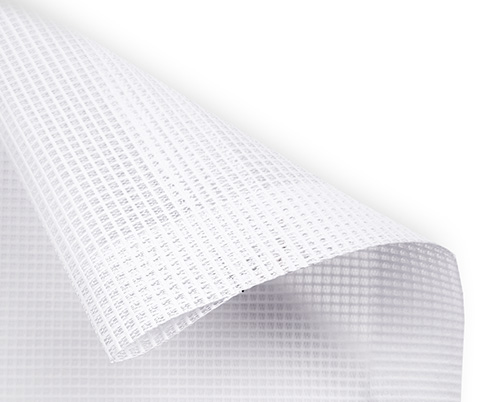
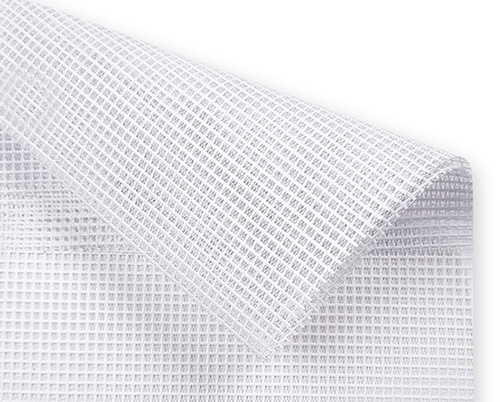
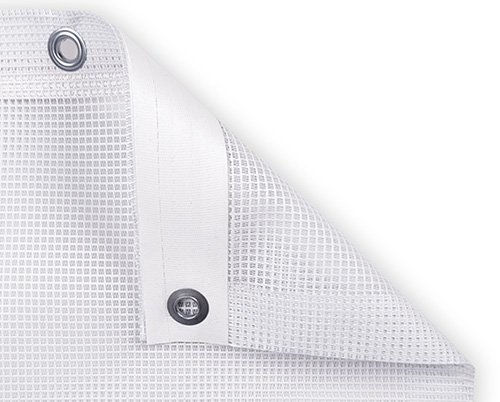
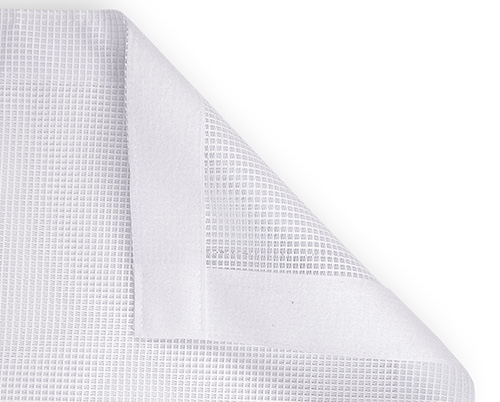
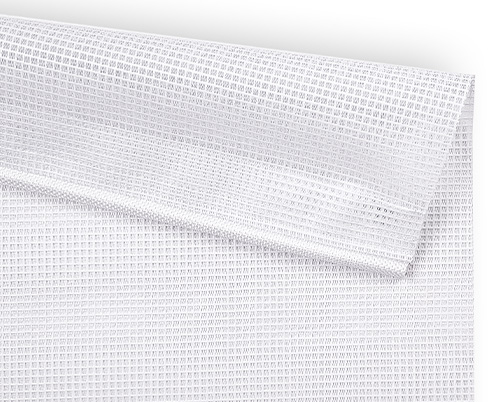
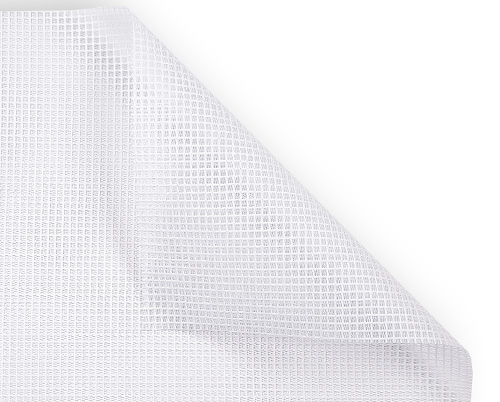
Airmesh is a lightweight, flexible banner mesh with a large open-mesh area, designed for display in locations particularly exposed to wind gusts, as well as for stage and speaker applications. Compared to classic mesh, it allows for better airflow, but the larger mesh openings also mean a smaller printable area. Therefore, it works best where airflow and a lightweight, open-weave material are priorities, rather than maximum visibility of the graphic.
| Grammage | 250 g/m² |
|---|---|
| Base fabric composition | PE, PVC |
| Printing technology | UV |
| Print resolution | 300 dpi |
| Maximum material width | 5,00 m |
| Material attestation | B1 |
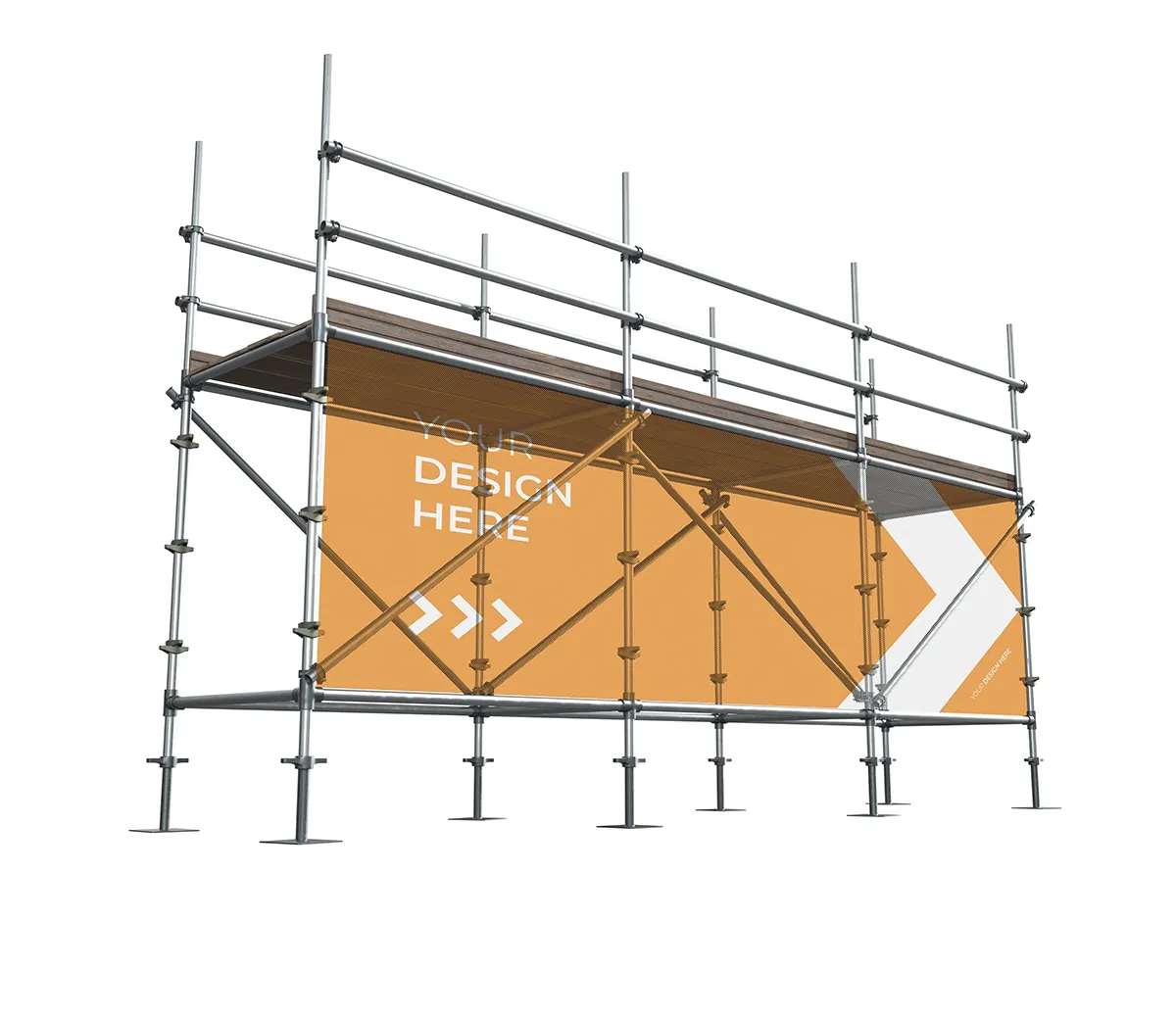
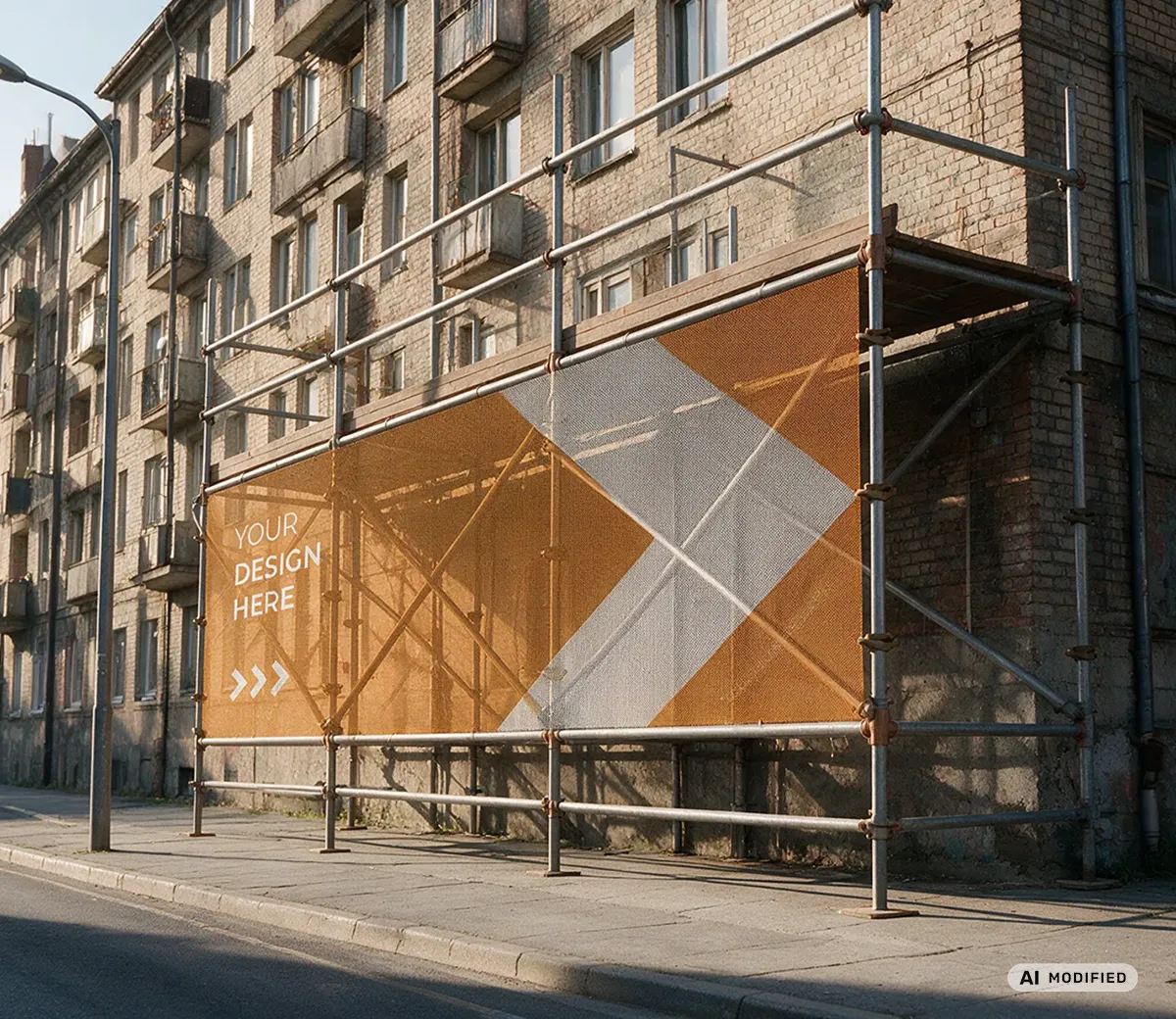
| Intended use | areas exposed to wind gusts, scaffolding, stage and loudspeaker applications |

Price from: €8,10 /pcs


Available finishes
Cutting to size
Keder
Velcro
Tape + eyelets
Tape
Tunnel
Sleeve tunnel
Welded seam + eyelets
Weld What is Airmesh?
Airmesh is a large-format printing mesh with a more open structure than classic Mesh banner fabric. The larger openings increase airflow through the material surface, while the 250 g/m² weight and greater flexibility make it suitable for applications where reducing wind load on the printed surface is important.
The material contains PVC and PE. Printing is carried out using UV technology at 300 dpi resolution, and the maximum material width is 5.00 m. Airmesh has a flame-retardant classification of B1 according to DIN 4102-1.
What is Airmesh used for?
Airmesh is primarily used where the print will be located in an area exposed to stronger gusts of wind or where a large open material surface is required. Thanks to the larger openings, air passes through the mesh more easily than through classic Mesh.
- displays on scaffolding and external structures exposed to wind,
- event and stage applications,
- covers for speaker structures and other applications where a large open mesh area is important,
- large advertising surfaces where air permeability is the priority.
When to choose Airmesh instead of classic Mesh?
Airmesh and classic Mesh banner fabric serve a similar function as perforated printing substrates, but address slightly different needs. Airmesh has larger openings, is lighter and more flexible, so it is worth considering when maximum air permeability is the priority.
Classic Mesh has smaller openings and a larger surface area for printing, making graphics more visible. If the priority is the legibility of the advertising message and the installation conditions do not require as large an open area as Airmesh provides, Mesh may be the better choice.
Printing on Airmesh – what to consider in the design?
The larger open mesh area affects not only airflow but also how the print is perceived. Compared to classic Mesh, part of the Airmesh surface does not carry graphics, so the design should be prepared with viewing from a greater distance in mind.
Clear compositions, strong contrasts, larger lettering and graphic elements that do not rely on very fine details work best. When choosing between Airmesh and Mesh, it is worth considering both wind conditions and the expected visibility of the graphics.
Airmesh as a speaker and stage mesh
The large open mesh area and high air permeability mean that Airmesh can be used as a speaker or stage mesh. It allows the printed surface to be used to conceal technical elements while maintaining an open material structure.
For projects where acoustic parameters are part of the technical specification, it is worth verifying requirements before production. Acoustic test reports are available for the material.
Airmesh finishing and installation method
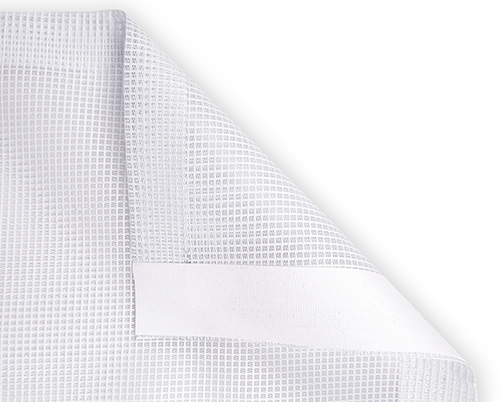
Airmesh can be produced in various finishing variants, so the processing method should be matched to the structure and planned installation. Available options include: cut to size, cut to size with eyelets, Velcro, keder, reinforcing tape, tunnel (sleeve), weld and weld with eyelets.
For outdoor applications, not only the material itself matters, but also the format, display location, fixing method and loads that may act on the entire structure. The choice of finishing should therefore be treated as part of planning the final installation.