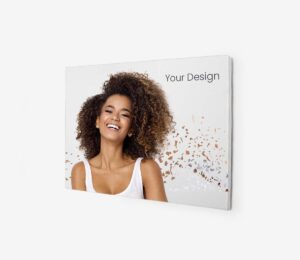
Samba printing
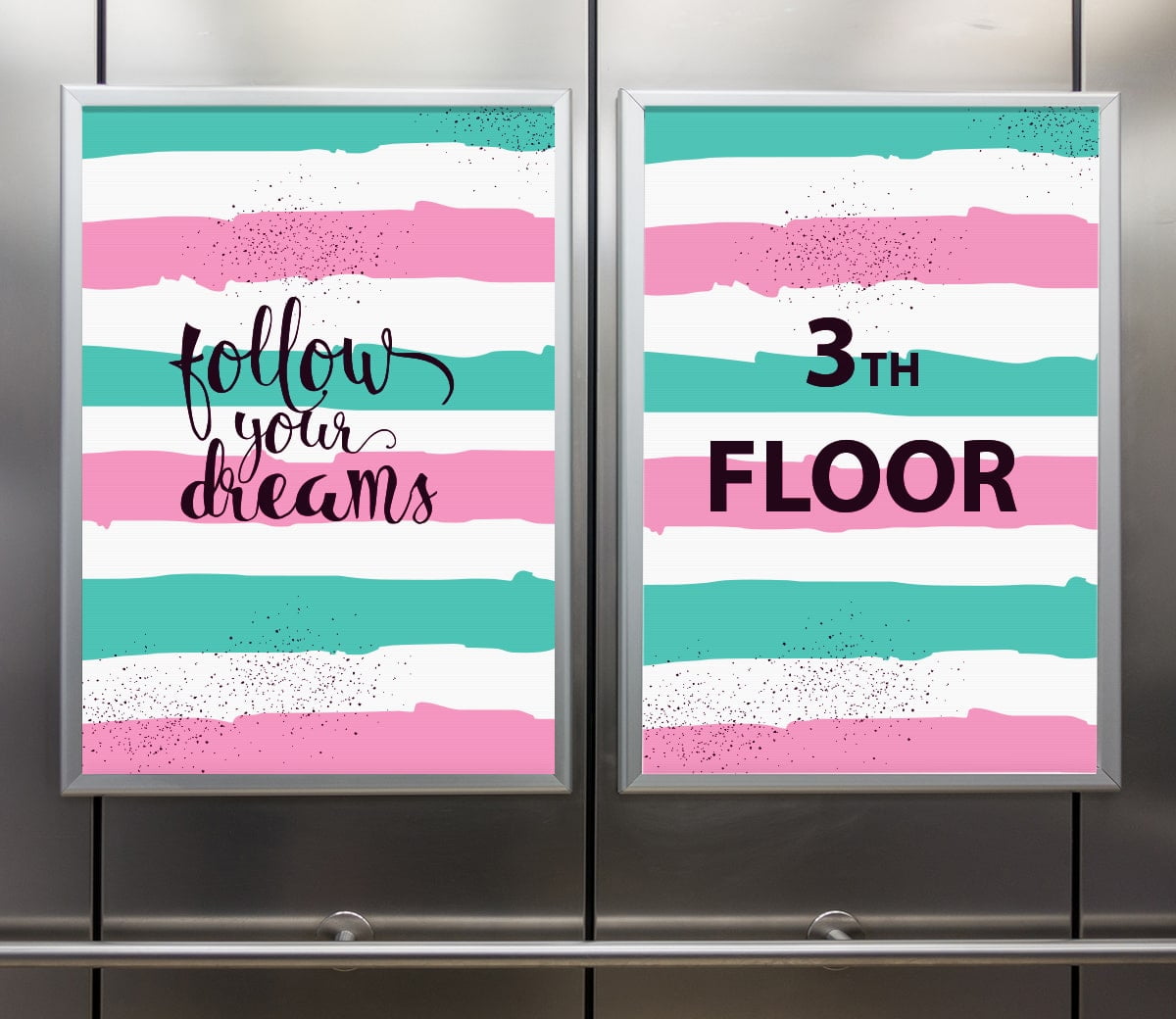
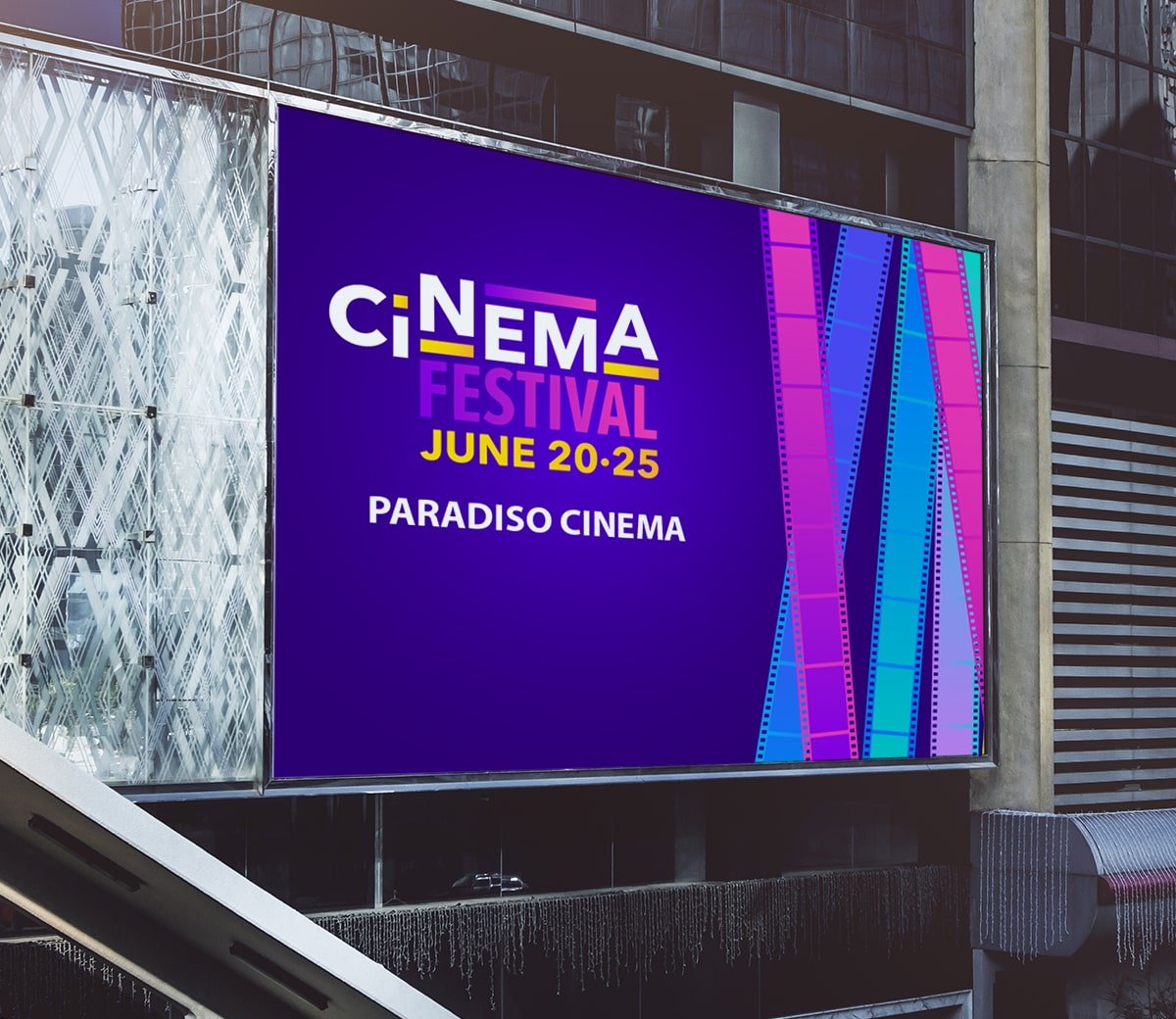
Samba is a 195 g/m² polyester textile for backlit tensioning systems, ZEN aluminium frames, lightboxes and advertising displays. It is a practical choice when the print needs strong colour saturation, good detail and even light transmission in indoor or outdoor applications. The material is printed in UV technology at 1200 dpi and can be finished to match the mounting method, including cut-to-size, stitched edges or silicone keder.
| Intended use | Wall advertising in ZEN systems – for tensioning systems |
|---|---|
| Grammage | 195 g/m² |
| Printing technology | UV |
| Print resolution | 1200 dpi |
| Maximum material width | 5,00 m |
| Material attestation | B1 |
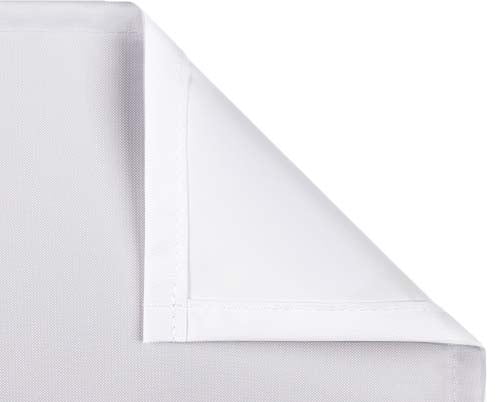
| Finish of material | cut to size, Silicone keder, stitched edges |
| Properties | for internal illumination, universal material |

Price from: €8,55 /m2



Available finishes
Cut to size
Stitched edges
Silicon strip  Custom
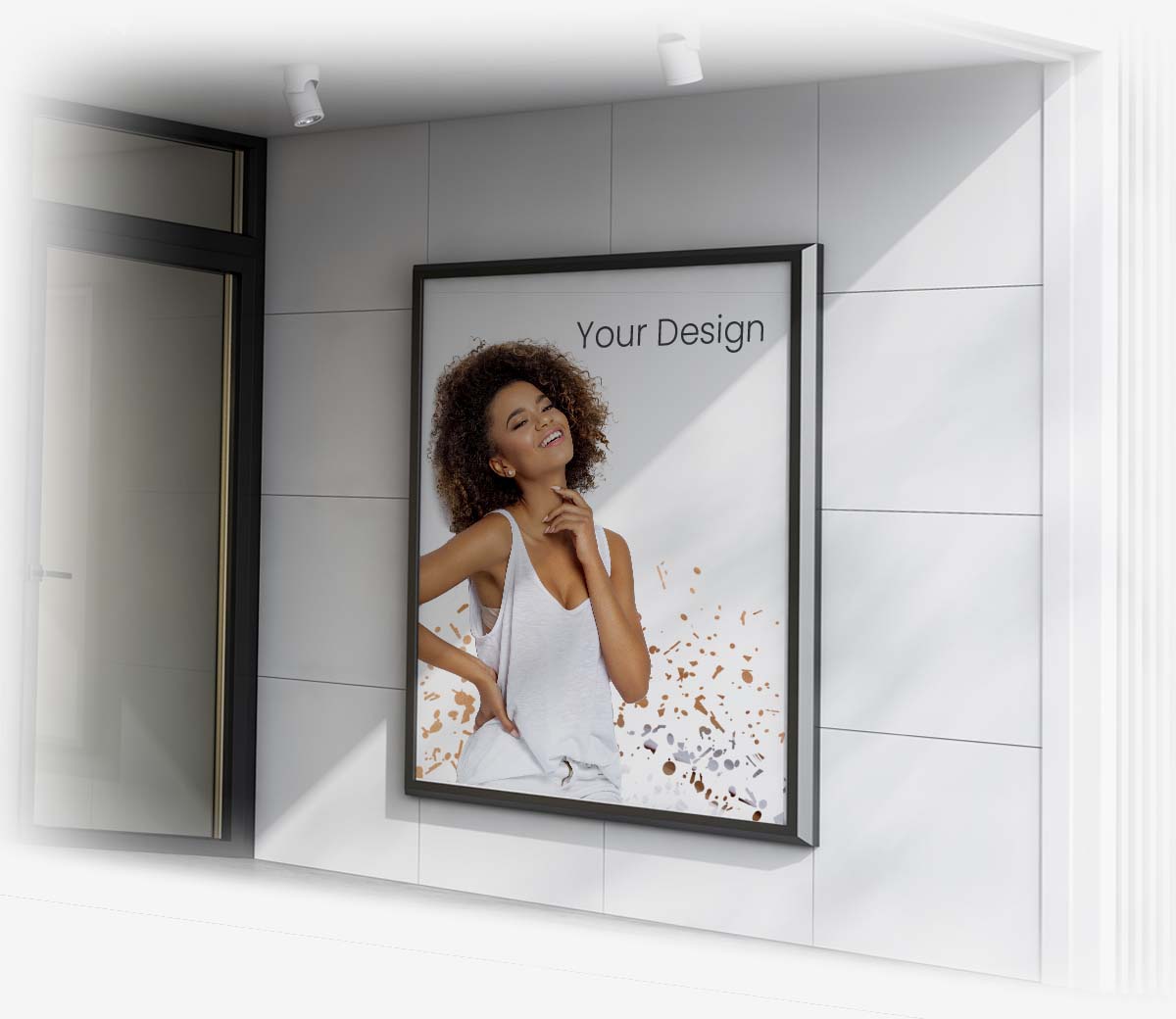
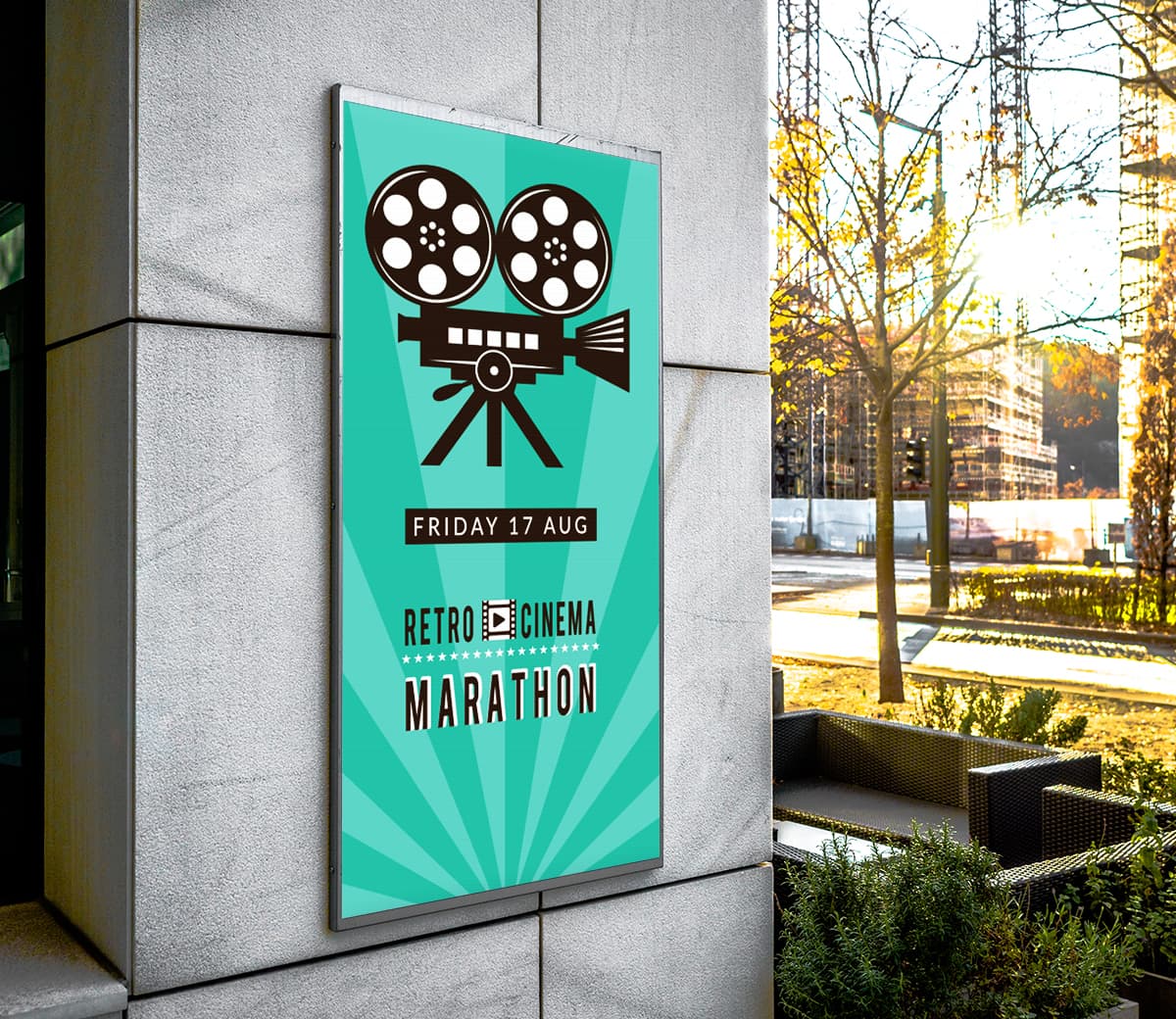
 Samba is a versatile polyester textile used mainly in backlit advertising systems and tensioned textile constructions. It is selected for projects where the print must remain clear, saturated and visually consistent when illuminated from behind. The material is suitable for indoor and outdoor use, including lightboxes, advertising boxes, banners, umbrella production and graphics mounted in ZEN-type aluminium frames.
What makes Samba suitable for illuminated displays?
The key advantage of Samba is its high light transmission, which makes it well suited to internal illumination. When used in lightboxes or tensioning systems, the textile helps present the printed design with strong colours and visible details. UV printing at 1200 dpi supports precise reproduction of advertising layouts, photographic motifs and brand graphics.
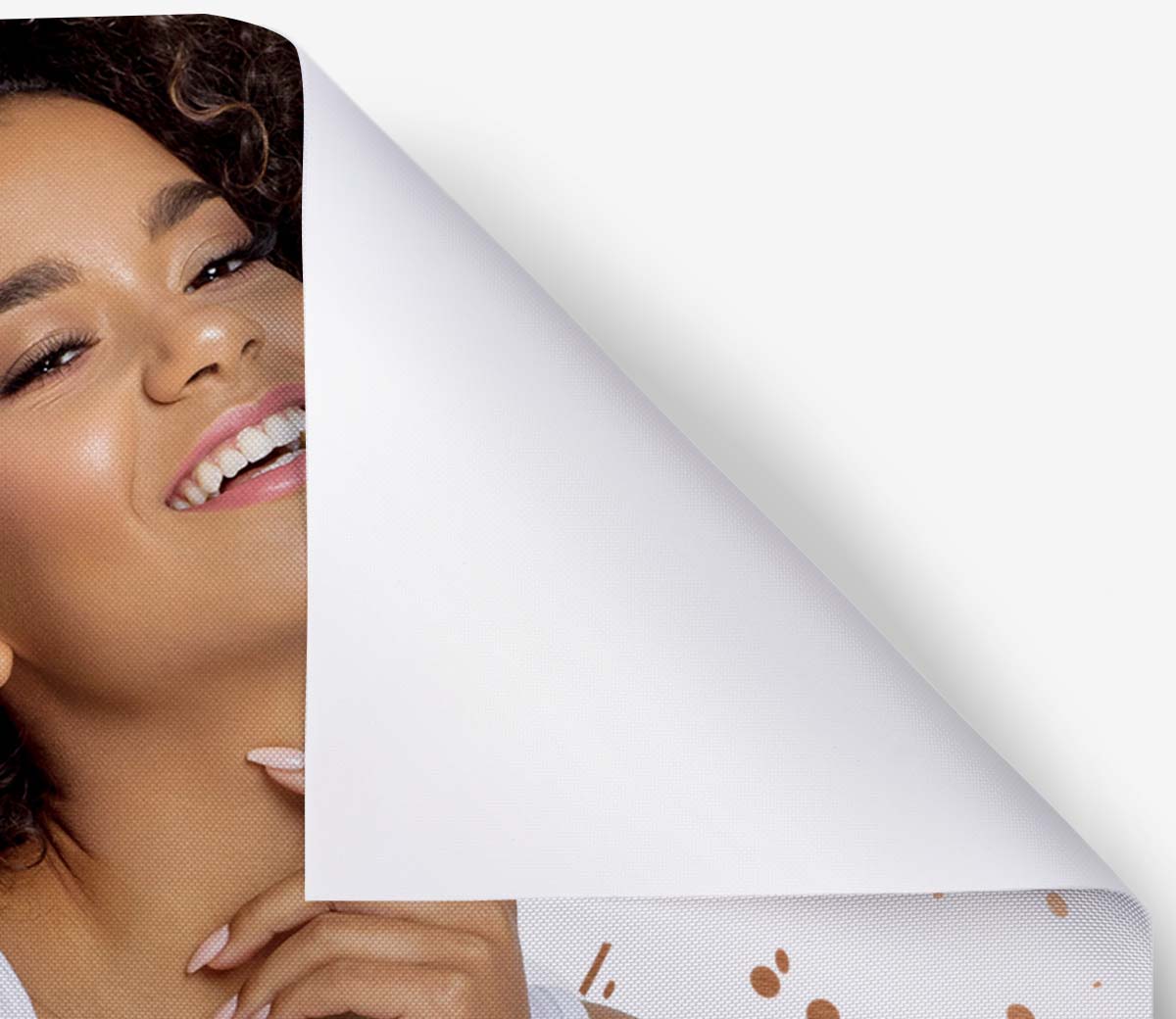
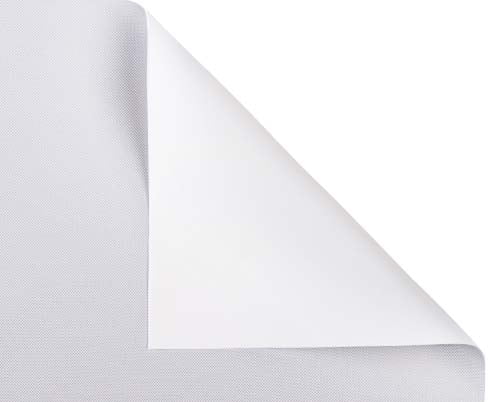
The fabric has a special UV-protective coating designed to help the print retain its appearance for longer. Its underside is finished with a thin rubber layer, which improves crease resistance and supports more stable handling during production, transport and installation.
Where is Samba used?
Samba works well in advertising and display applications where textile flexibility, illumination and a clean visual finish are important. It is used especially in:
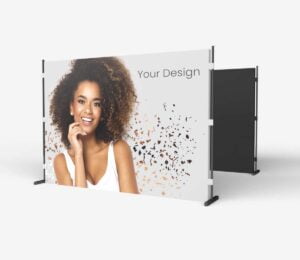
- backlit tensioning systems and ZEN aluminium frames,
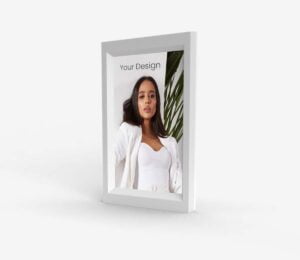
- lightboxes, including free-standing and public-space displays,
- advertising banners and decorative textile graphics,
- advertising boxes and selected outdoor promotional structures,
- umbrella production and applications requiring a versatile textile base.
How to choose the right finish?
The finish should match the way the textile will be installed. Cut-to-size is commonly used when the print is fitted into lightboxes or display structures. Silicone keder is recommended for graphics mounted in aluminium tension frames, because it helps achieve a neat, evenly tensioned surface. Stitched edges are useful when the application requires reinforced textile edges. Samba also has a B1 flame retardant certificate, which makes it suitable for trade fairs, conferences and events where certified materials are often required.
When specifying Samba for a project, the most important decision is not only the print size, but also the mounting system and expected use. The same material can be prepared differently for a lightbox, a ZEN frame, a banner-like textile display or an advertising structure. Matching the finishing method at the ordering stage helps avoid installation problems and supports a cleaner final result.
Practical selection guidelines
For backlit systems, Samba is chosen because it transmits light and supports high colour saturation under internal illumination. If the textile will be stretched in an aluminium frame, silicone keder is usually the most practical finish. It allows the printed textile to be inserted into the frame profile and tensioned evenly. For flat inserts, lightboxes or structures where the textile is held by another system, cut-to-size may be sufficient. Stitched edges are worth considering when the edges will be more exposed or require additional reinforcement.
- Choose silicone keder for ZEN-type frames and tensioned textile displays.
- Choose cut-to-size when the print is mounted as an insert in a lightbox or display system.
- Choose stitched edges when the application requires a stronger edge finish.
- Consider the maximum material width of 5.00 m when planning large-format layouts.
File and production notes
For illuminated graphics, file preparation has a direct impact on the final appearance. Designs with fine text, gradients or photographic content should be supplied in sufficient quality for large-format UV printing. It is also important to define the final visible size and the finishing method before production, because keder, stitching or cutting may affect how the edges of the artwork are prepared.
For backlit use, avoid placing essential text or logos too close to the edge unless the mounting method has been confirmed. In tension frames, part of the textile may sit within the profile or near the keder zone. For lightboxes, check whether the system requires a visible-format file or a production-format file with additional allowance. If the print will be used at a trade fair, event or conference, the B1 flame retardant certificate is an important purchasing criterion.
Typical applications and market terms
Samba is used in textile advertising, illuminated displays and decorative brand communication. Customers may also describe this type of product as a backlit textile, display fabric, lightbox textile or textile graphic for aluminium frames. These terms are useful when discussing the application, but Samba remains the product name for this material.
The product is a good option for B2B projects that require a lightweight textile surface, strong colour reproduction and compatibility with tensioned display systems. It is especially useful when the same visual identity must be applied across exhibition stands, retail displays, event spaces and illuminated advertising structures.